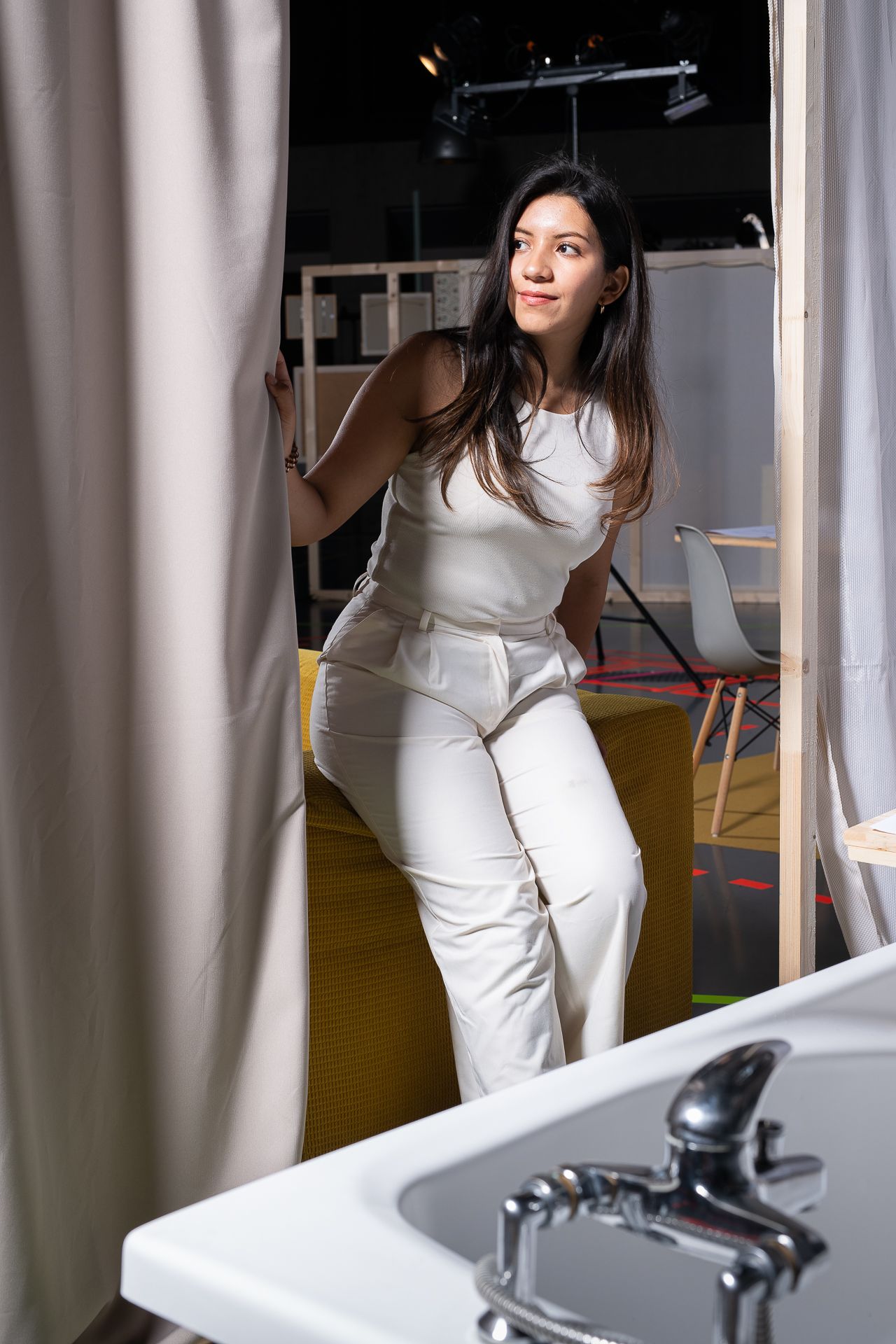
Ana Karina Zepeda Aranda is a Mexican architect and designer whose practice navigates the intersection between spatial design, light, and sound. Her professional journey reflects a deep interest in how sensory experiences shape our perception of space.
After completing her architectural studies in 2020, she joined Led Proyecta in Mexico City, contributing to projects such as the lighting design for the first Hasbro amusement park and natural sites like Las Estacas in Morelos. Ana Karina expanded her practice toward the auditory dimension of space, collaborating independently with restaurants including Lorea (Chef Oswaldo Olvera) and Zagala (Chef Bittor Sierra), creating sonic identities that enhanced the spatial atmosphere through curated music.
In 2025, she completed a Master’s degree in the MAIA program at HEAD – Genève. As part of her thesis, she created Sounds We Inhabit, a podcast featuring conversations with the Mexican architect Michel Rojkind and the Spanish architect Ana Mombiedro, offering diverse perspectives on how sound shapes the way we inhabit space. Her work has been presented at the Interior Ecologies symposium and in exhibitions such as Bap! 2025 and MMMAD Festival in Madrid.
Diploma Project
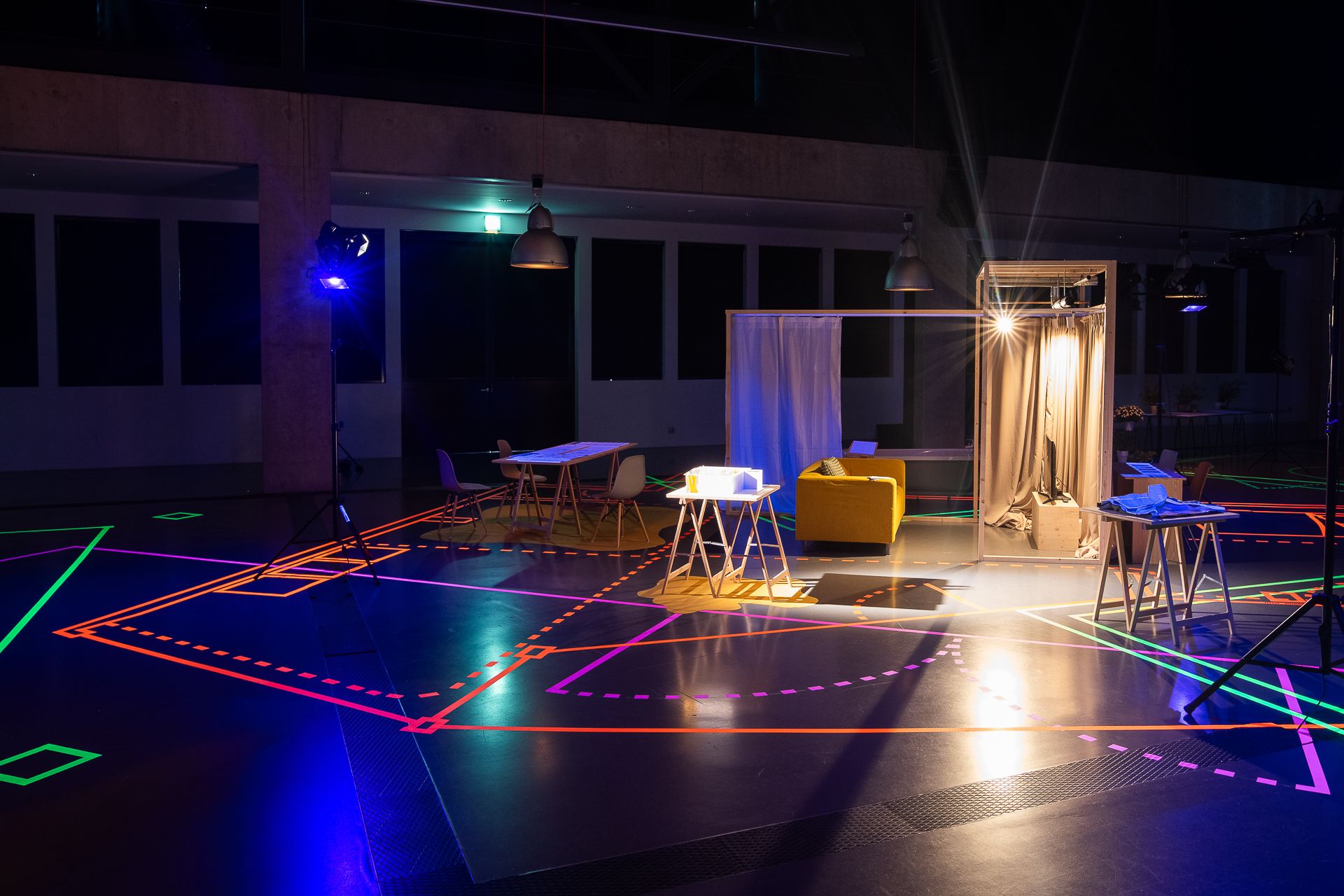
Into Drapes
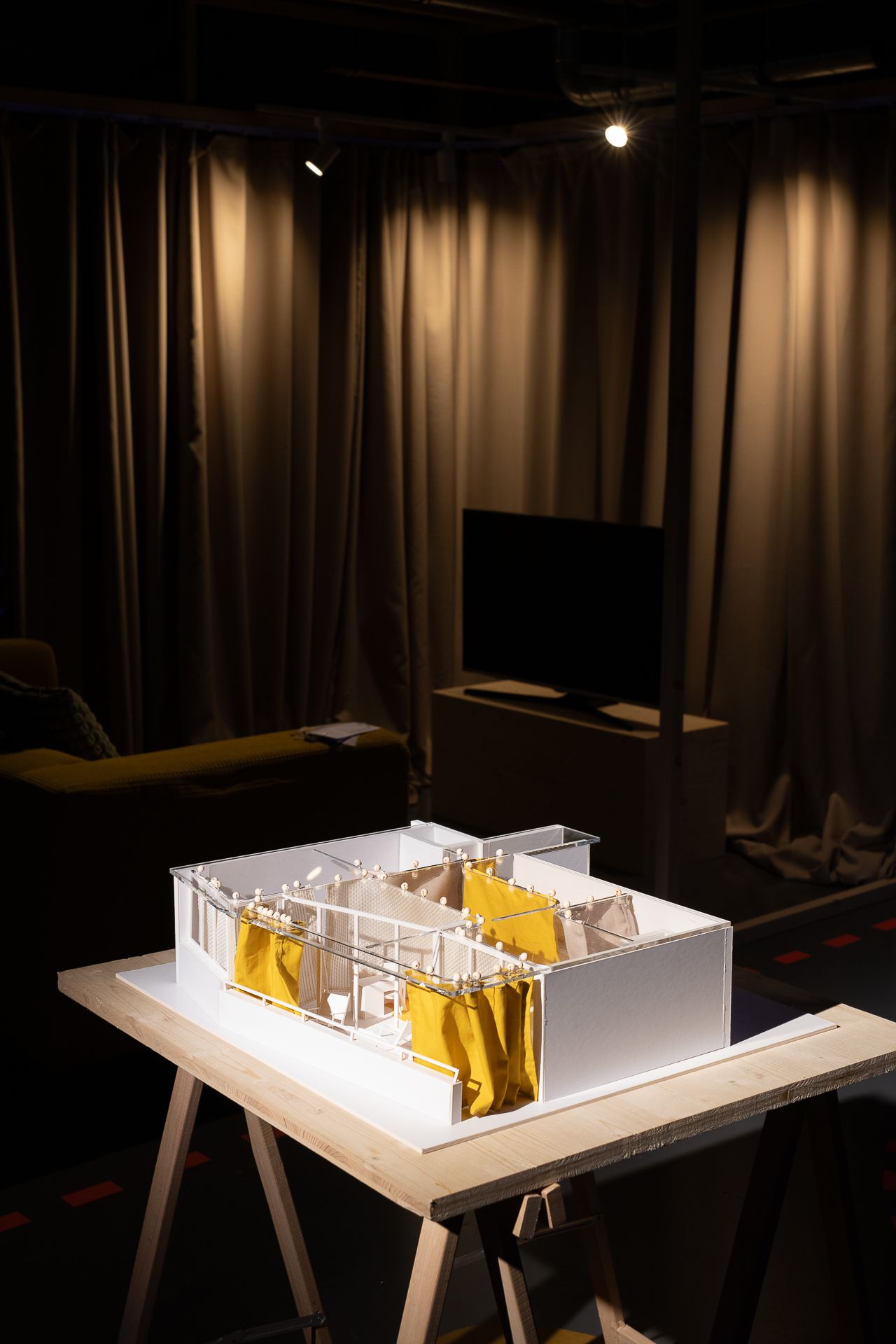
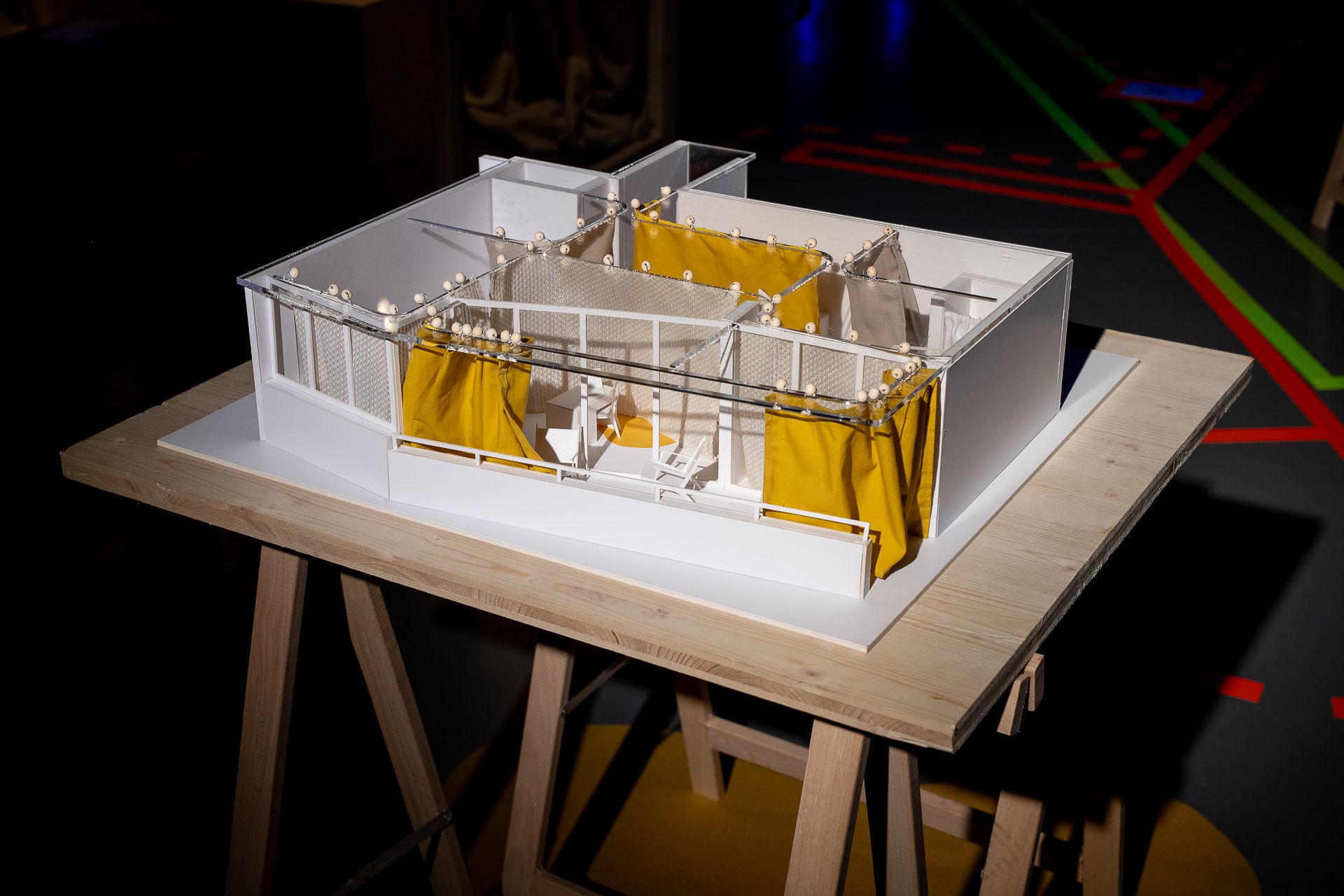
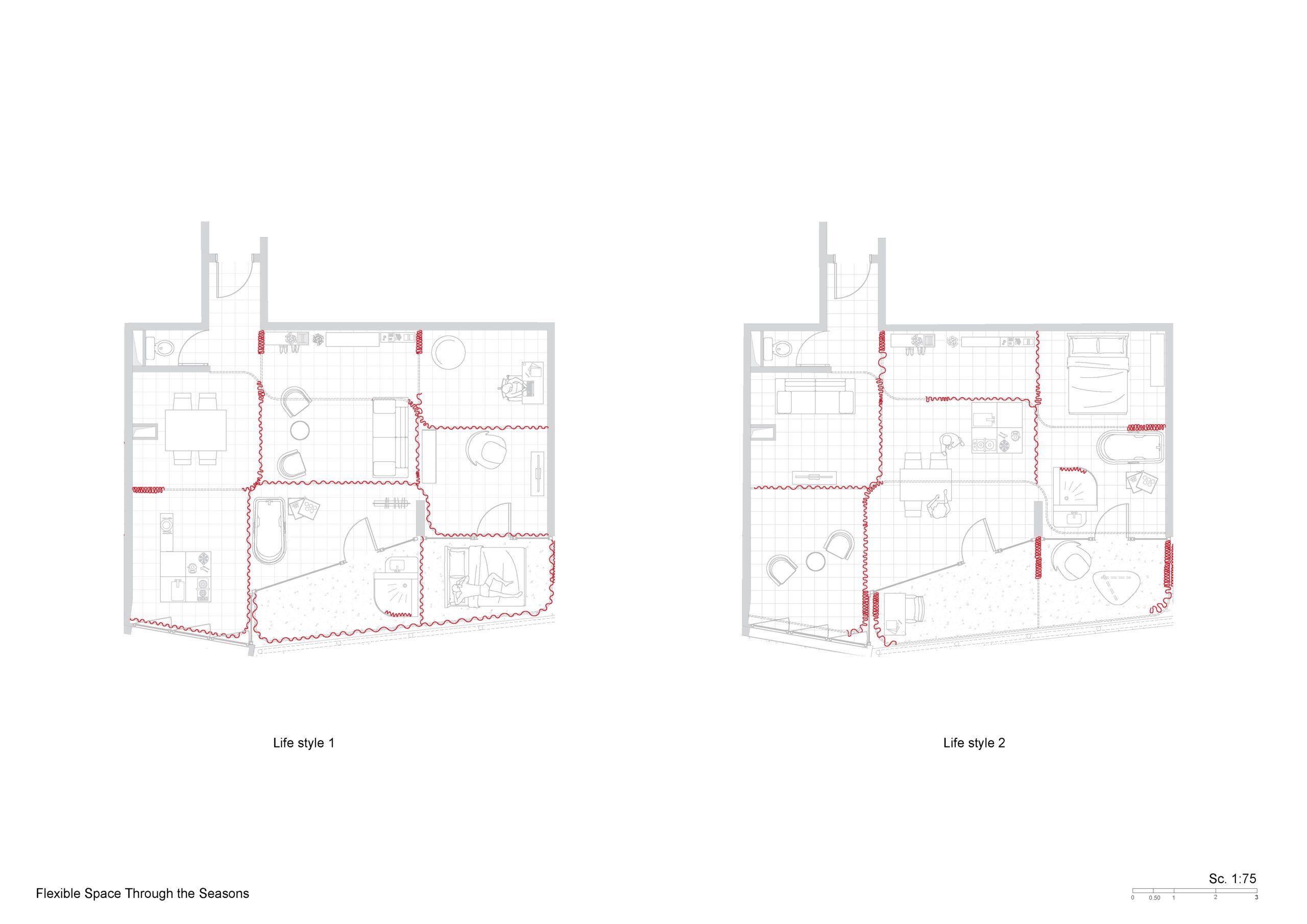
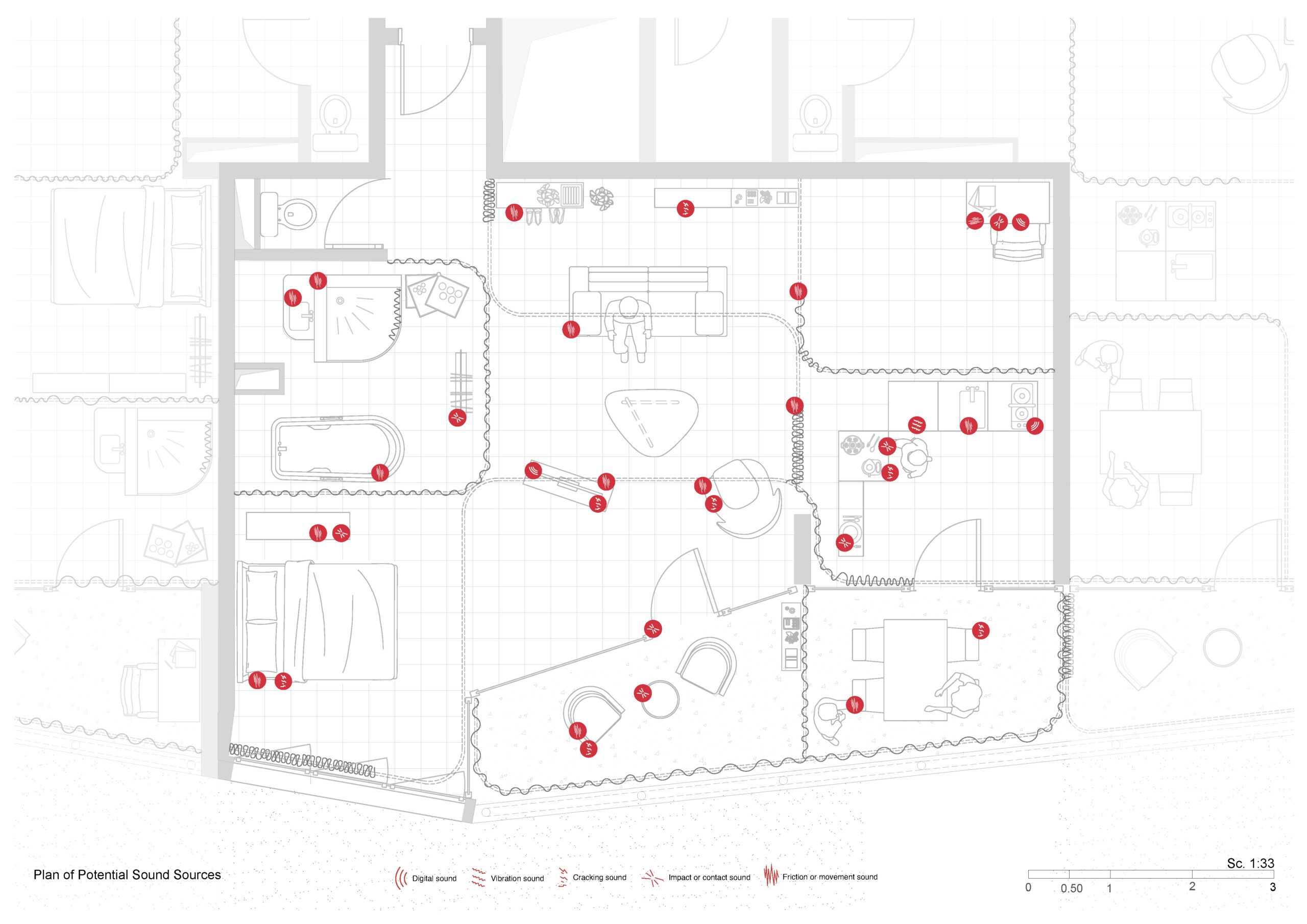
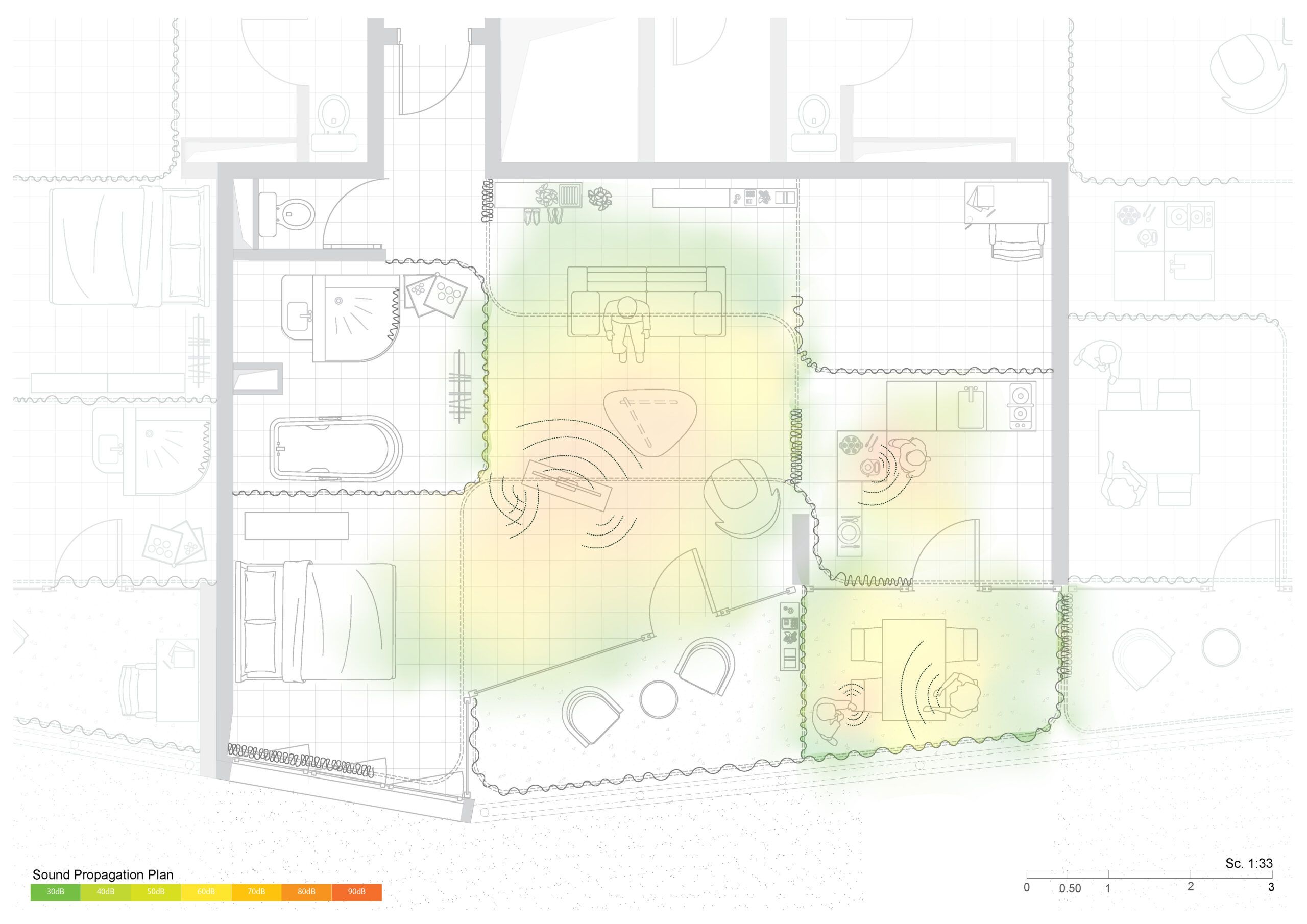
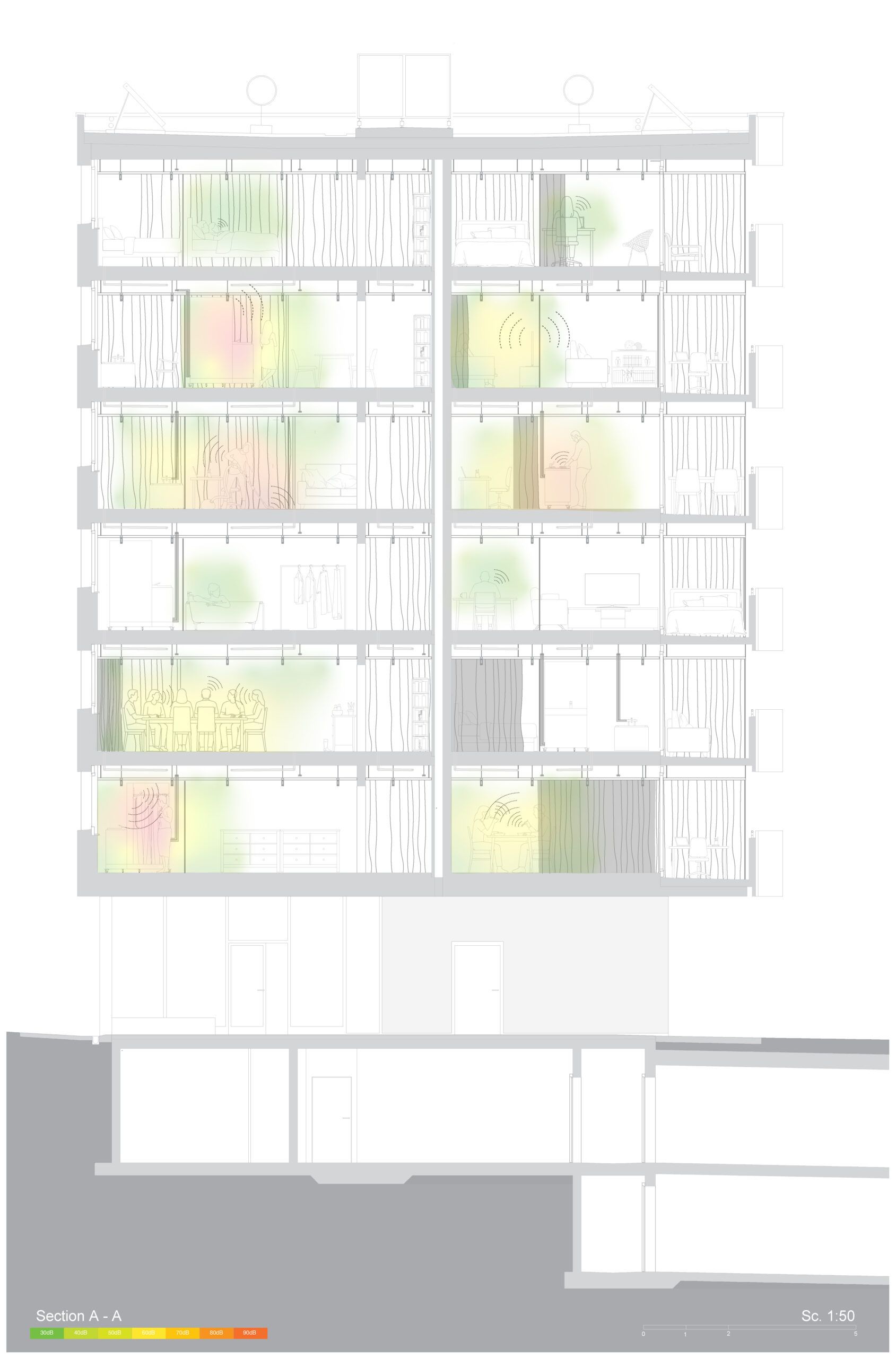
This project explores the auditory dimension of contemporary domestic spaces through a case study of social housing in Geneva. It analyzes how rigid partitions limit adaptability and ignore daily acoustic dynamics. In Switzerland, especially in social housing, the Regulation on Noise Protection (RNP) ensures acoustic comfort, but housing design rarely addresses these considerations architecturally.
As an alternative, this project proposes replacing interior walls with acoustic curtains, promoting spatial flexibility and improved sound management. This enables adaptable lifestyles that accommodate changing activities and evolving acoustic needs. The domestic environment can easily adjust: a bedroom may extend into the living area, or a workspace can gain temporary privacy without permanent enclosures. This fosters spatial transformations aligned with daily routines—expanding for communal activities or contracting to create intimate acoustic spaces—redefining domestic experiences.