Sofia Tapia Buchelli is a Mexican-Canadian interior architect and designer, currently exploring opportunities and collaborations in curation, scenography, and research. Her practice investigates the interplay between space and media, blending theoretical inquiry with immersive, experience-driven outcomes.
She began her academic journey with a Bachelor’s degree in Industrial Design in Canada, while simultaneously working as an academic researcher. Her graduation project—centered on preserving museum experiences during the pandemic—earned the Wim Gilles Memorial Award and was featured in ACIDO Rocket and the Global Grad Show. Following this, Sofia worked as an exhibition designer, contributing to a range of projects including tradeshow stands, architectural product displays, and retail environments for major brands. She then pursued the MAIA program at HEAD – Genève, spending a semester at the Royal Danish Academy in Copenhagen. During this time, she realized built projects in Geneva and contributed to international events such as the MMMAD Festival in Madrid and the Interior Ecologies online symposium, where she presented her thesis work, Impossible Memory Architectures.
Diploma Project
Synecdoche, Swiss Hotel
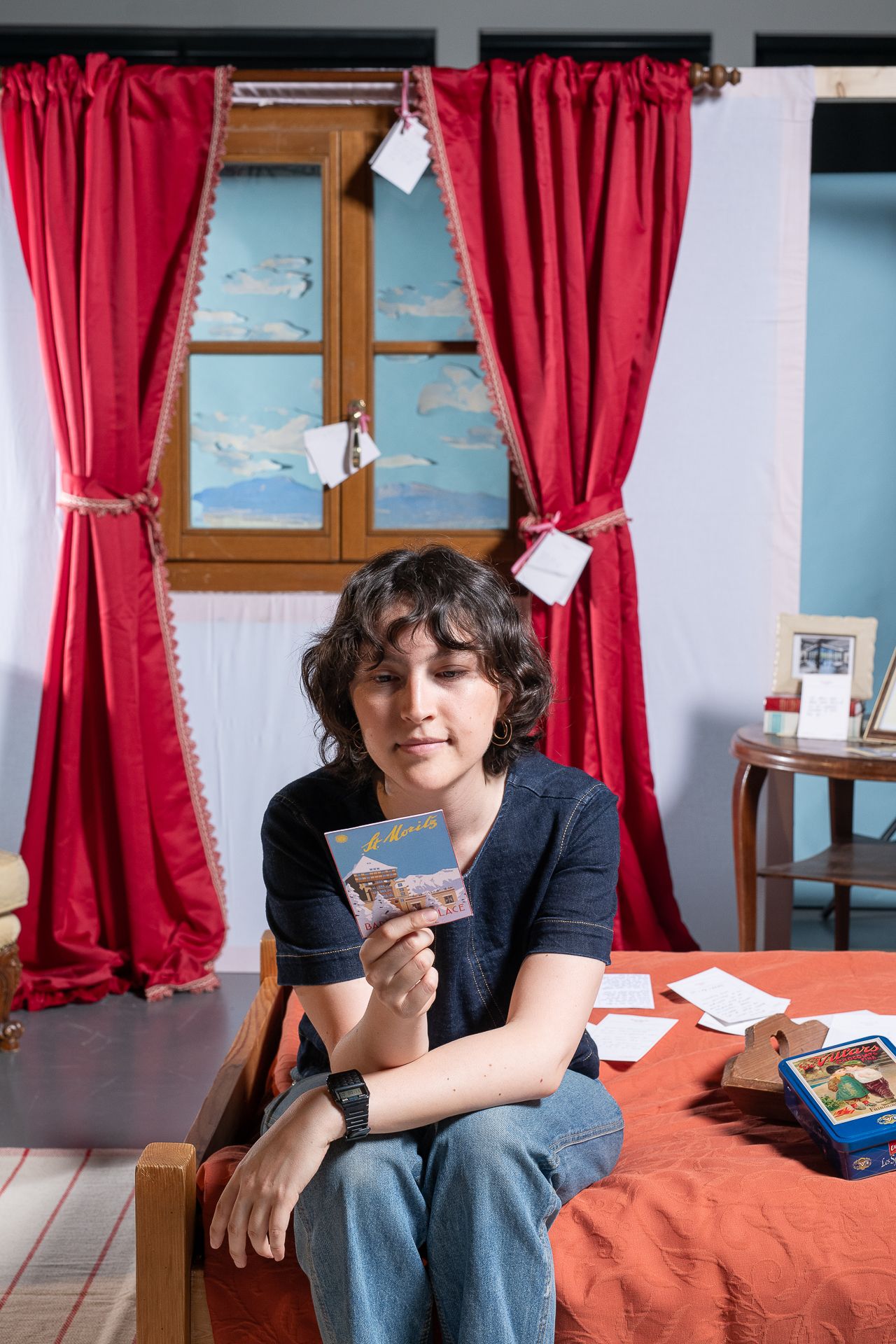
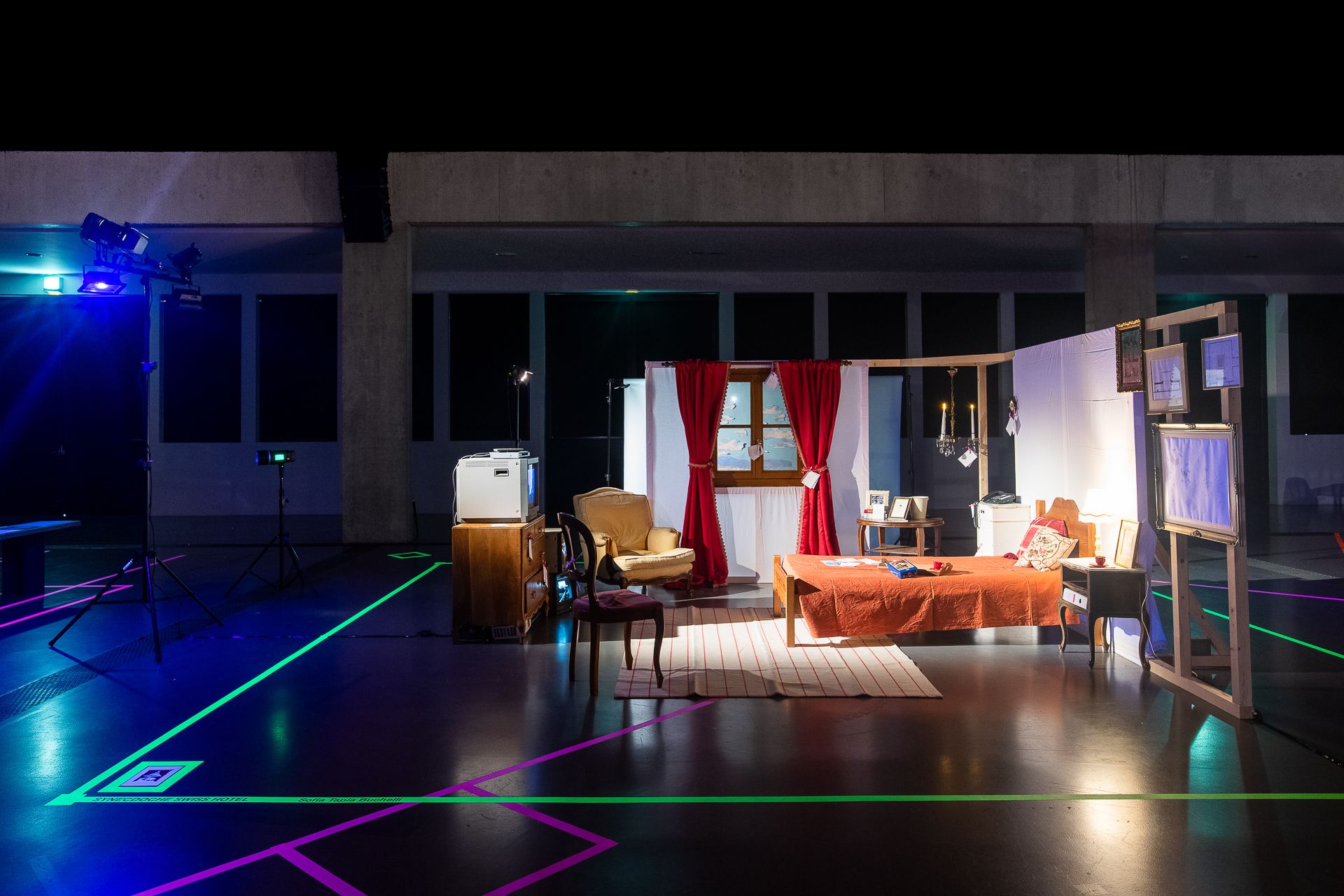
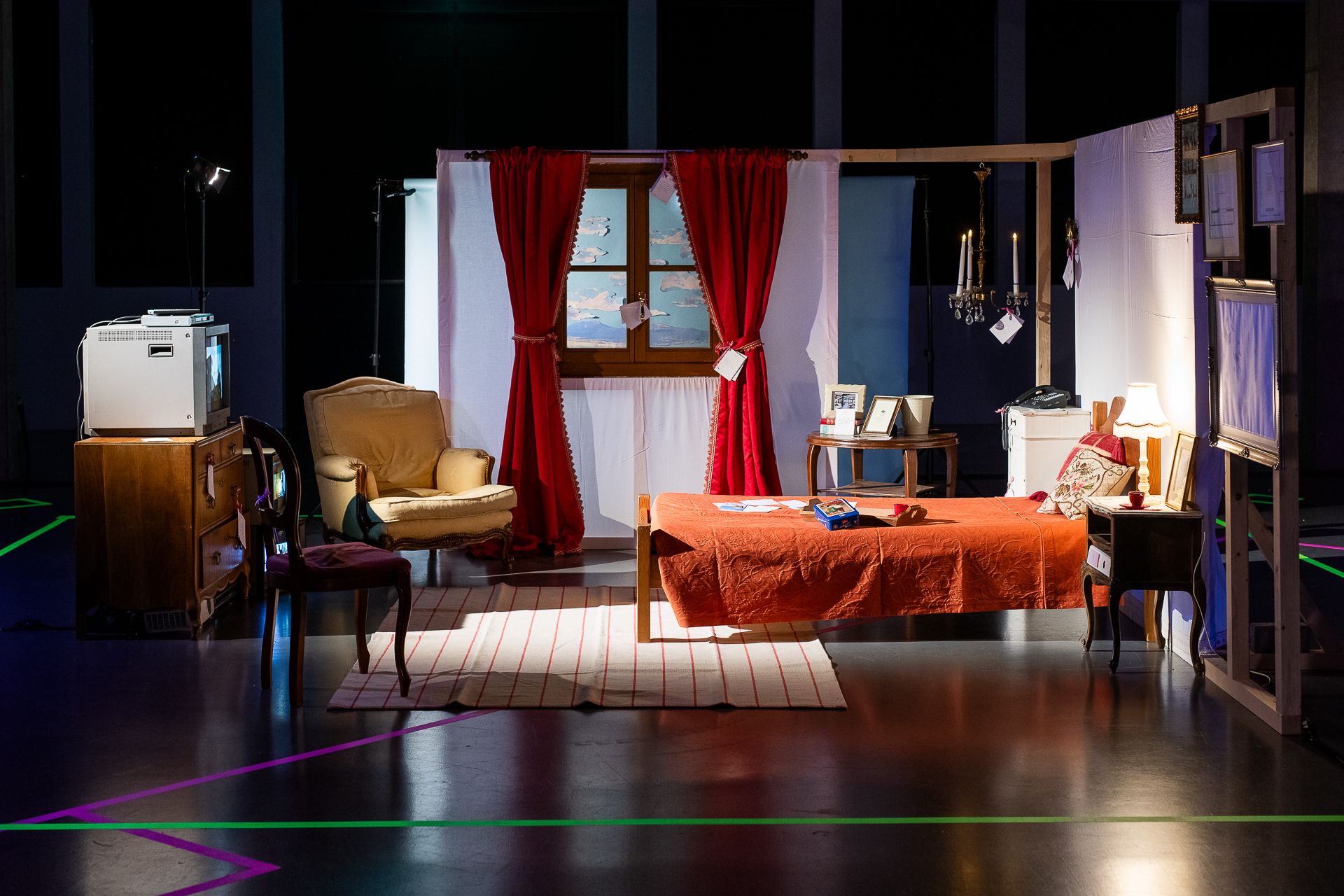
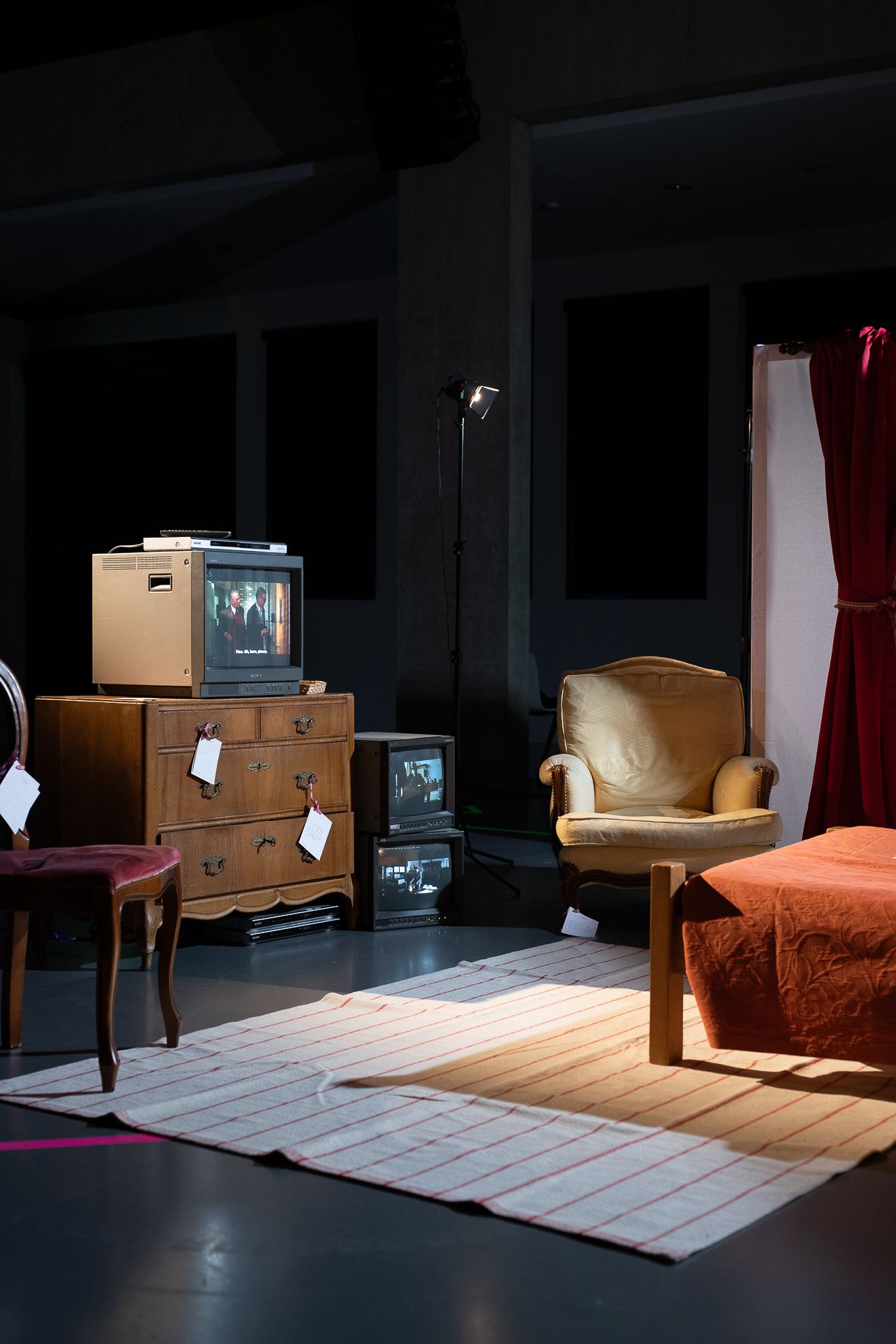
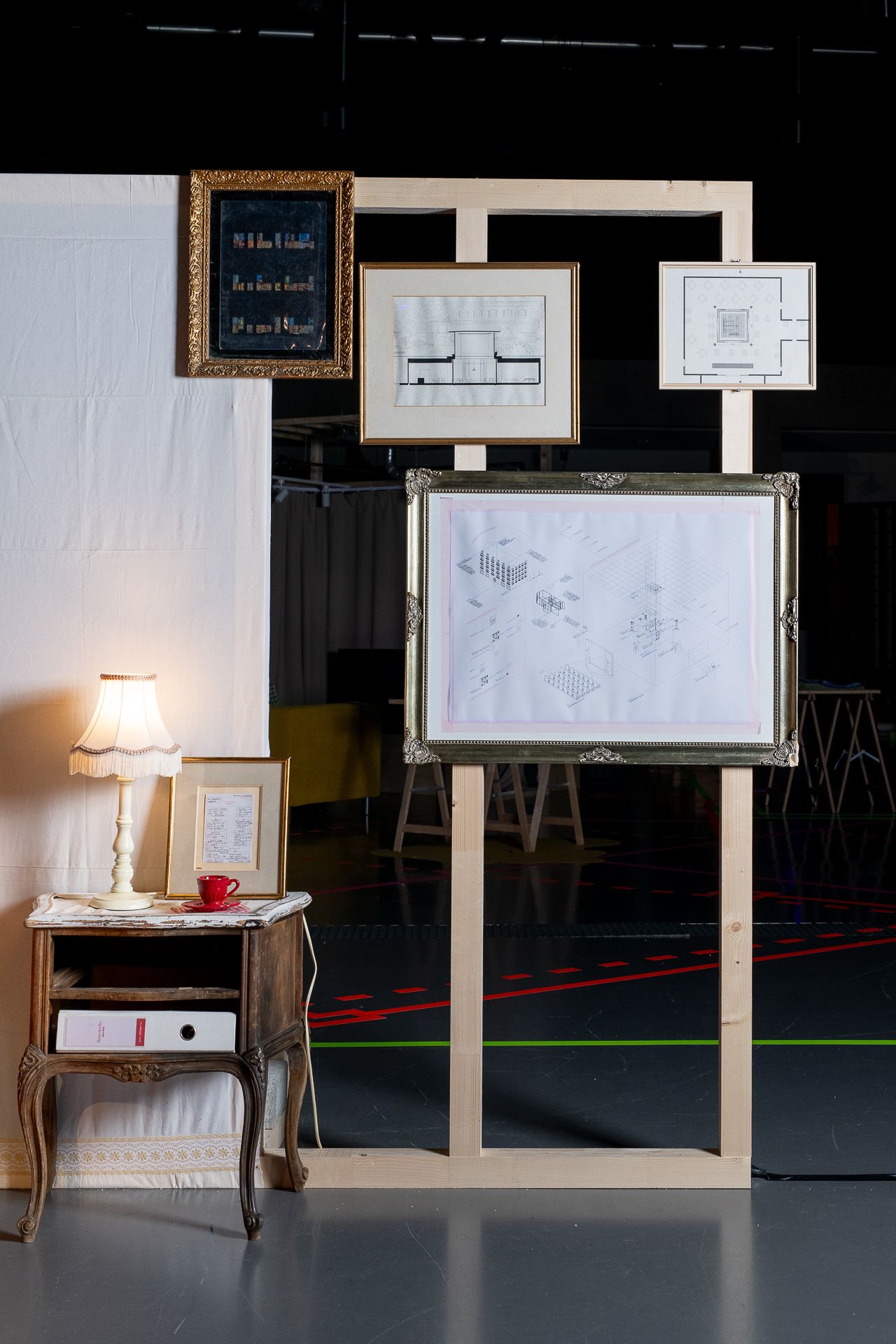
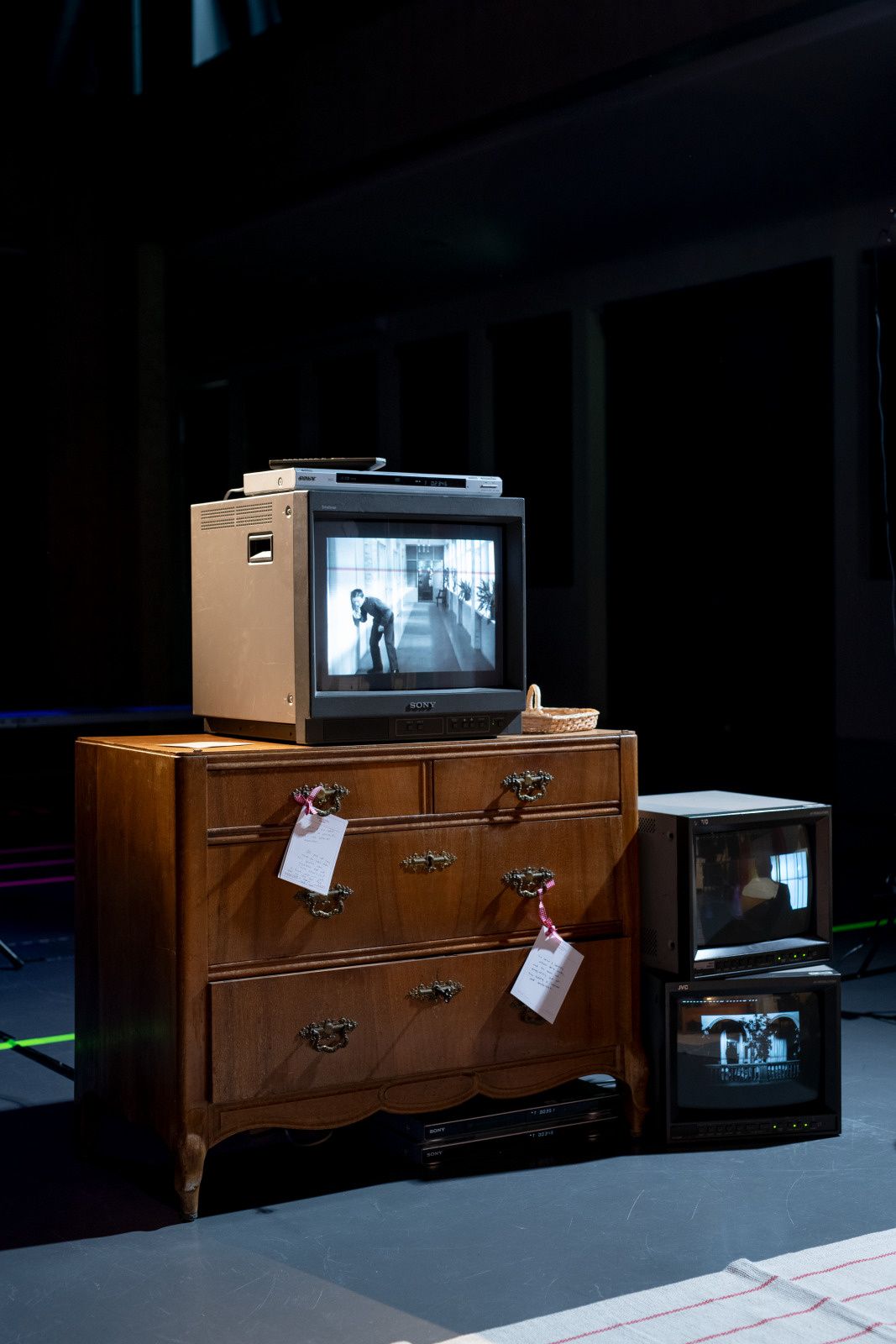
Synecdoche, Swiss Hotel is a fictional hotel room that portrays the architectural imaginary collectively constructed around it. Built on an amalgamation of varying histories from film tropes and online content, it challenges the promise hotels make to painstakingly erase any traces left by previous guests and investigates the architectural imaginary as a collective understanding of place, woven together through the stories we tell.
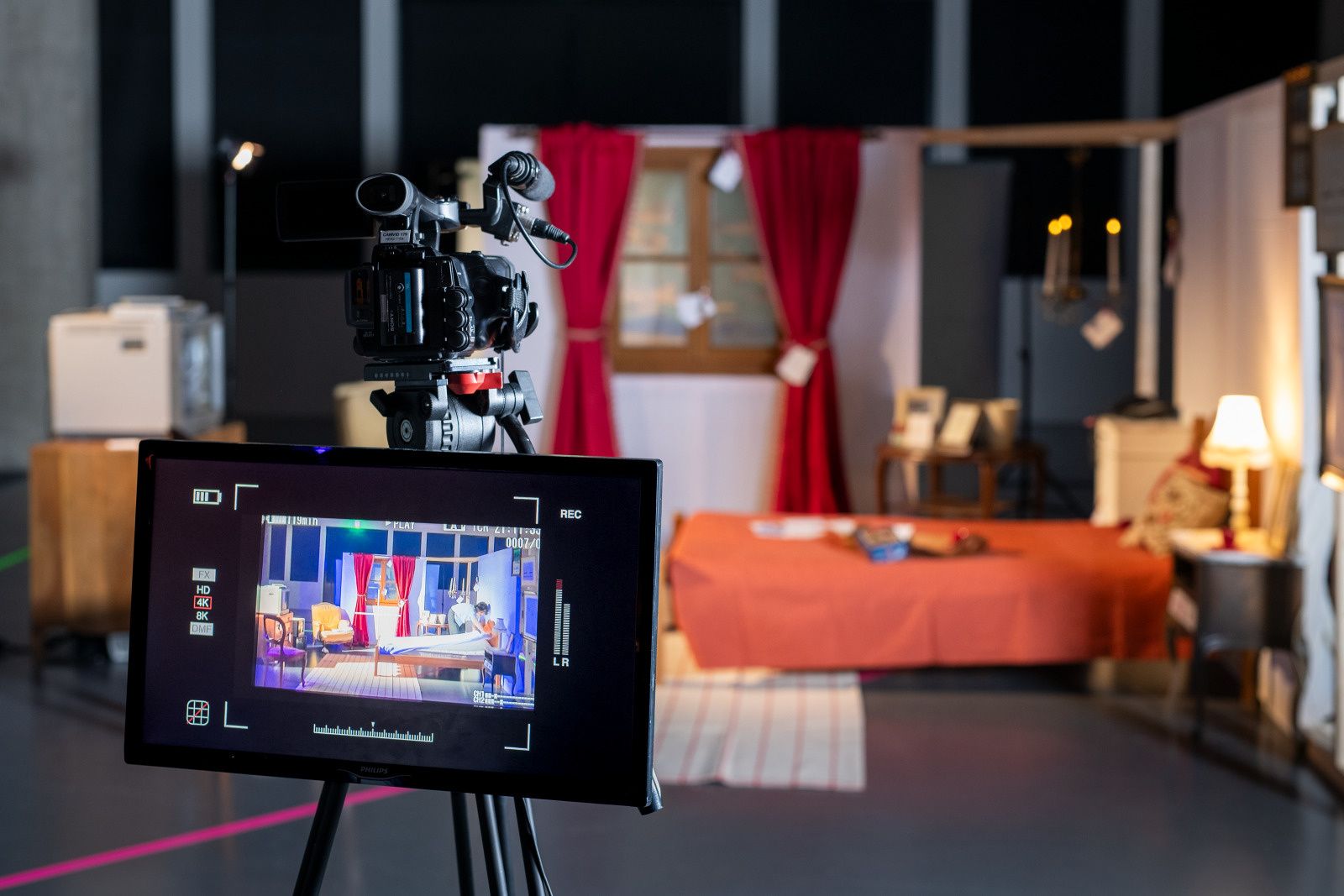
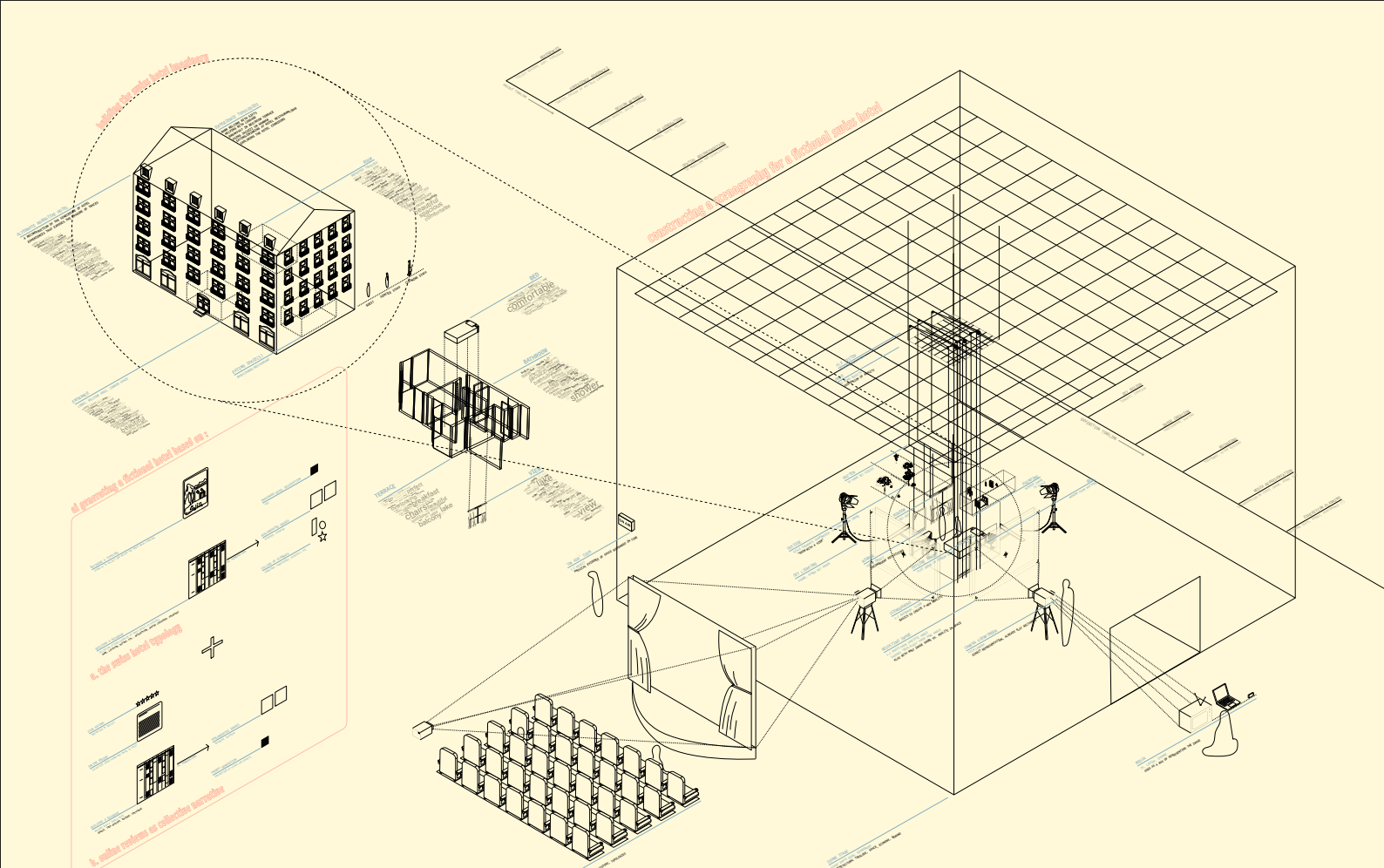
The project uses a database that collects online reviews and content surrounding the Swiss Hotel typology, as portrayed in cinema and tourism media. The hotel room operates like a theatrical stage mechanism, with pulleys and steel cables that bring elements in and out of view, composing scenes that expose the choreography between servers and served. The scenography constantly reinvents itself to fit the ever-changing architectural imaginary, existing in constant dialogue between the images we consume and all the layers that compose them.