A commodity, a marker of colonial power, a sign of wealth or status, a soft counterpoint to the germophobic modernist home. A commercial strategy to attract consumers, a metaphor for a broken relationship with our surroundings, a symbol of a domesticated planet, or of a lost Eden. An emblem of domesticity and care for the household, a representation of a forgotten – or imagined – relationship with the non-human world. An approximation of the garden one can’t afford to own, or would have no time to maintain.
Over the past five thousand years, indoor plants have covered a spectrum of roles and conveyed a contradictory variety of meanings. Within commercial or sacred spaces, from medicinal to decorative selections, cared for like important guests from a faraway land, or left in a corner, dusty and in need of attention, hosted in temples and corporate lobbies, in extravagant conservatories and tiny flats, plants have been our flatmates.
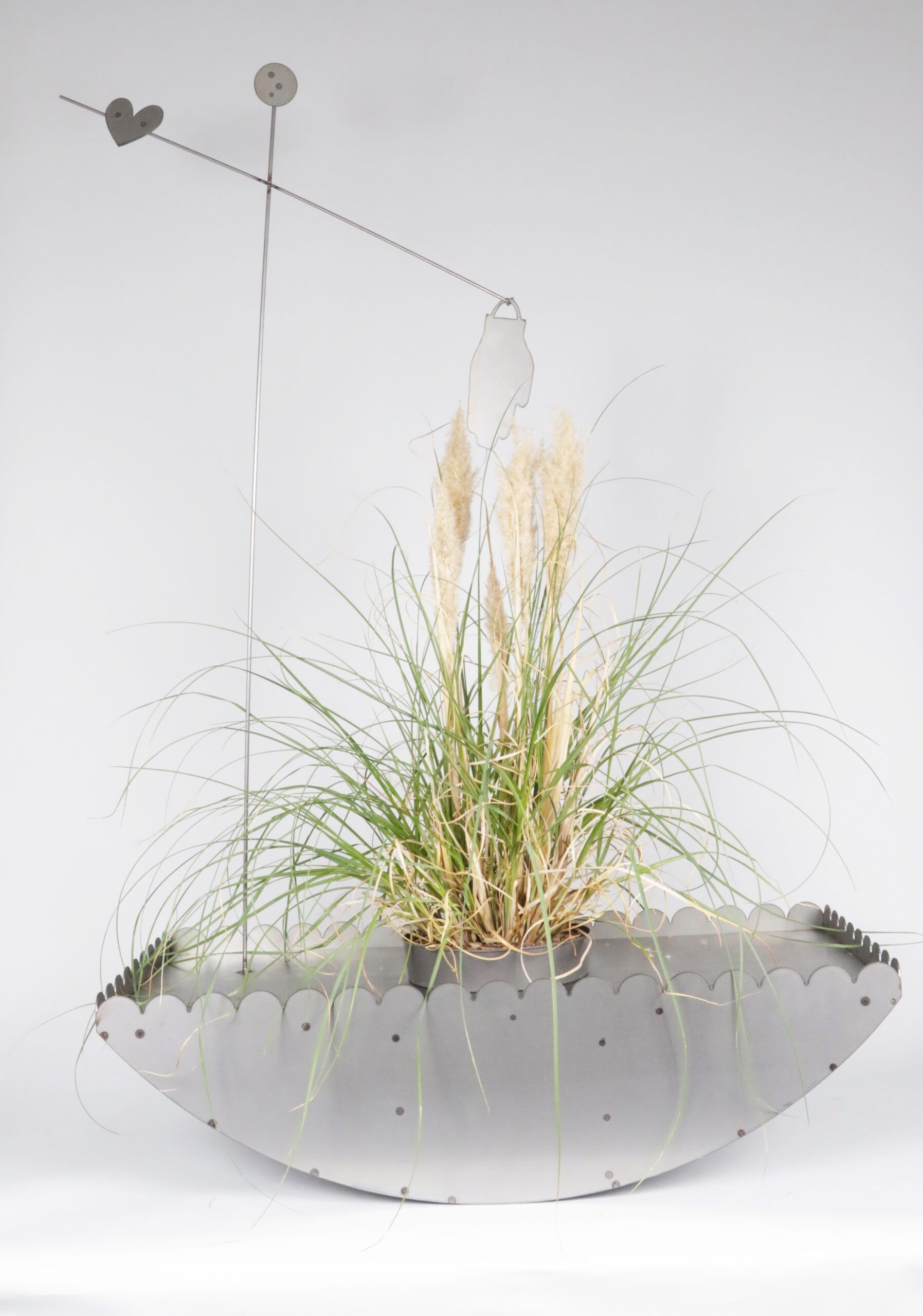
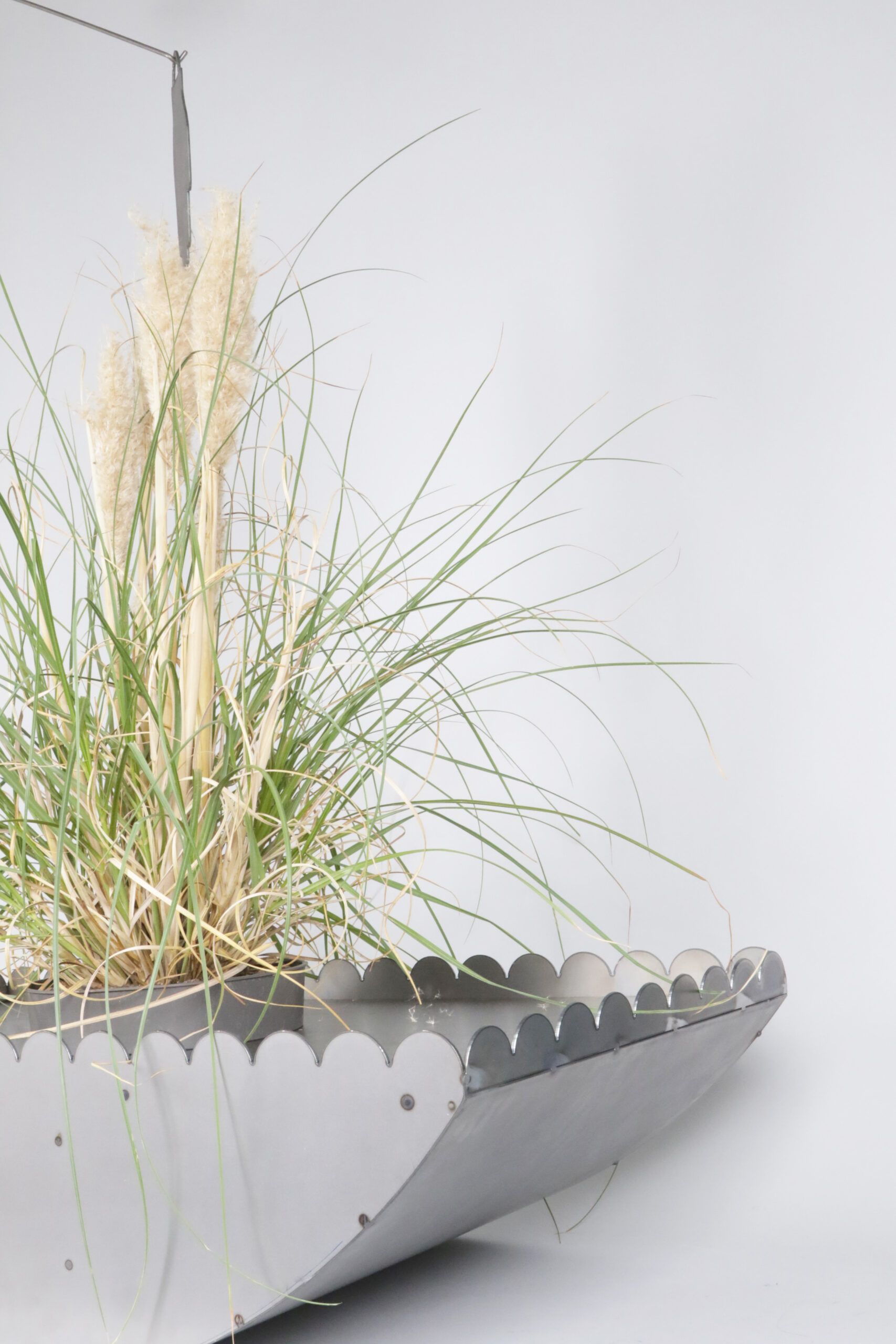
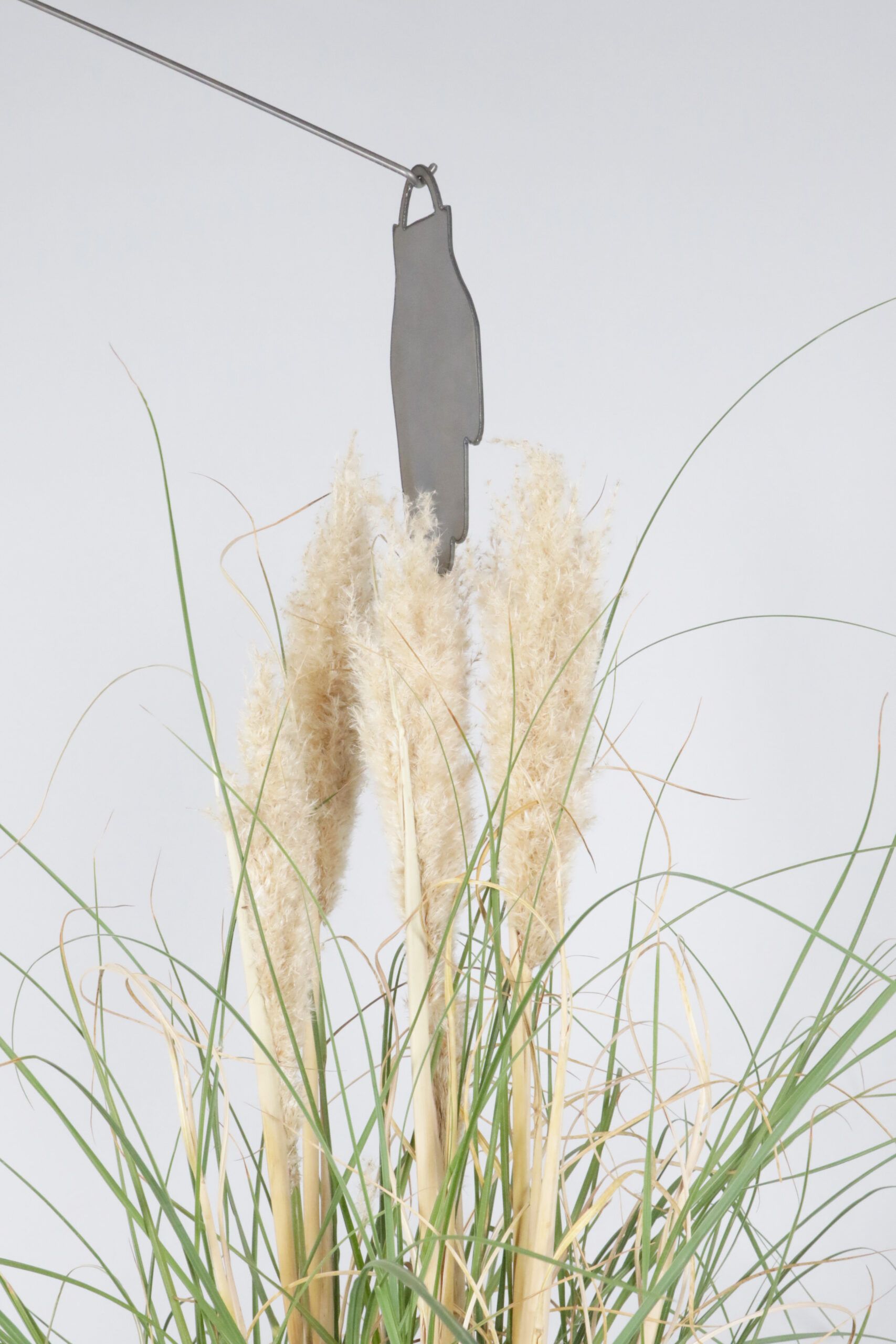
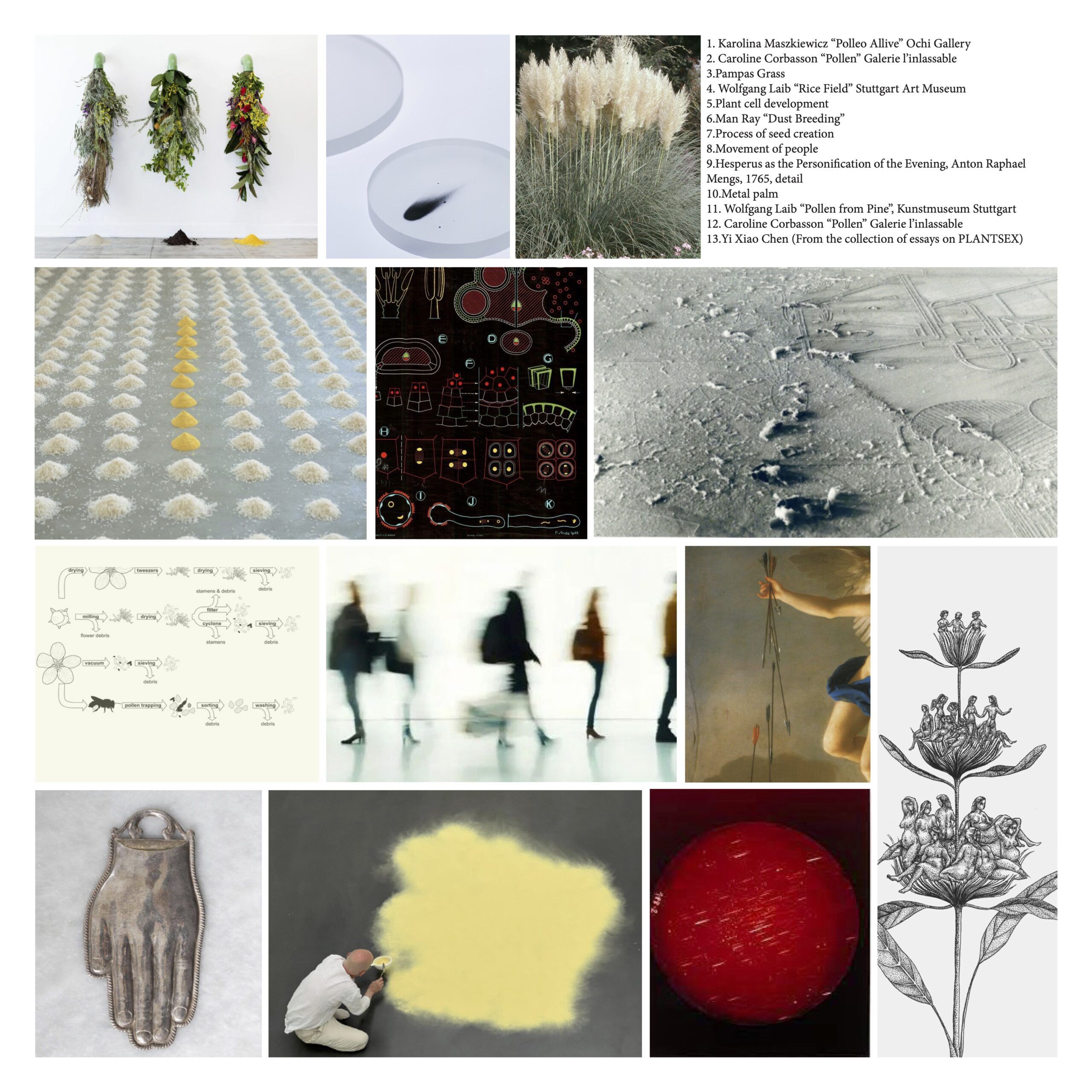
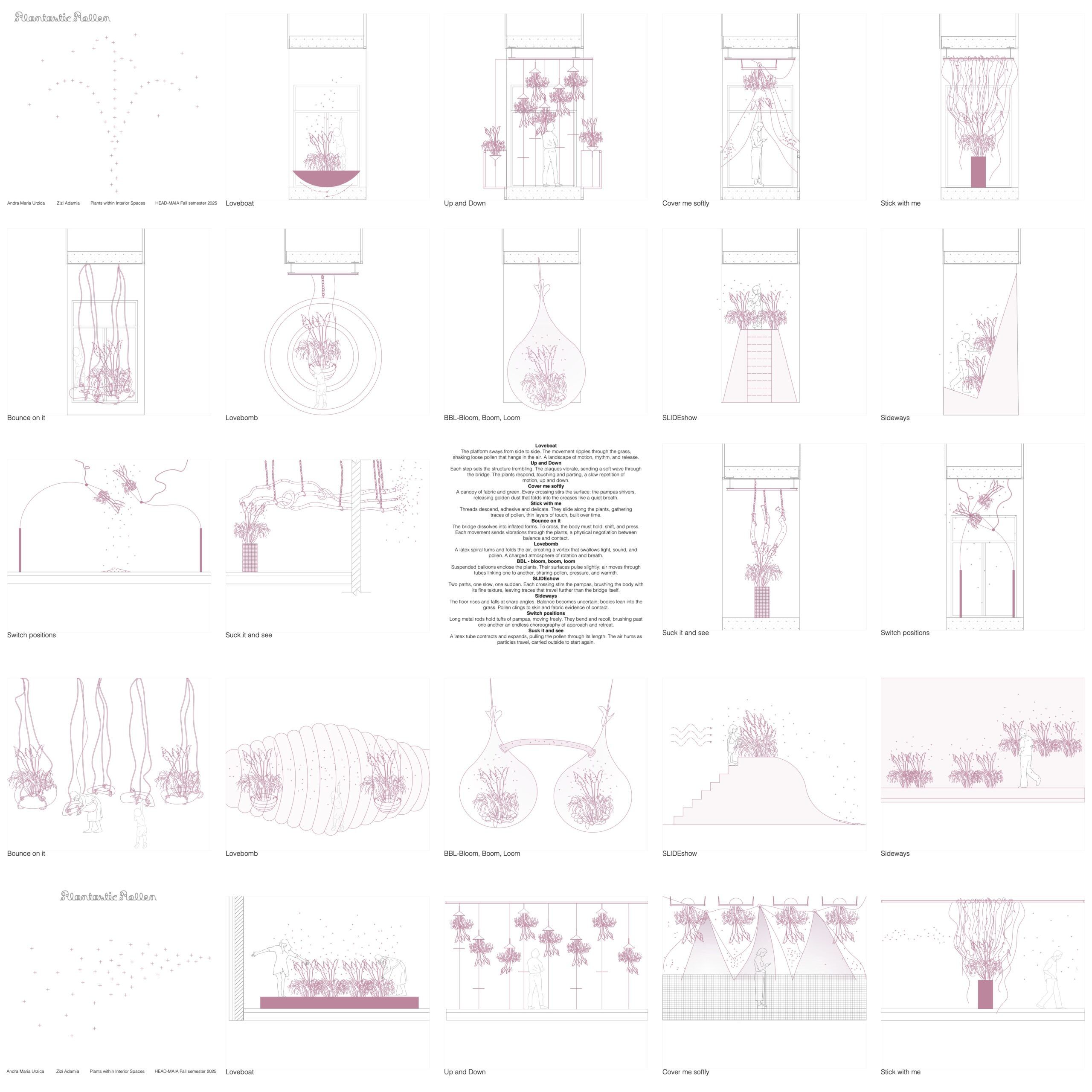
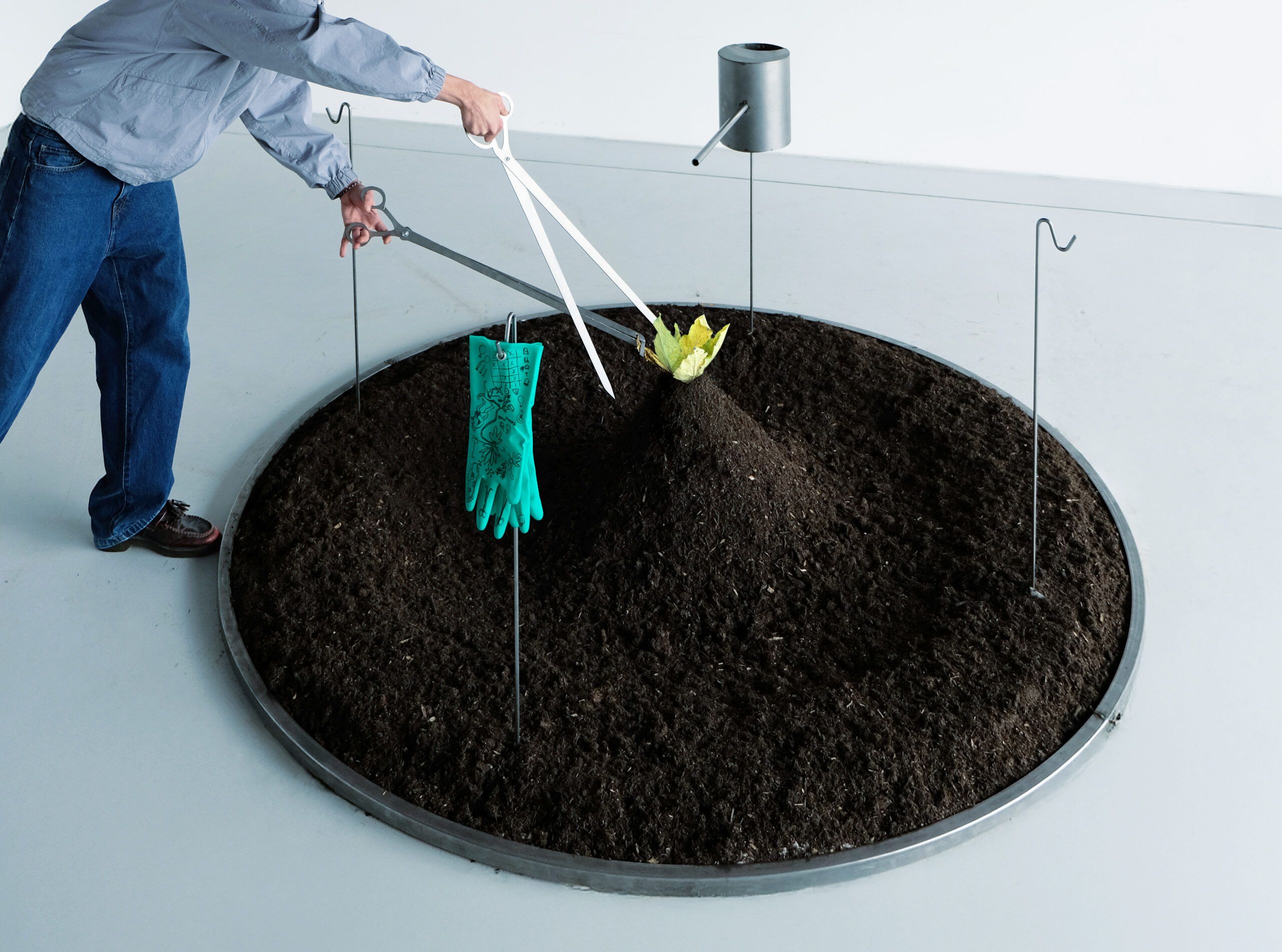
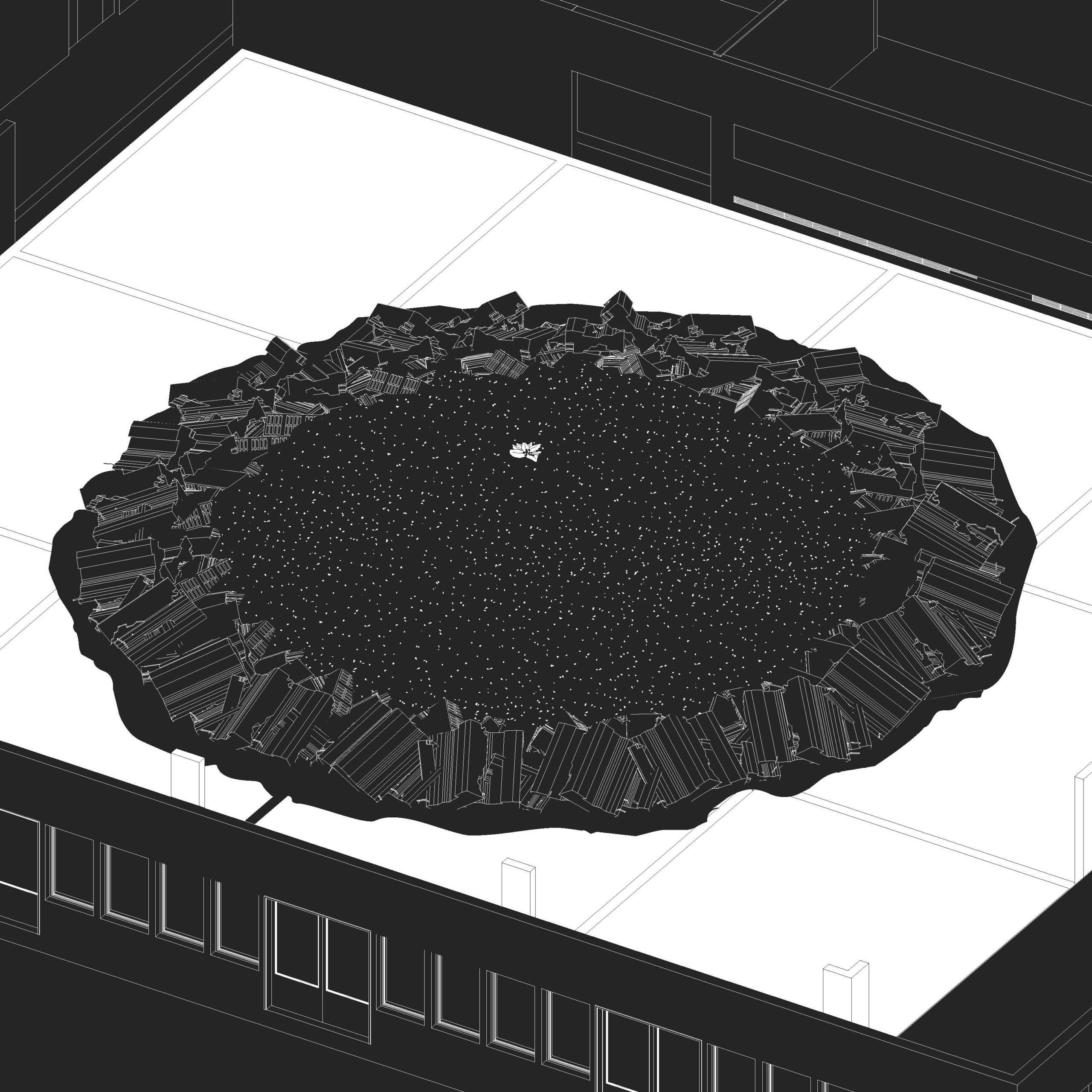
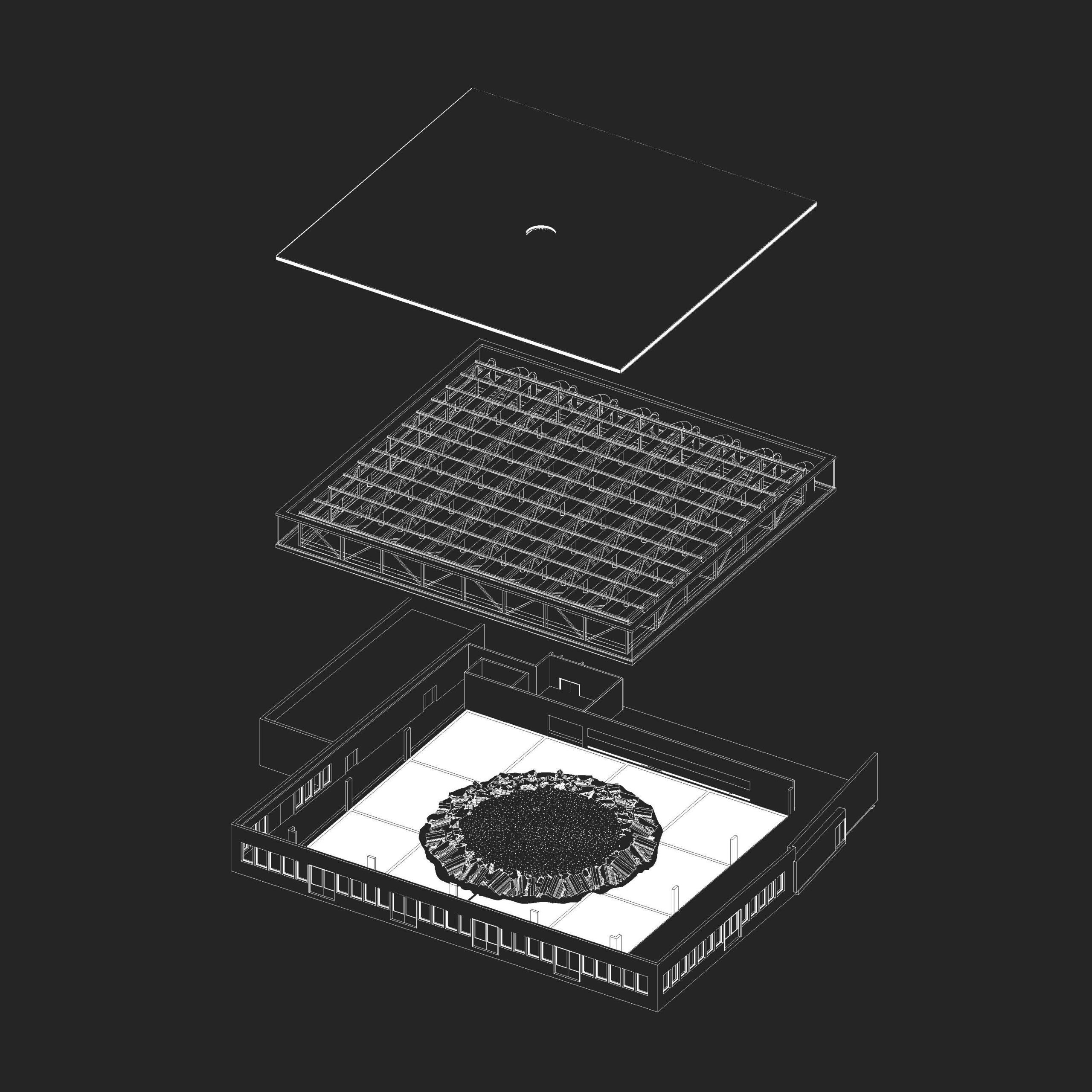
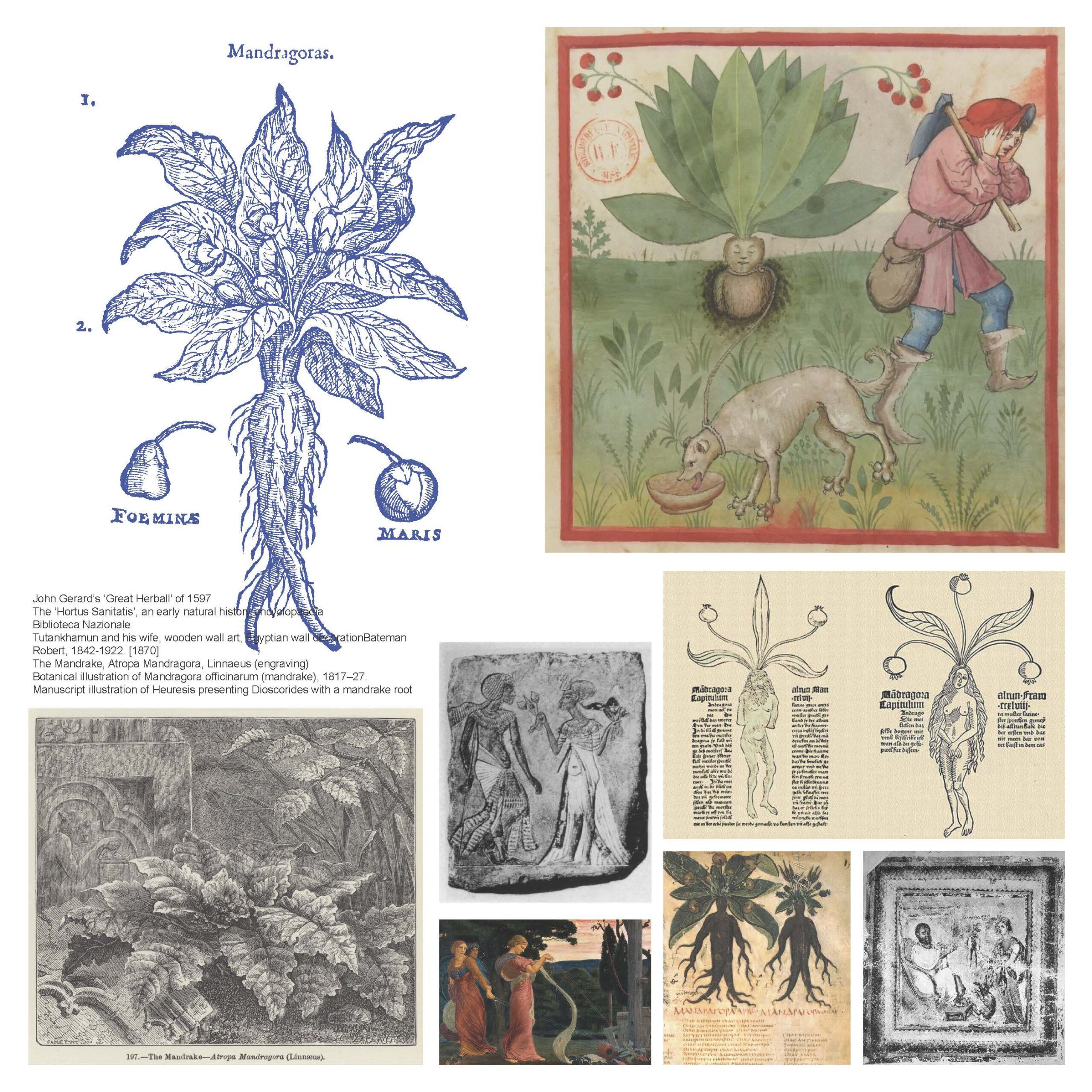
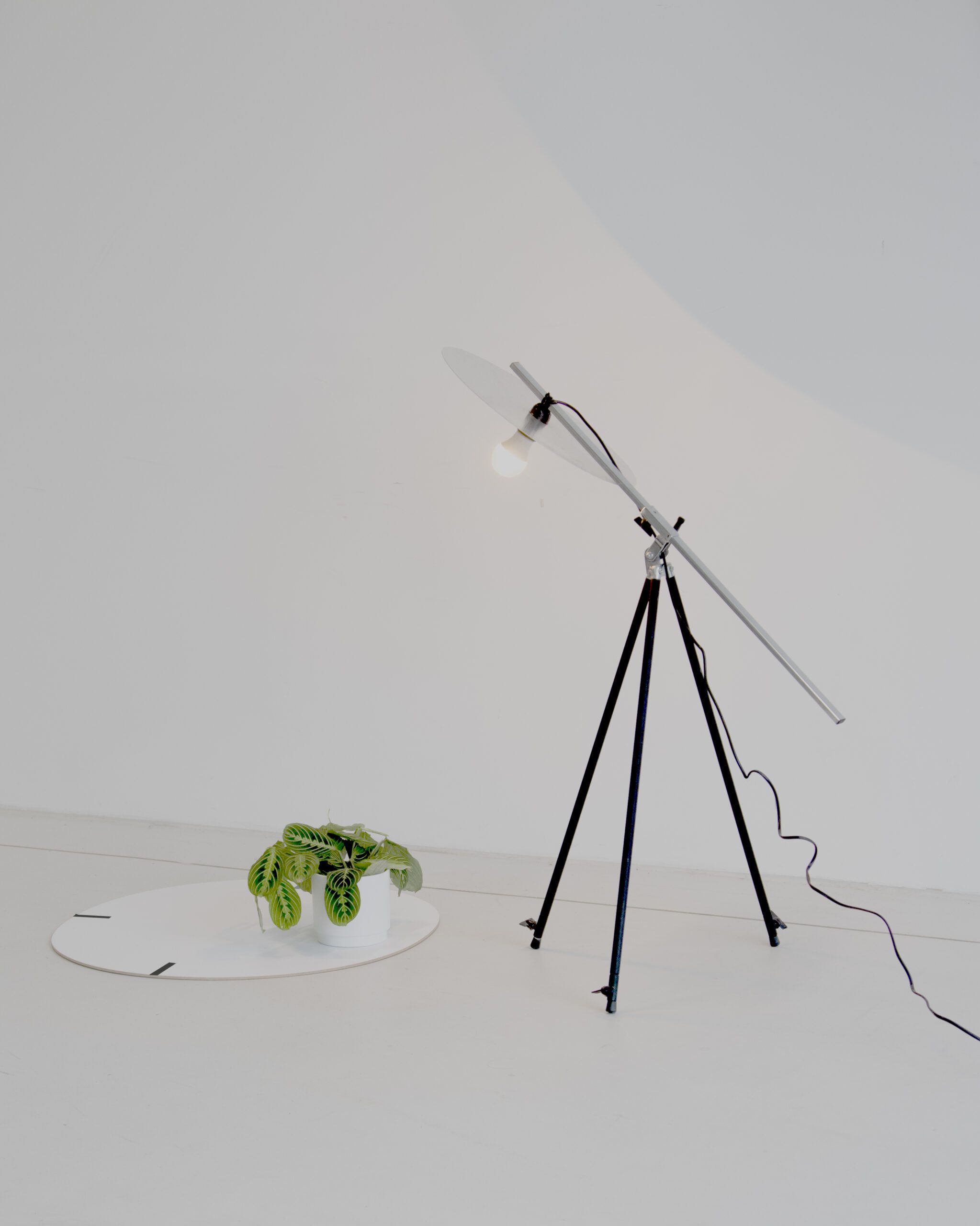
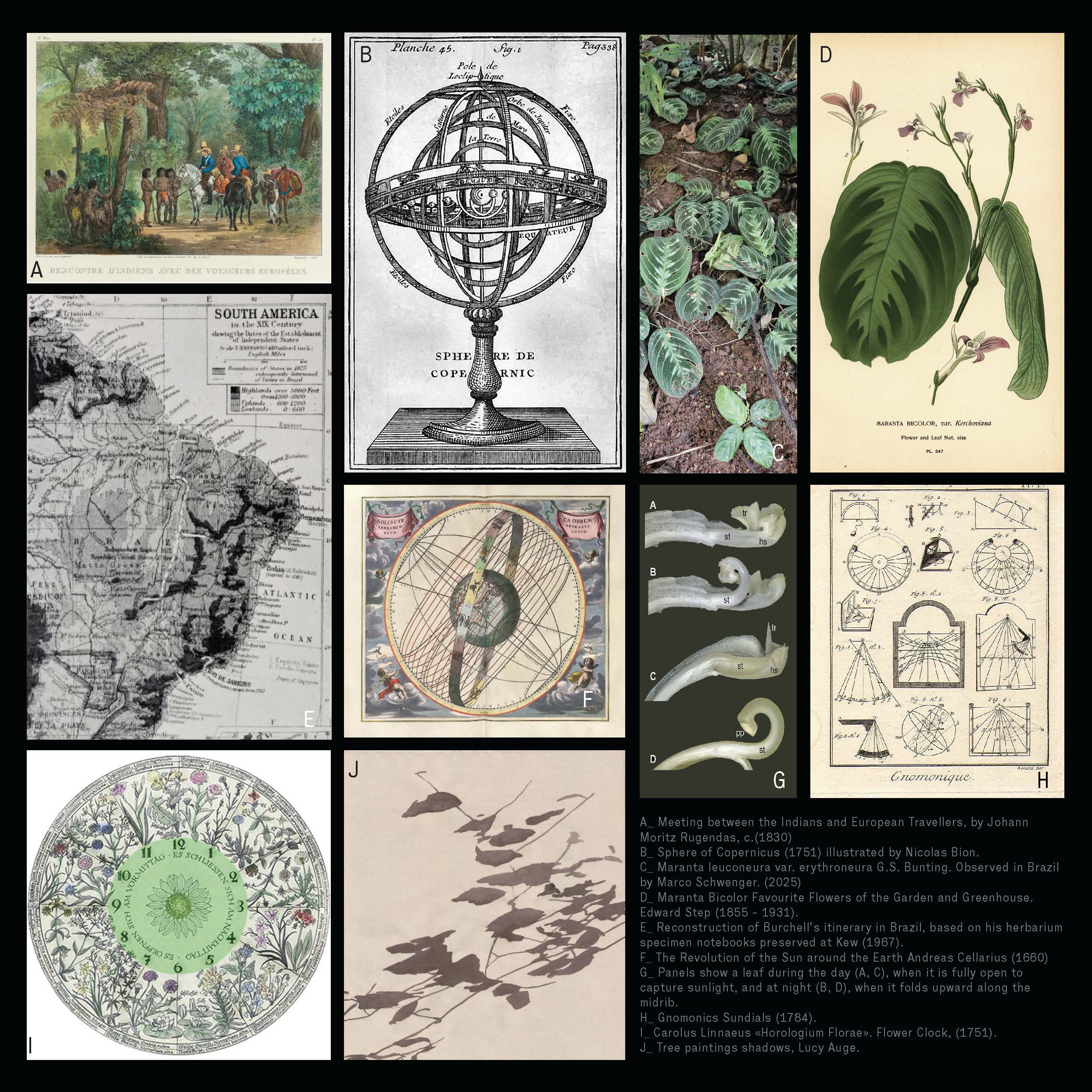
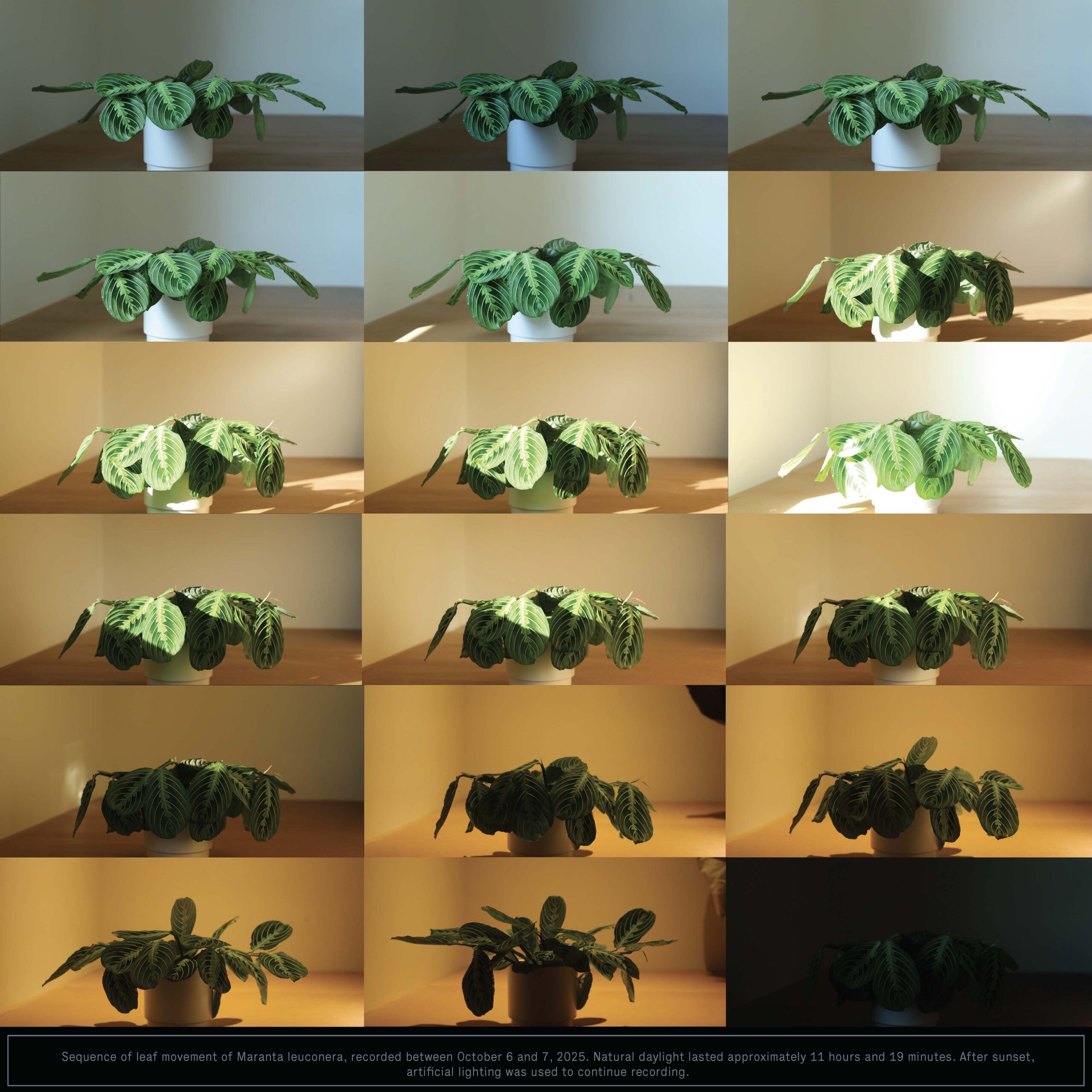
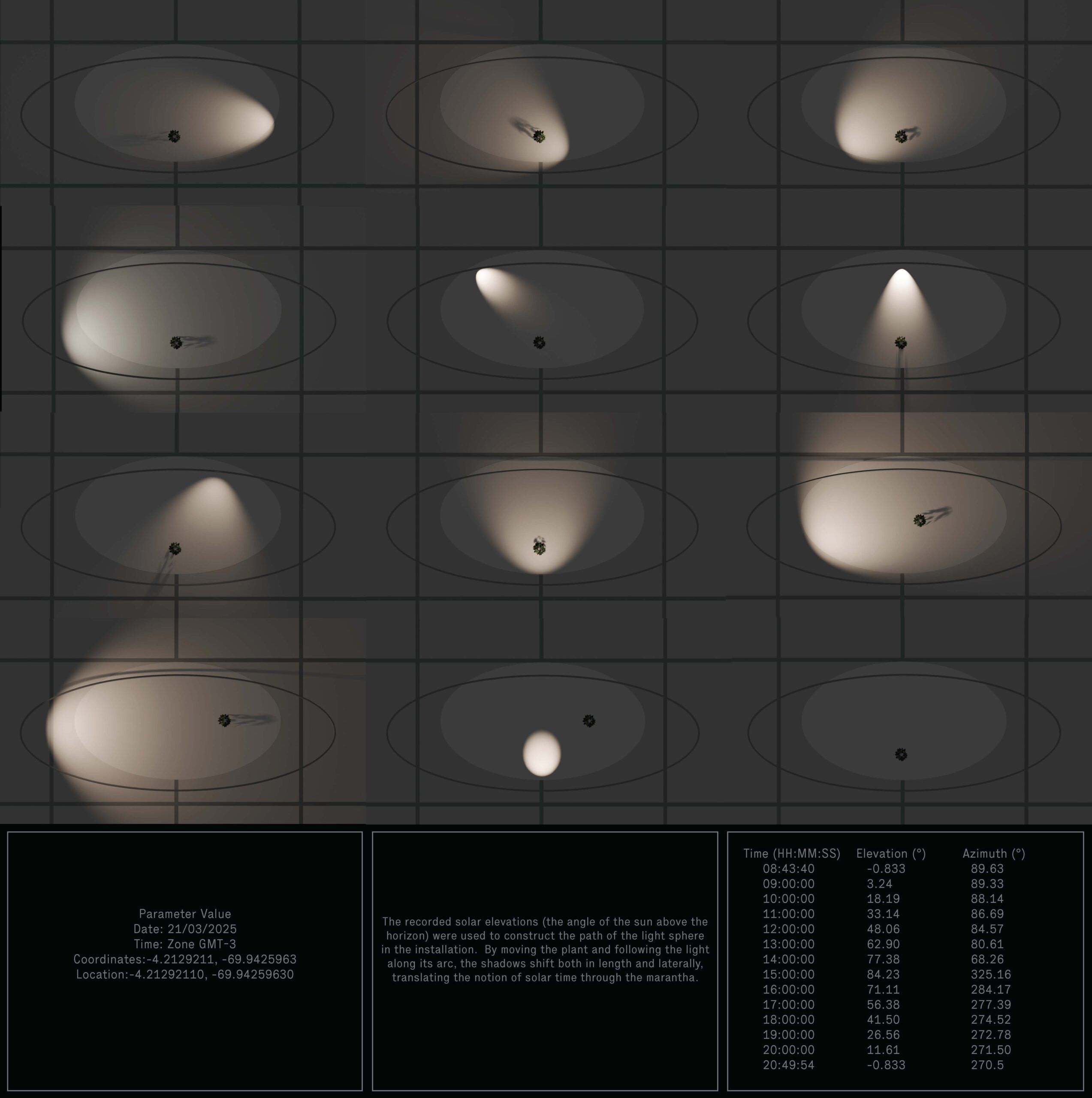
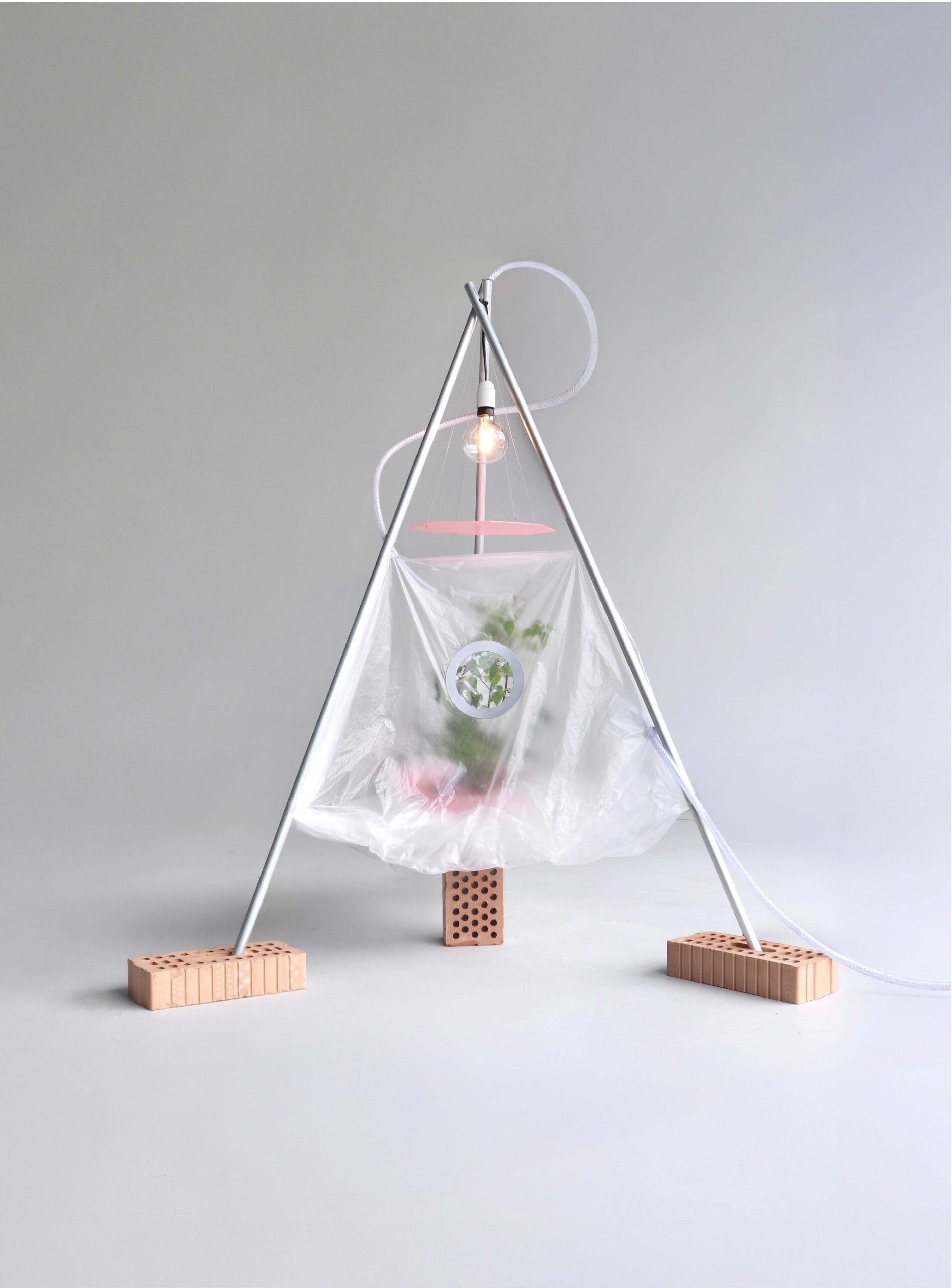
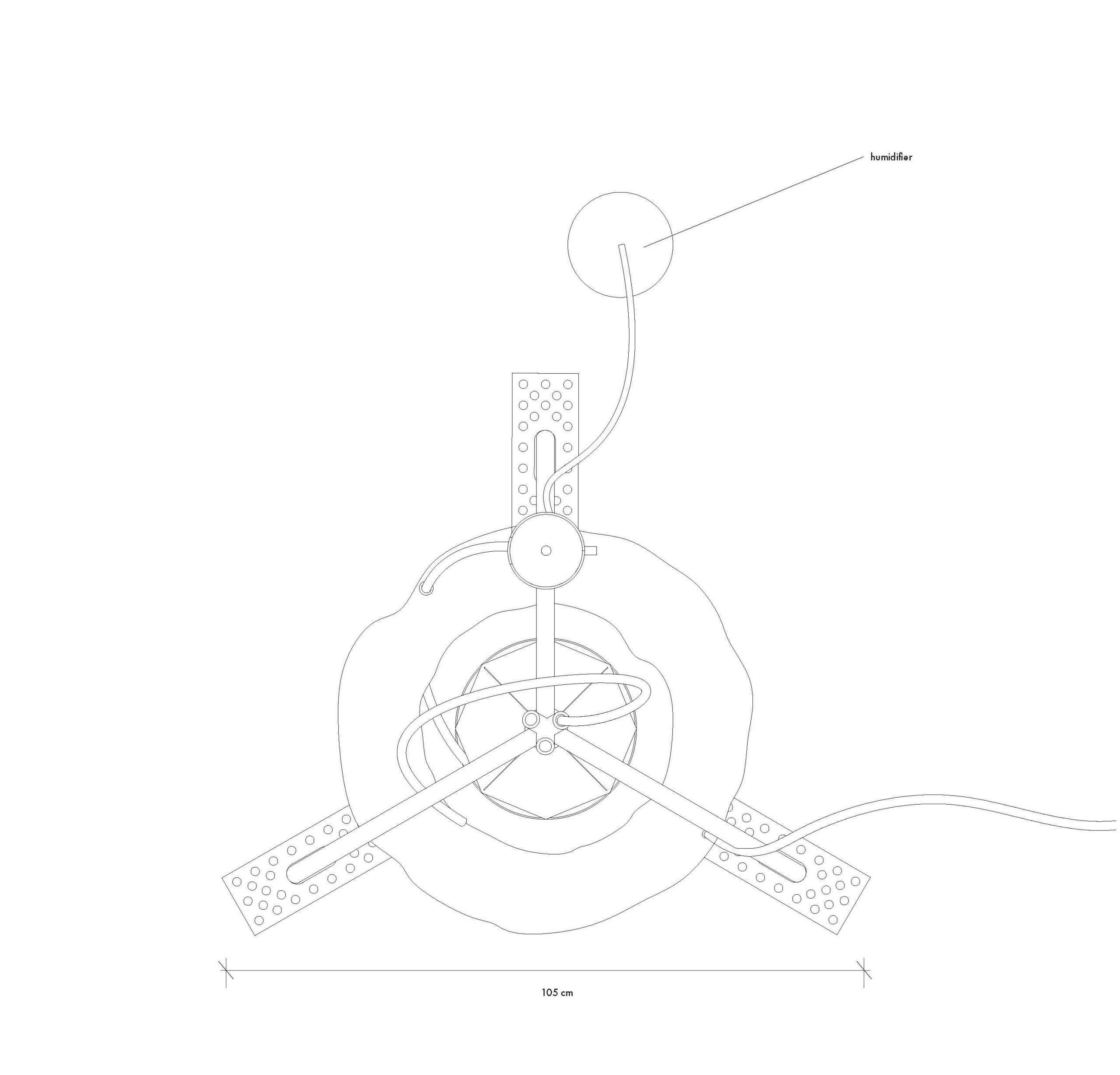
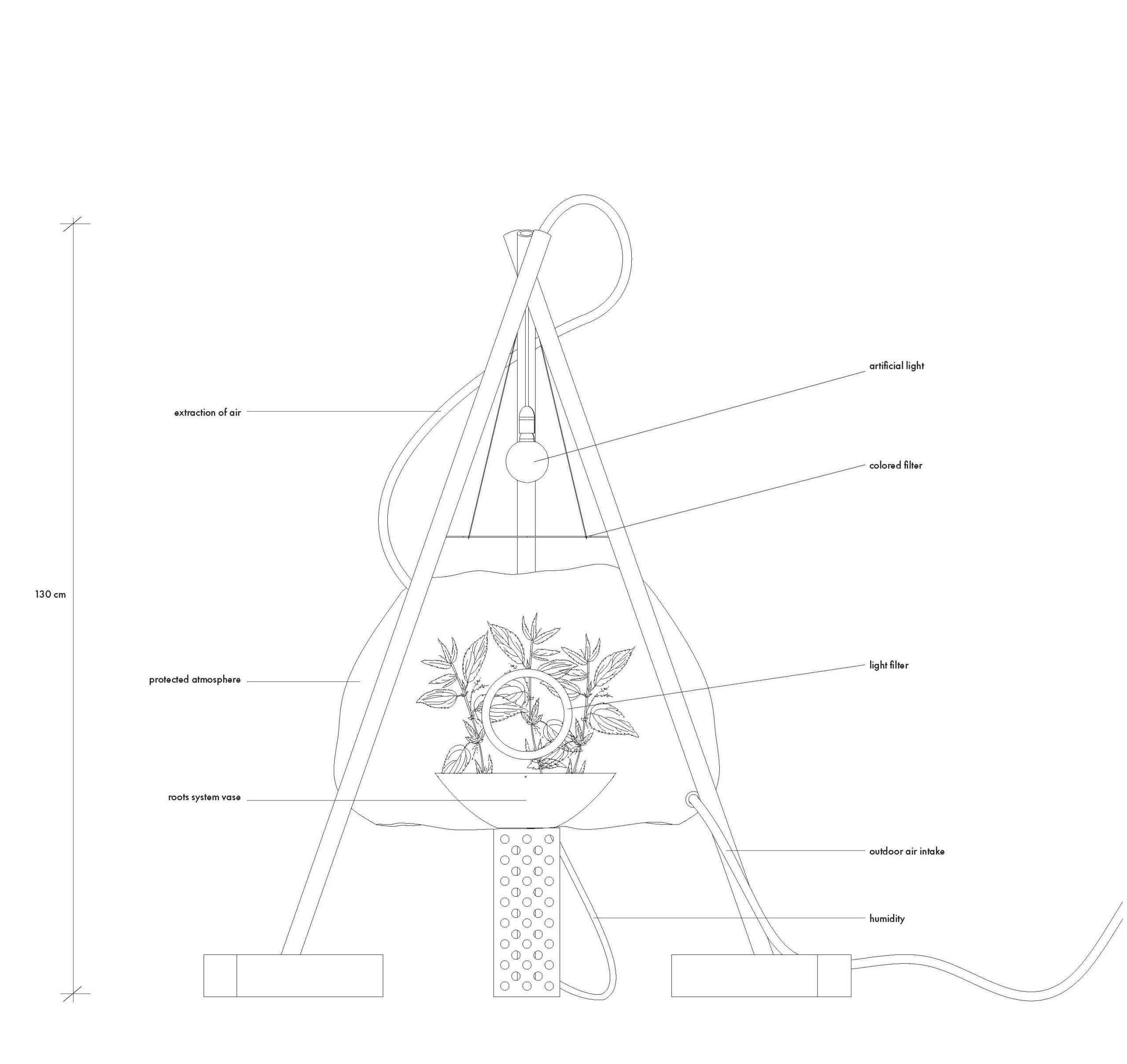
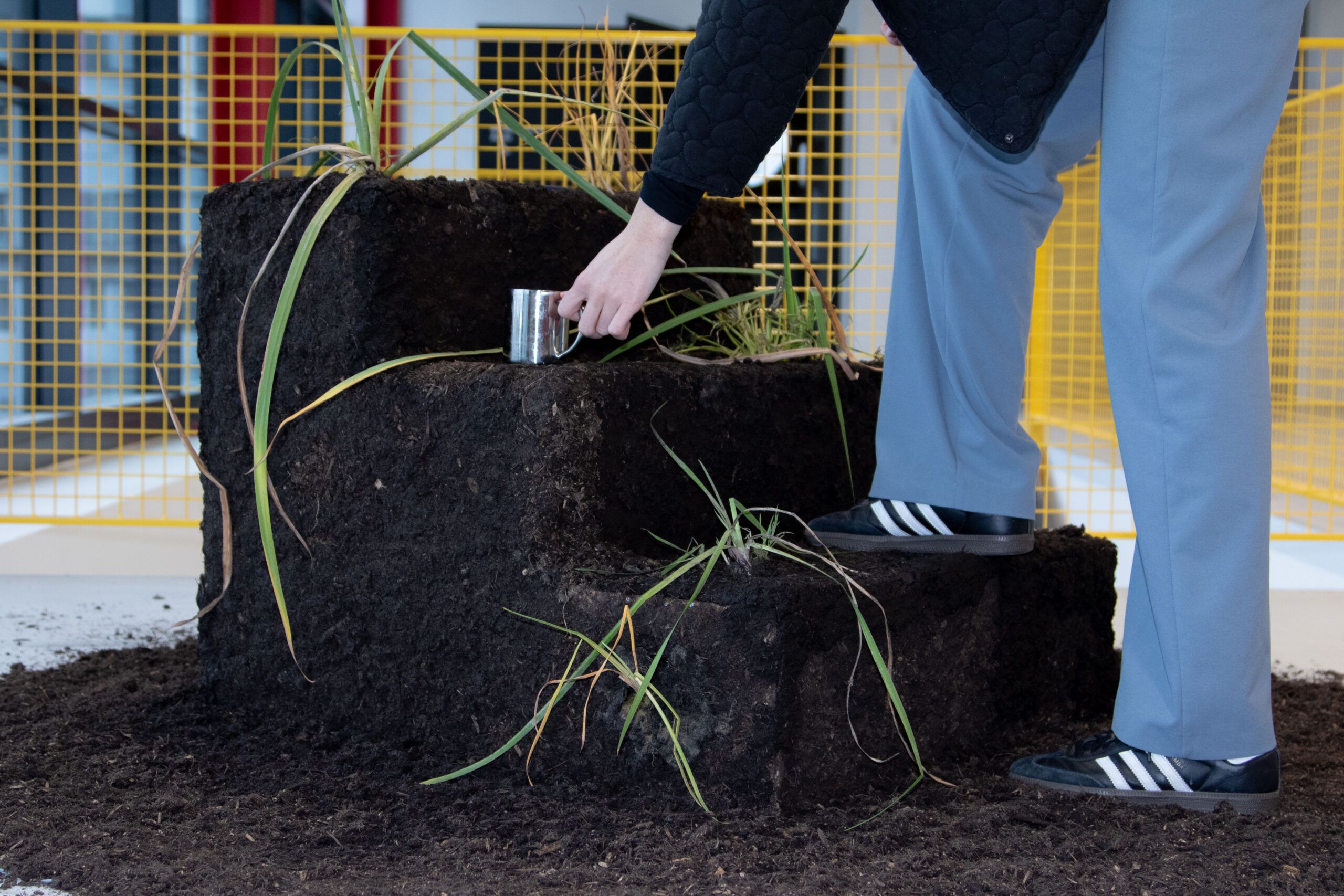
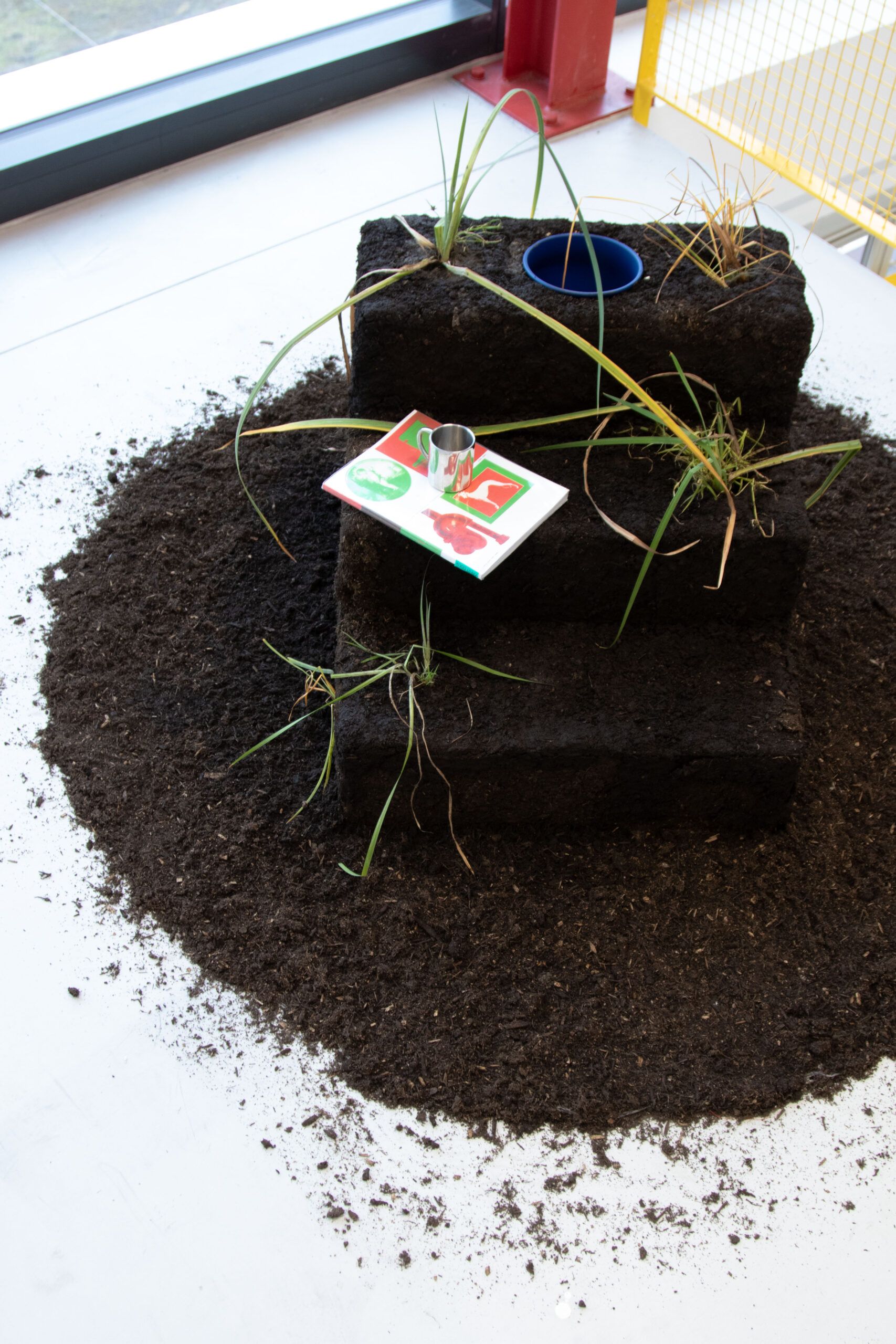
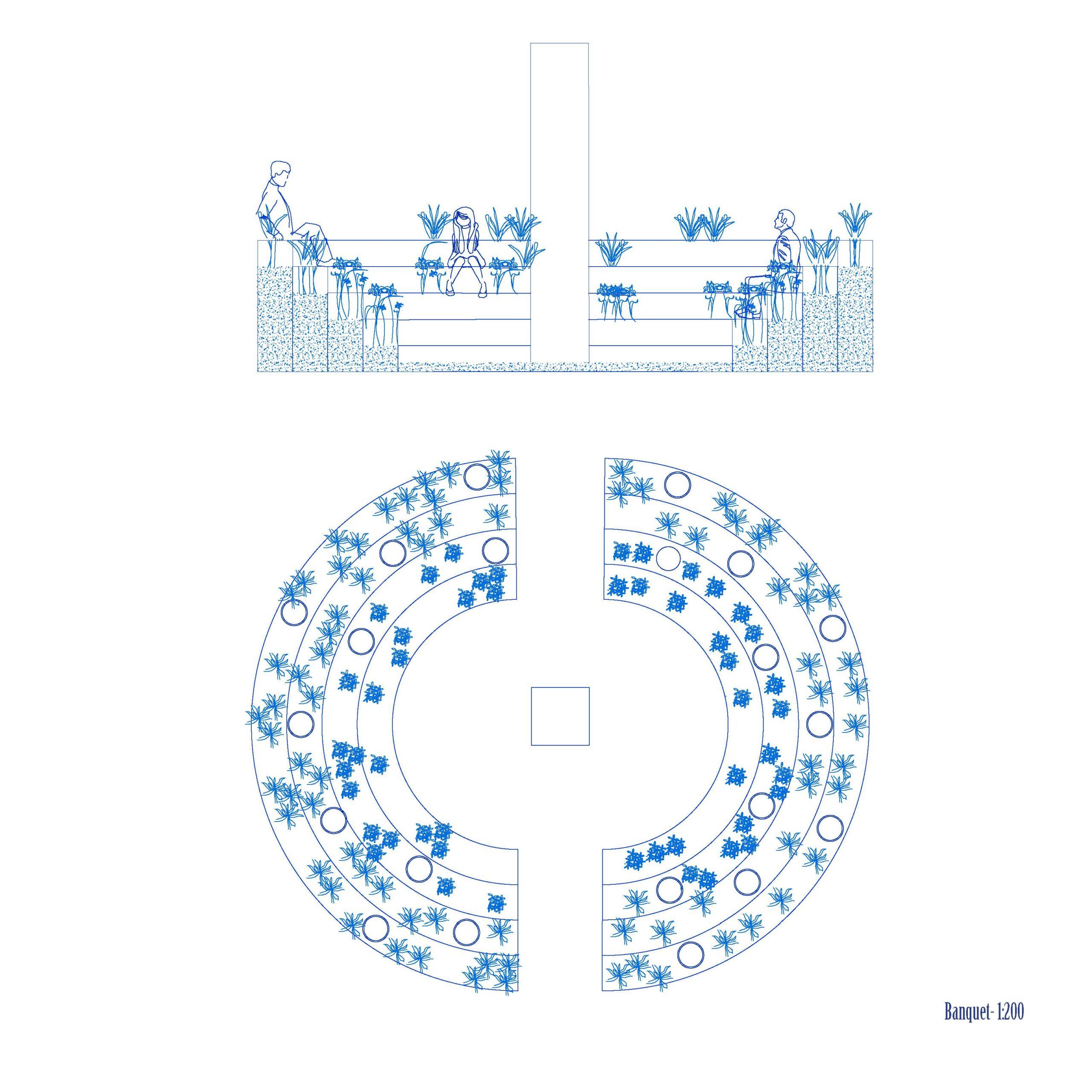
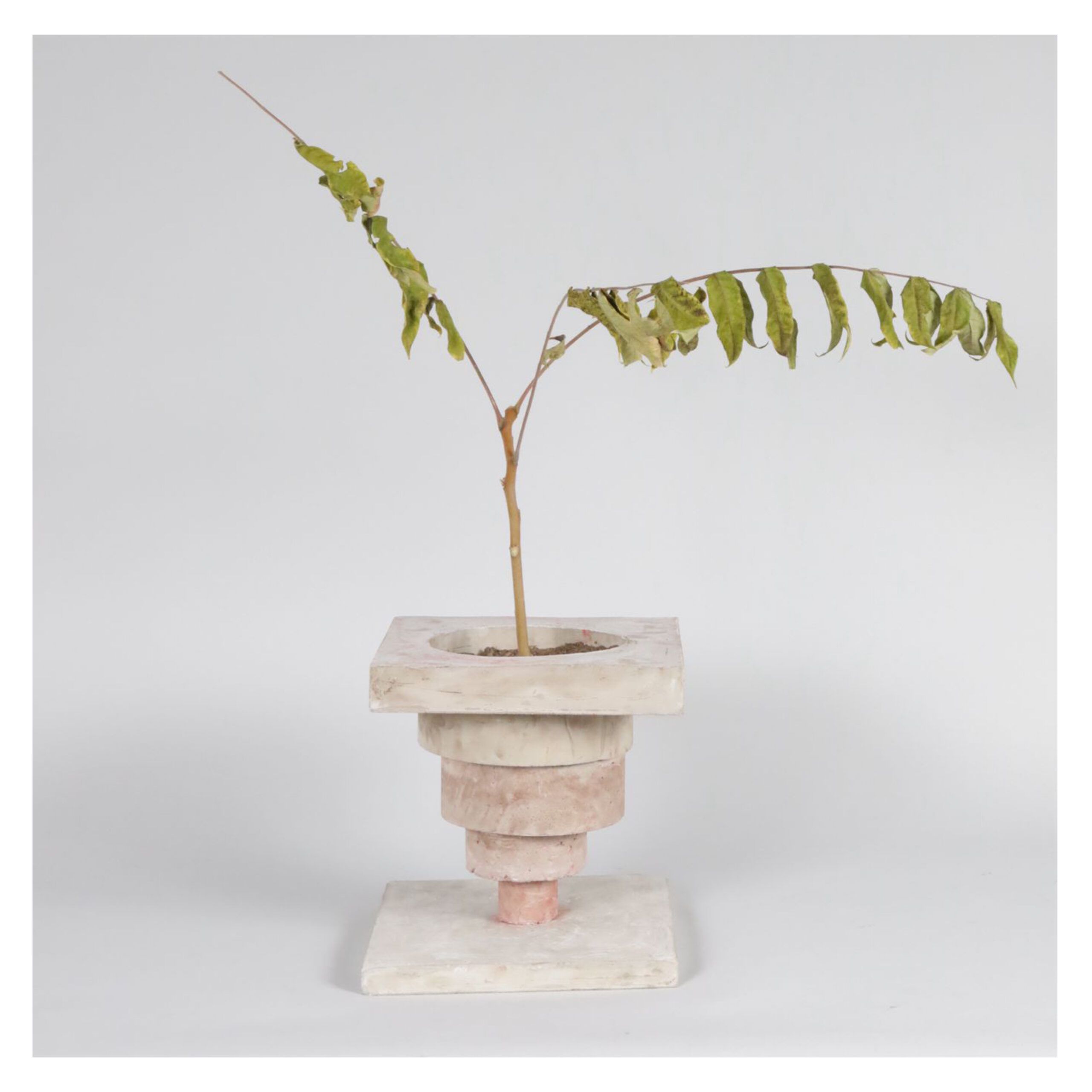
This workshop focused on the design of spaces that foreground the relationships between humans, plants, and the built environment. Student projects explored how plants embody ecological, cultural, historical, and symbolic significance, transforming interiors into sites of interaction, reflection, and care. Some interventions highlighted the sensuality and ethics of plant life, such as pollination and circadian rhythms, while others addressed plants historically considered invasive or marginalized, like nettles and mandrakes, turning fear or exclusion into curiosity and presence. Several projects integrated ecological processes, including phytopurification, to reveal cycles of matter, water, and life, making invisible natural systems legible within domestic or architectural spaces. By combining myth, science, and design, the works examined temporality, resilience, and the paradoxical roles of plants, creating environments where humans and non-human life coexist, communicate, and shape one another, emphasizing plants as agents of transformation, symbolism, and ecological reflection.
Workshop Tutors: Studio Ossidiana
Zizi Adamia, Annie Bornet, Luna Clertan, Lisa Divorne, Diana Escalante, Marine Fouillade, Stéphanie Hemidi, Axelle Joyau, Emilie Liechti, Tina Mirbaba, Mahiro Morita, Jérémy Troilo, Andra Maria Urzica, Mara Van Damme, Paul Rigal
© HEAD – Genève