Geneva
Bodies Within Spaces, Troubling Domesticities is a design-research course based on the observation that space plays an active role in maintaining power relations over and between bodies. It argues that our material environment is not a neutral backdrop that accommodates the everyday lives of pre-established identities, bodies, and social interactions, but rather actively participates in shaping them. By focusing on domestic territories, the class aims to unravel the contemporary biopolitics of the home as a spatial regime of control that contributes to the construction of the “normal” body. Through the critical reinterpretation of pre-narrated domesticities, it seeks to renegotiate power dynamics embedded in space by unsettling the morphologies through which domestic activities and limitations are materially articulated.
The normal body has been the primary inhabitant of architectural discourse for centuries. From the proporzioni del corpo umano secondo Vitruvio (Vitruvius, 1490), depicting a young white athletic man, to Architects’ Data (Neufert, 1936), developed within a historical context shaped by nationalist and eugenic conceptions of the human body; to the Modulor (Le Corbusier, 1945), again modeled on a white athletic male figure; and Joe and Josephine (Dreyfuss, 1955), a standardized male body this time accompanied by his wife, these images have defined spaces, objects, and spatial dimensions around us by defining their embedded social, gender, racial, and class attributions. These figures have also participated in the construction of their mirror images, implicitly defining which bodies were deemed deviant and monstrous within their territorial and political contexts. Their models, together with other disciplinary tools, contributed to the crystallization of disabled bodies not only in terms of mobility, but also along mental, gender, sexual, racial, and class lines. By focusing on domestic practices, this class proposes to examine the construction of the body through the shaping of intimacy and subjectivity.
The contemporary Western home has been produced as a tightly delimited spatial property, organized through hierarchical, functional, and typological units, drawing upon the social diagram of the nuclear, heteronormative family. With the emergence of neoliberal work regimes and the corresponding dissolution of stable space-time boundaries, domesticities have undergone profound mutations. Professional practices now spill into the confines of the home, transforming its biopolitical structures and challenging the assumption of domestic space as fixed or self-contained. At the same time, as capitalist economic structures have increasingly privatized and individualized multiple forms of care work, particularly with the advent of home appliances, care workers have become both isolated and invisible. Paradoxically, this dissolution of the boundaries of domestic territories pressures bodies both inside and outside the home, while it may also offer the opportunity to question the privatization of domestic practices and to envision new possibilities for interdependent care beyond the household. By exploring domestic practices within the public sphere, we address these matters as public ones.
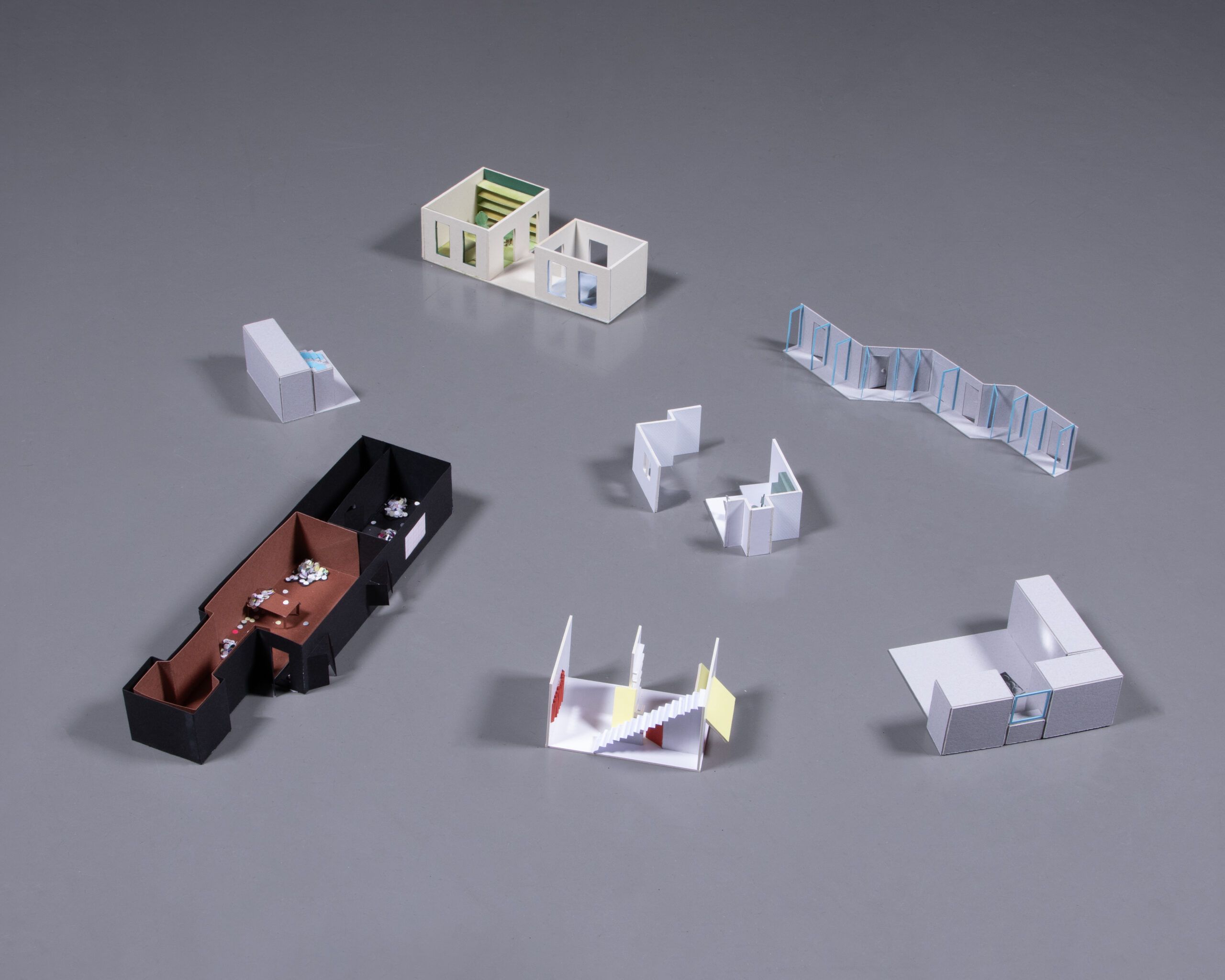
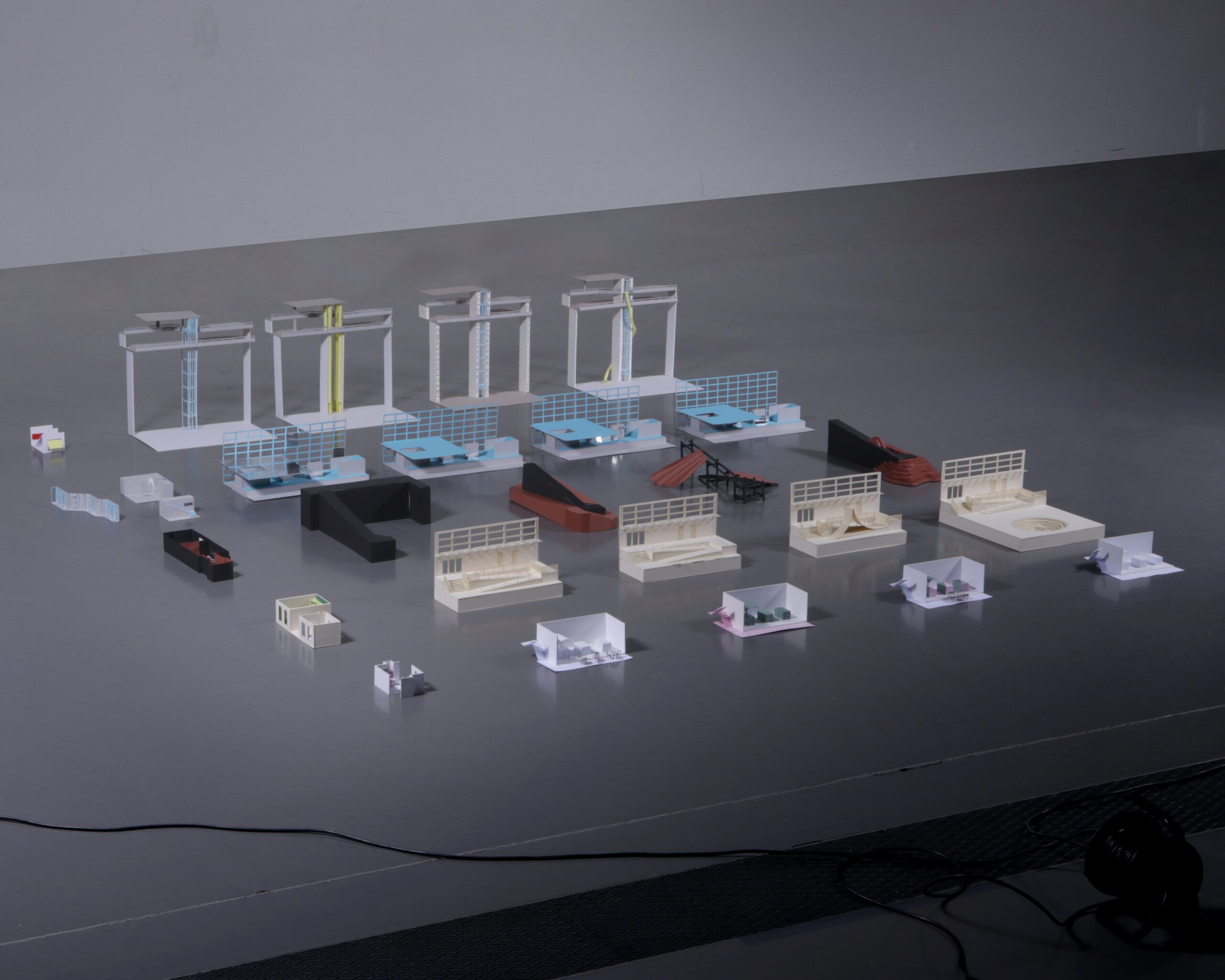
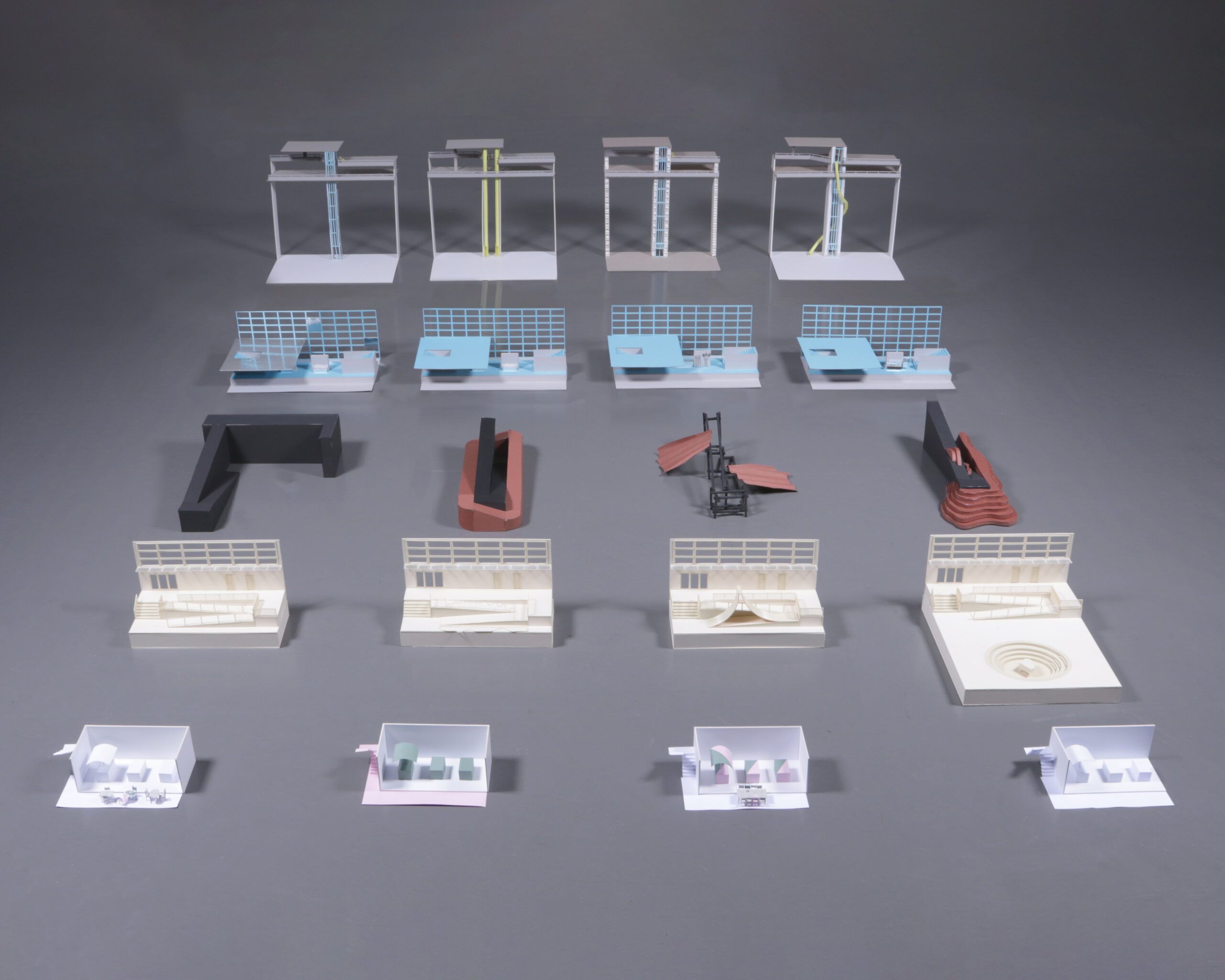
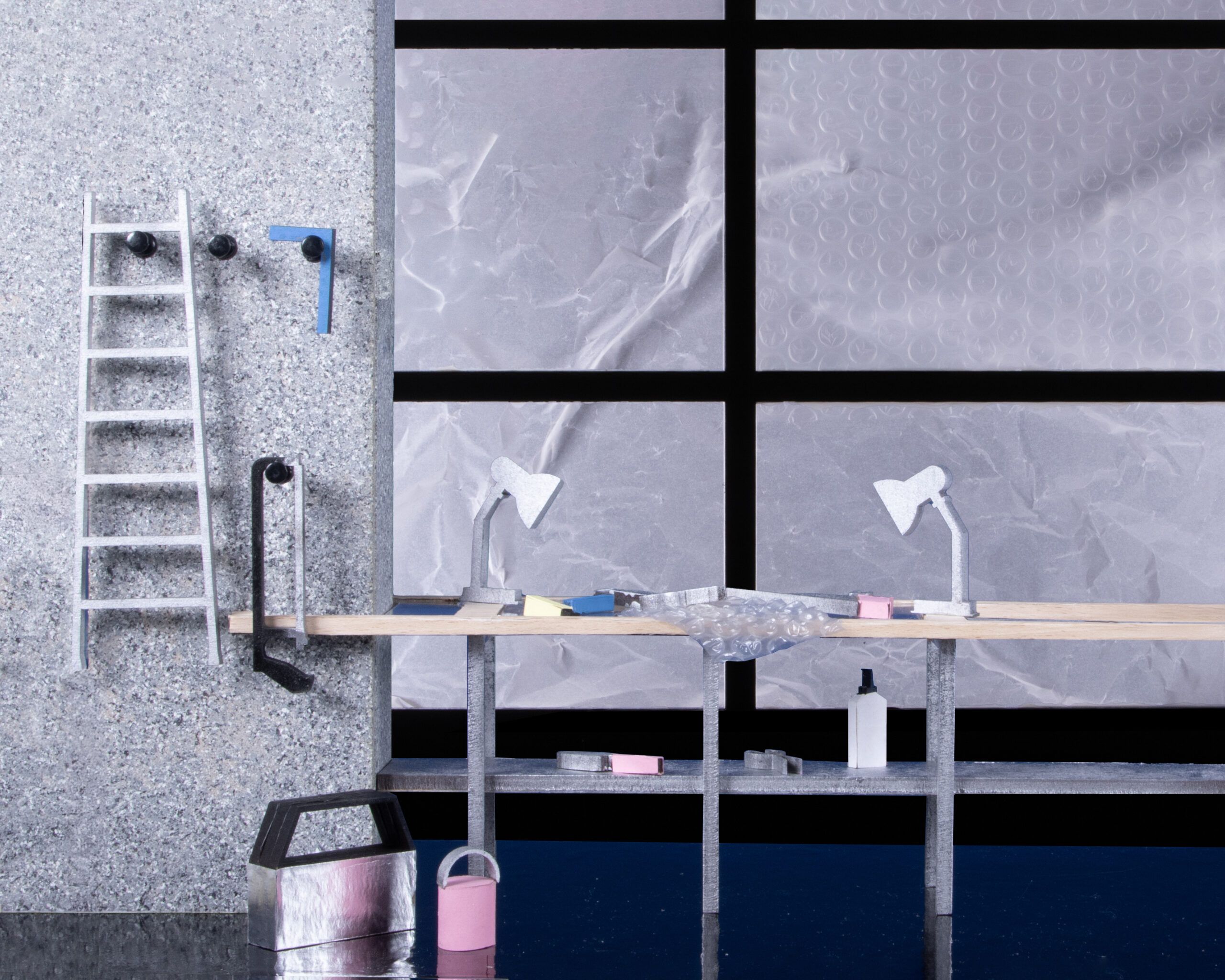
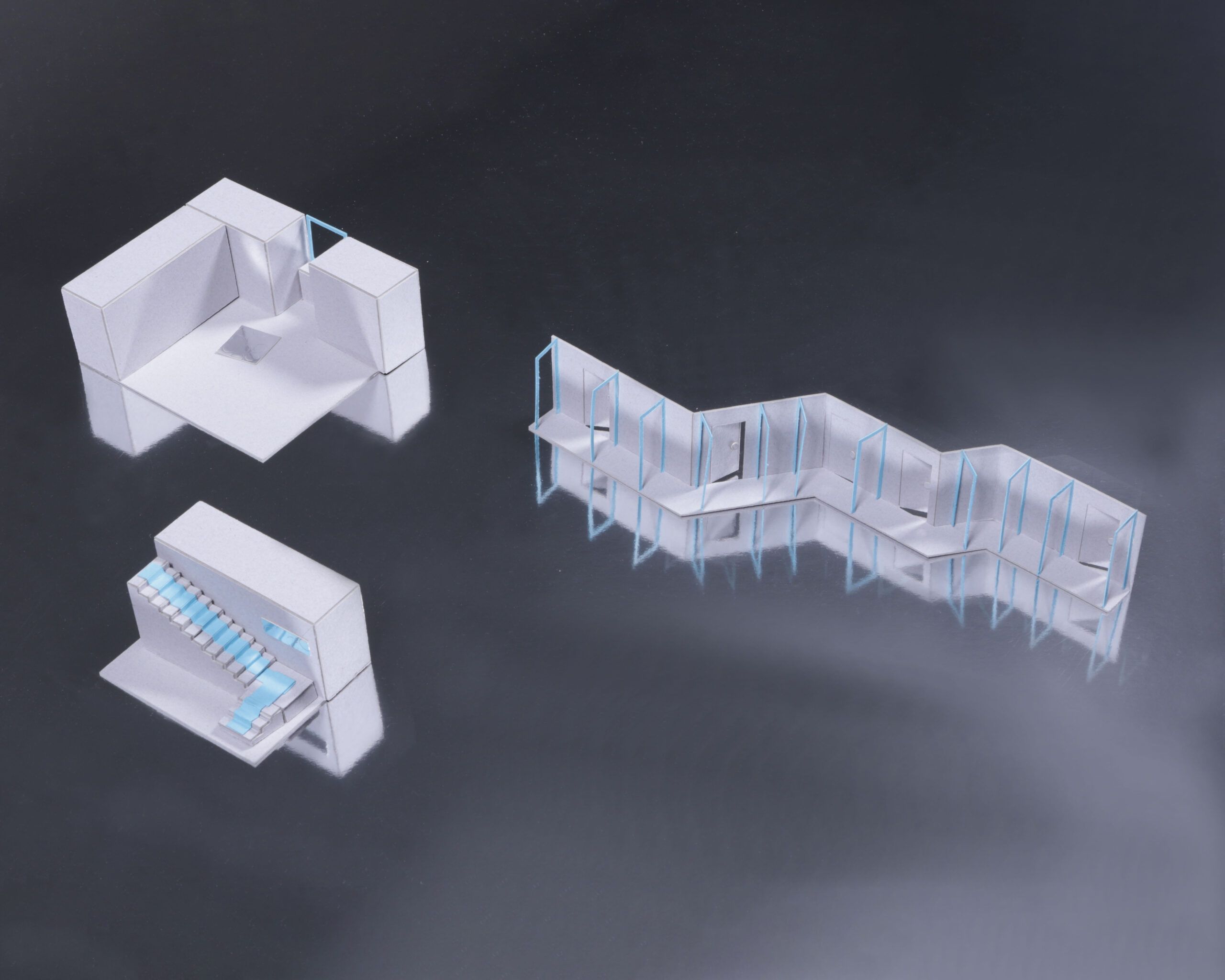
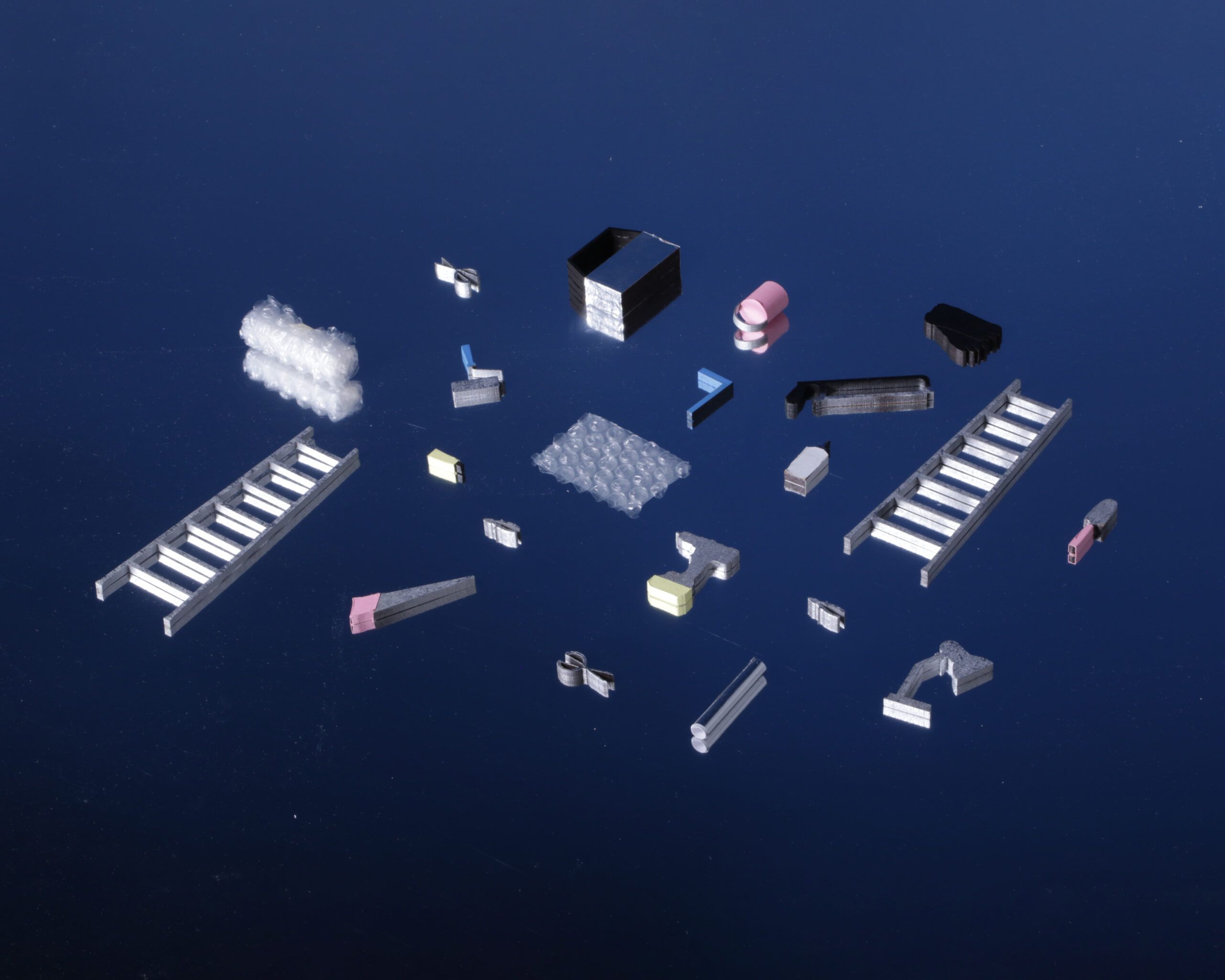
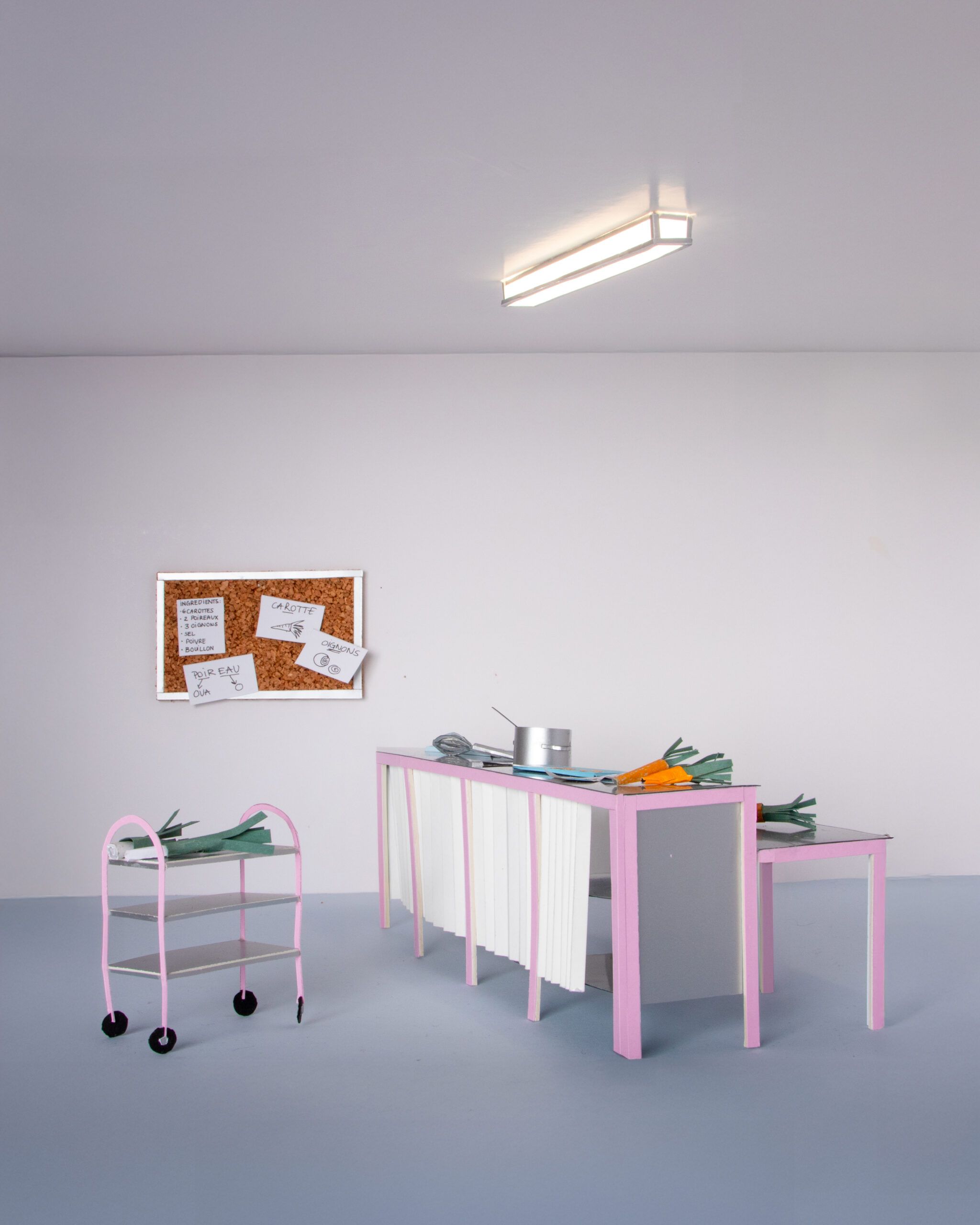
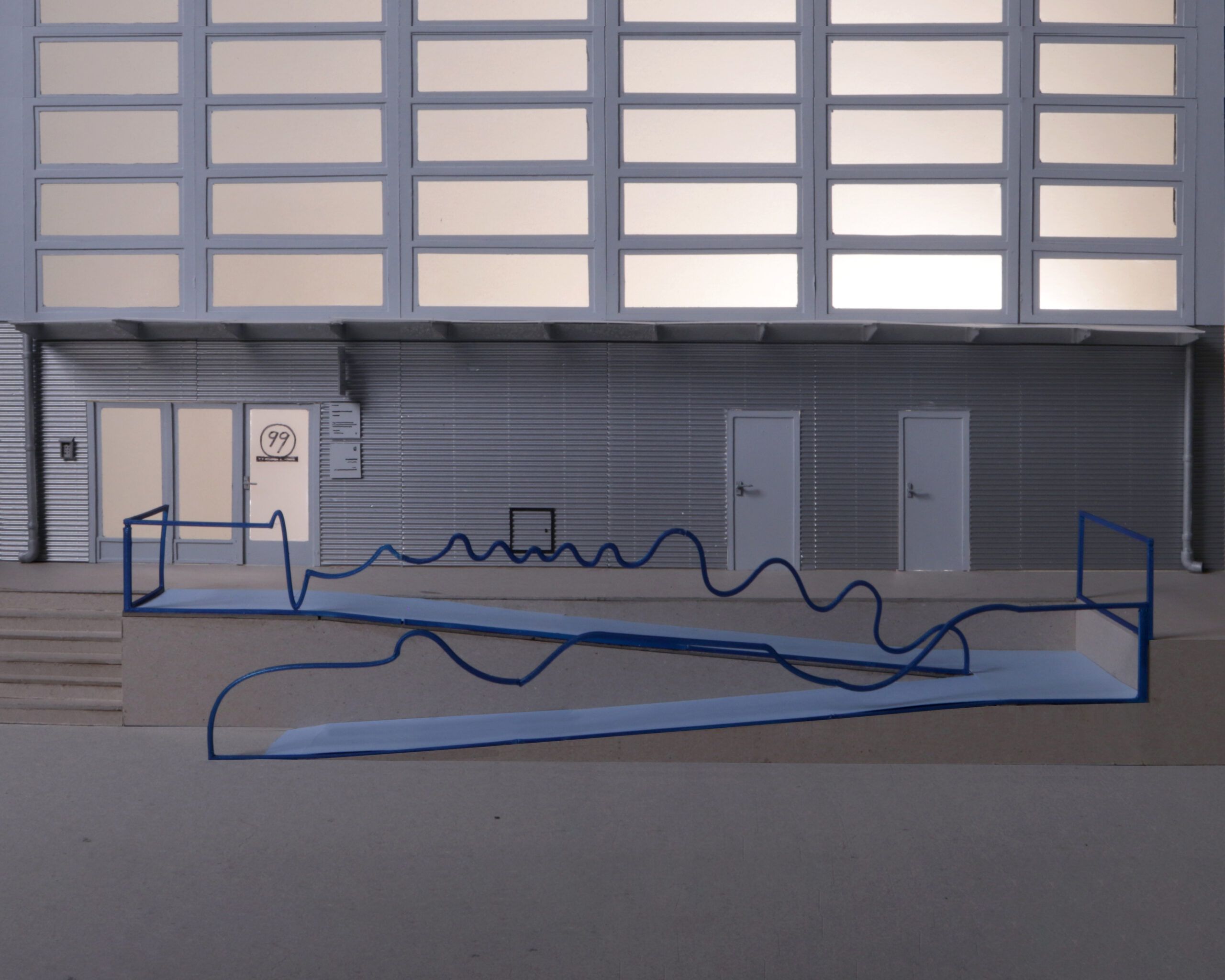
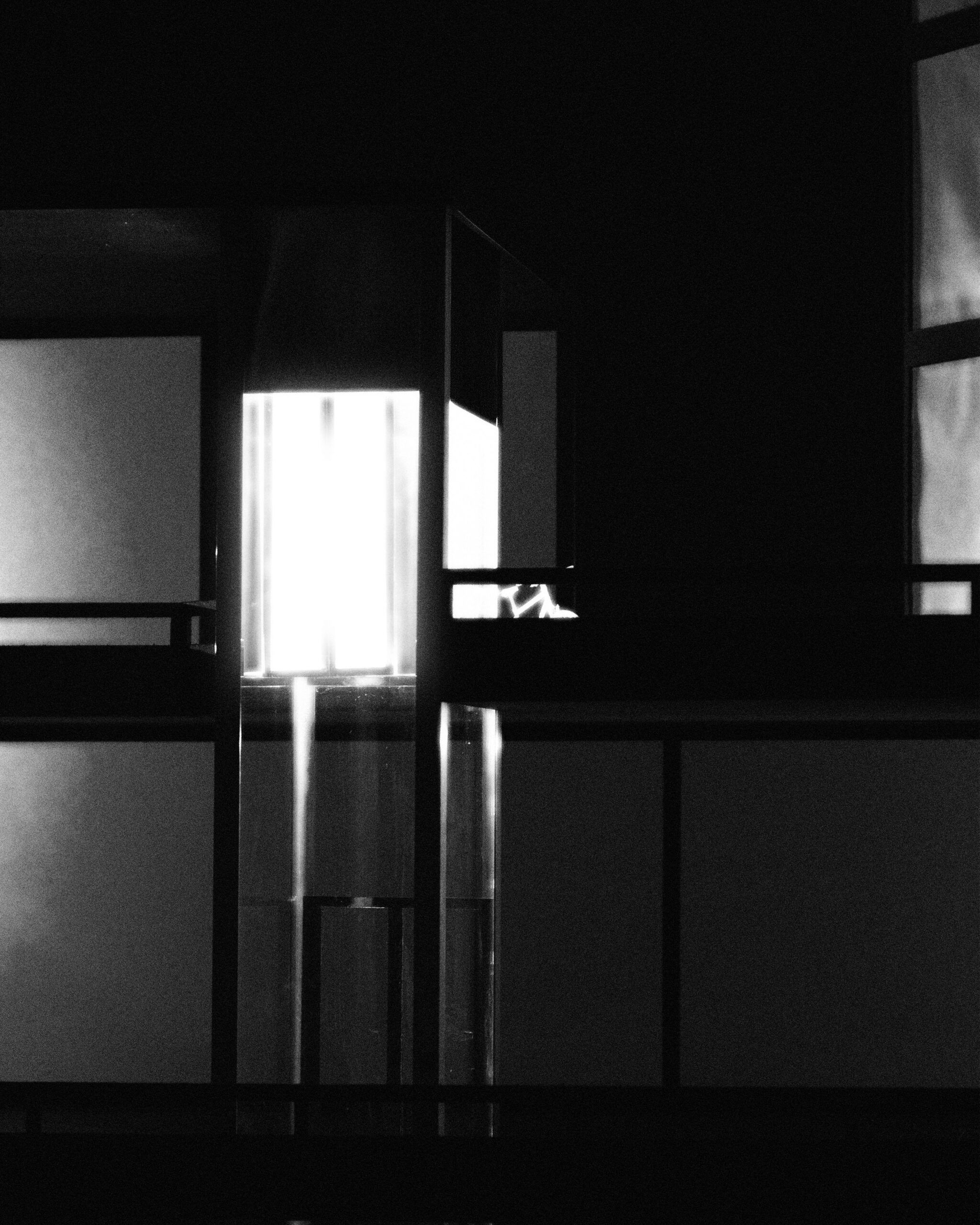
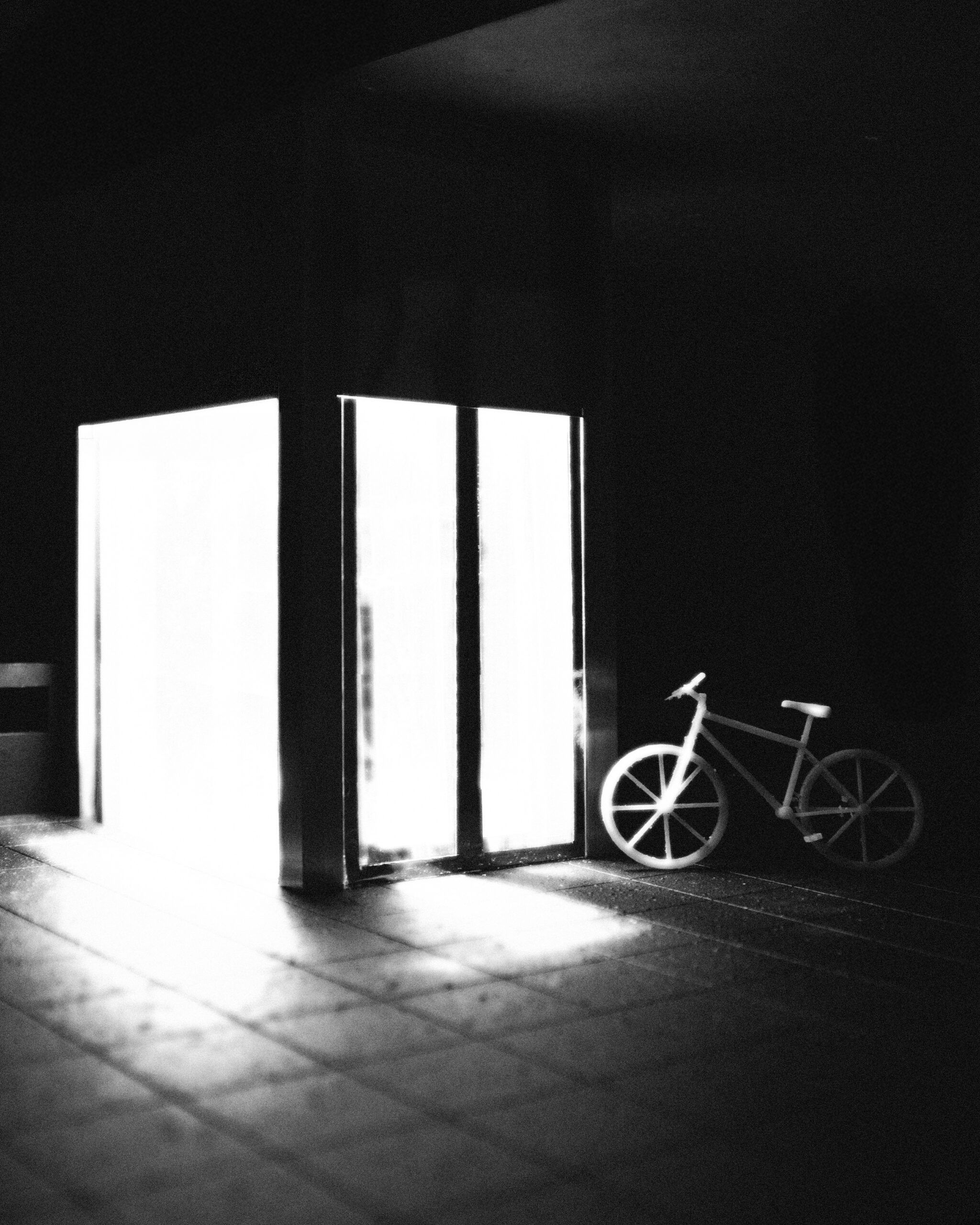
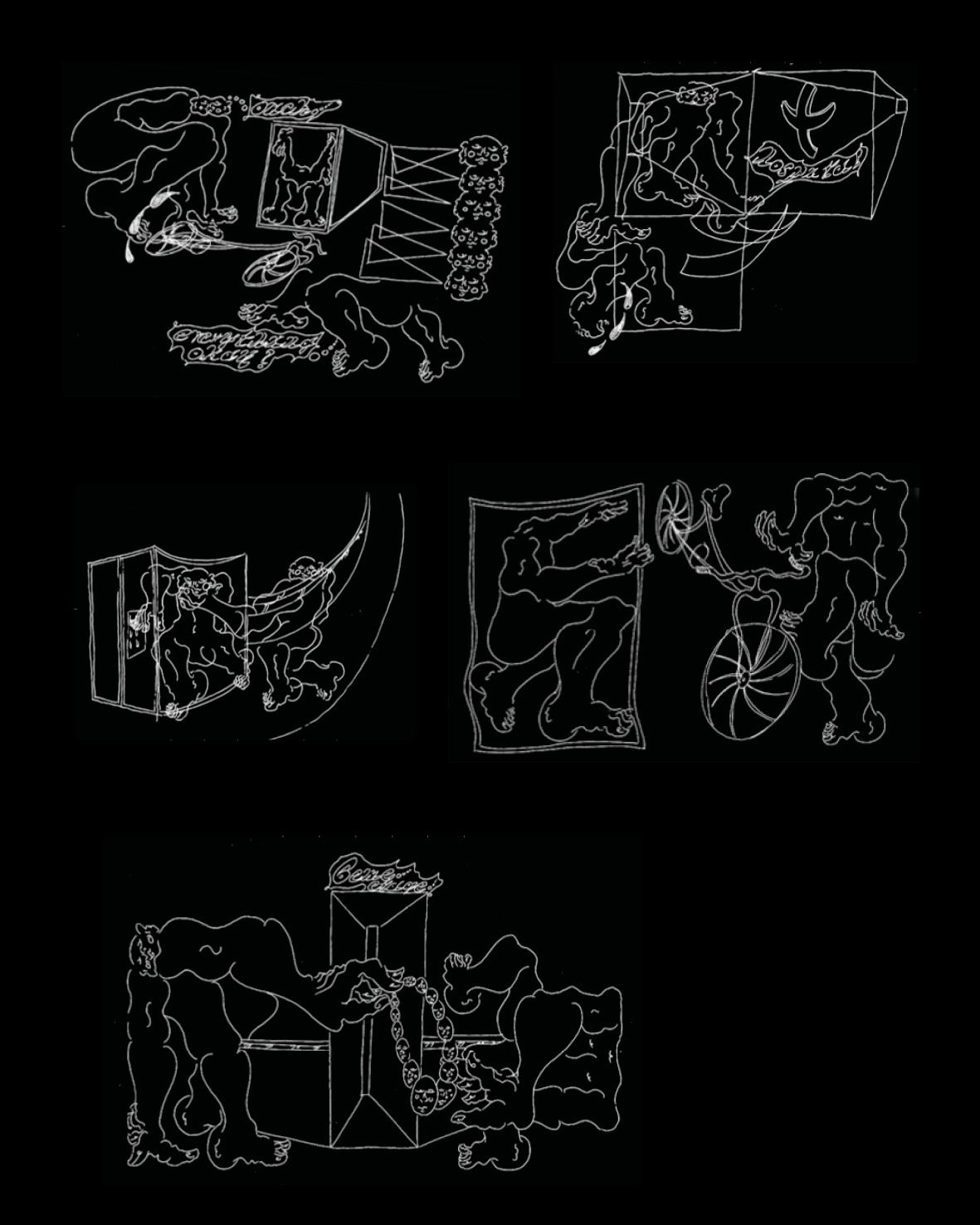
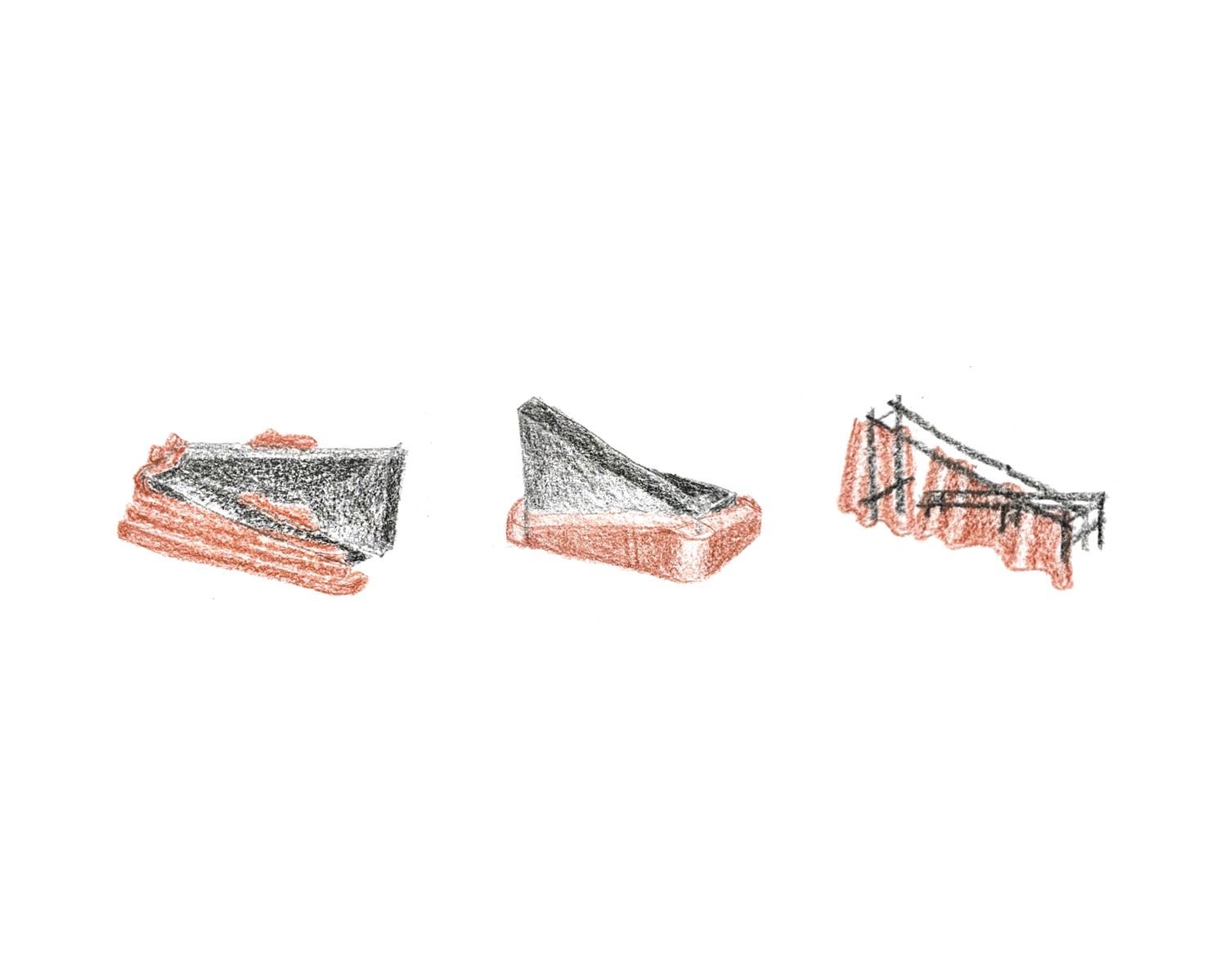
Using fiction as a project methodology, Bodies Within Interior Spaces, Troubling Domesticities examines these mutations by observing and exploring spatial narratives of domesticity through which the modern notion of normalcy is articulated and imposed upon bodies. The course approaches care work as a critical lens through which the architectural discipline’s broader assumptions about bodies, productivity, autonomy, and dependency can be questioned. Care worker bodies, often rendered invisible, feminized, racialized, or spatially constrained, are not treated as exceptional cases, but as revealing figures that expose the norms embedded in architectural spaces and the exclusions they produce. Each group of students will analyze the spatial condition of a prewritten movie scene, focusing on the biopolitics embedded within the walls of the home. By translating and transforming this narrative into an interior public space in Geneva, students will propose alternative spatial narratives that challenge dominant architectural imaginaries and articulate new forms of collective care, bodily interdependence, and subjectivity beyond the privatized domestic realm.
Workshop Tutor: Paule Perron
Adamia Zizi, Mara Van Damme, Maria Andra Urzica, Fanny Hemidi, Jeremy Troilo, Maevia Griffiths, Paul Rigal, Emilie Liechti, Lisa Divorne, Luna Clertan, Annie Bornet, Axelle Joyau, Marine Fouillade, Diana Escalante, Mahiro Mortia, Tina Mirbaba
© HEAD – Genève, Robin Delerce, Paule Perron