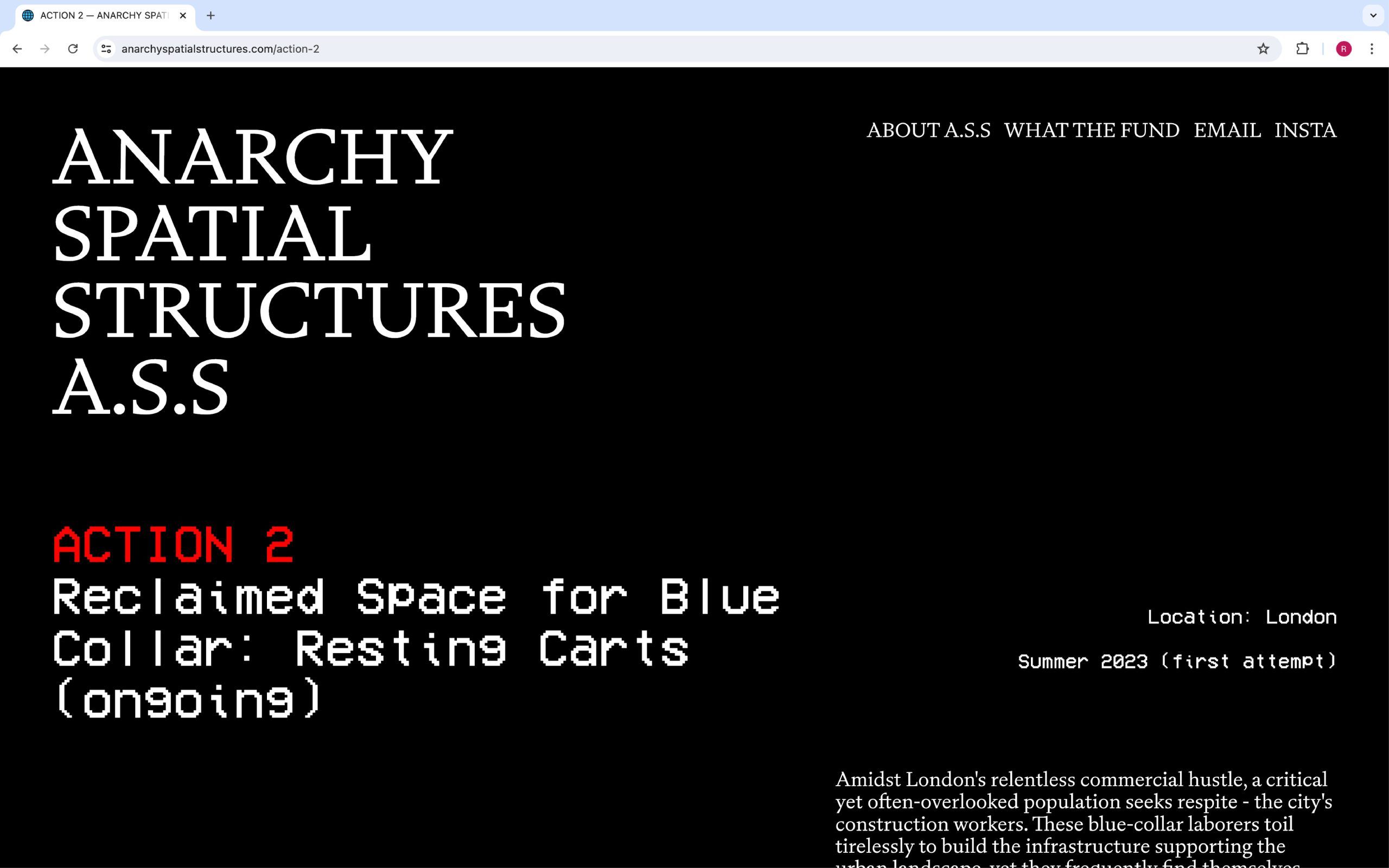
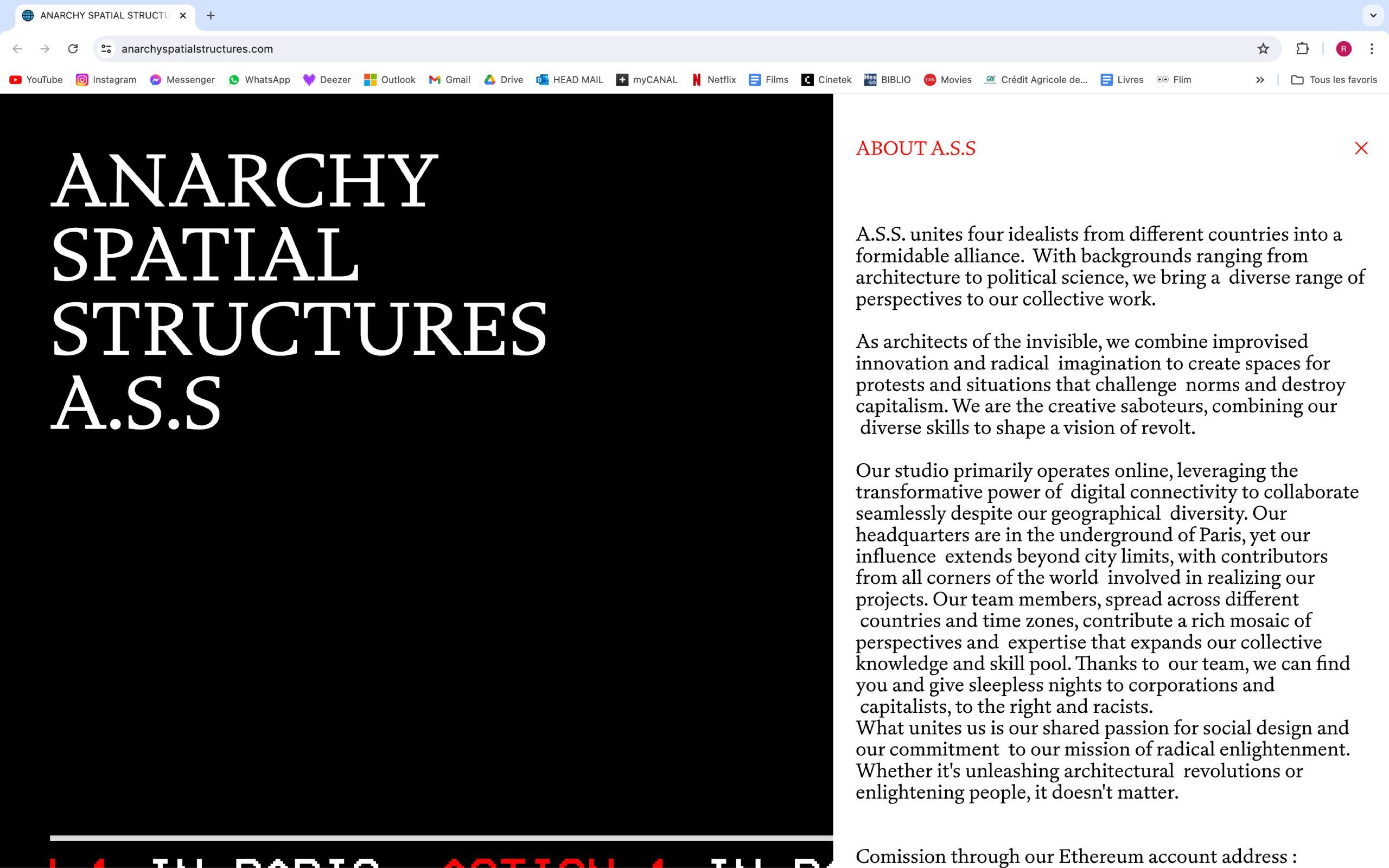
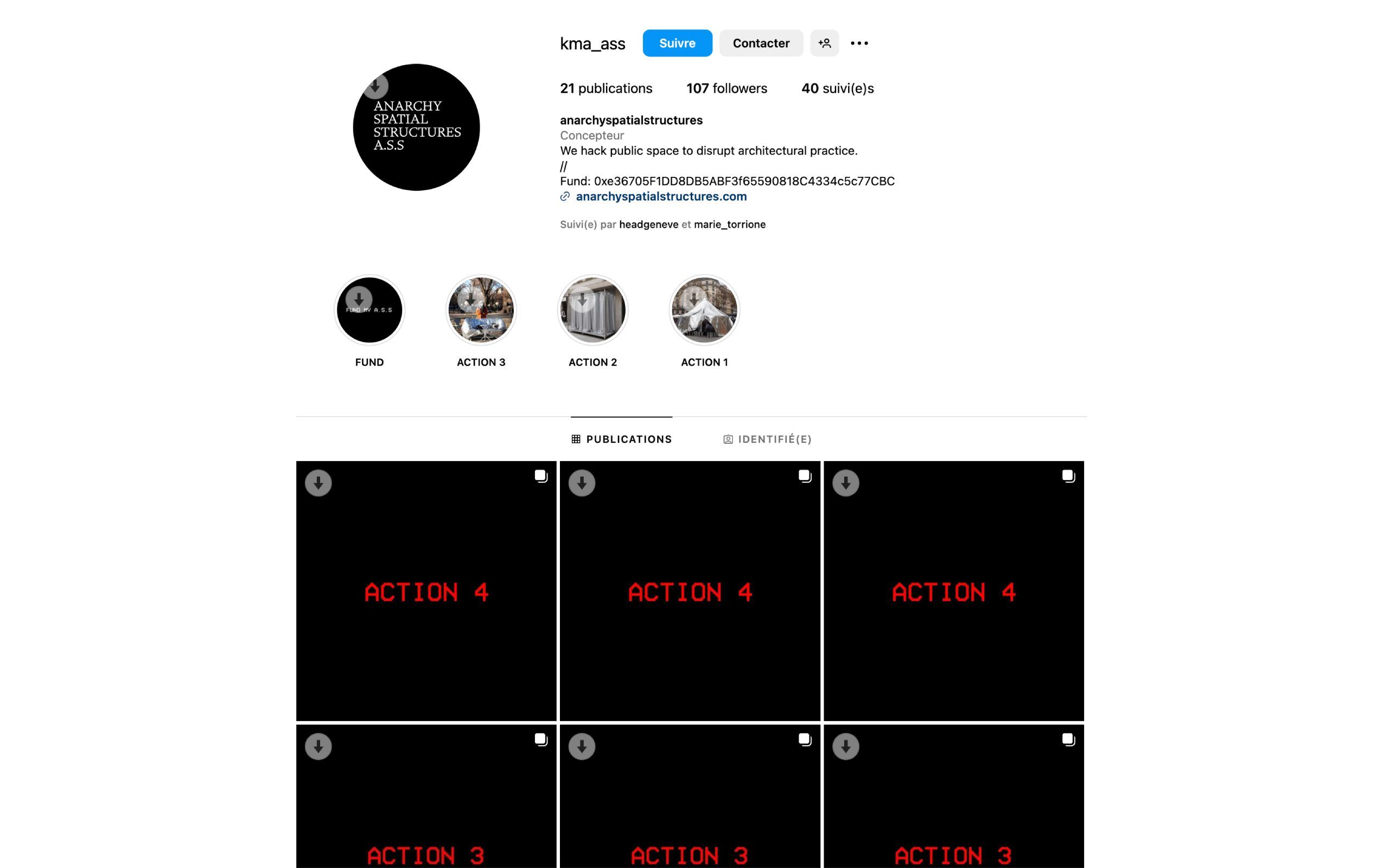
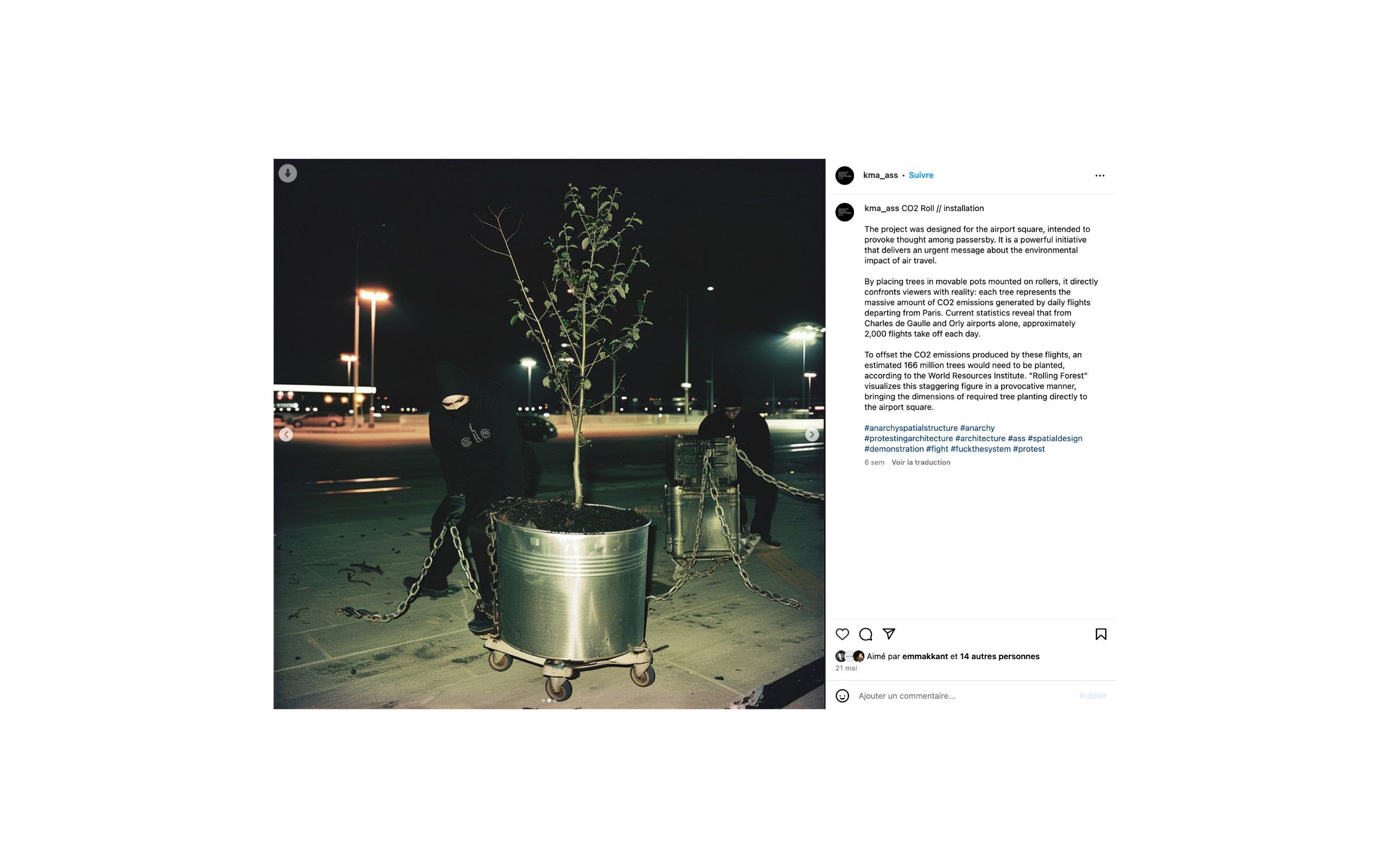
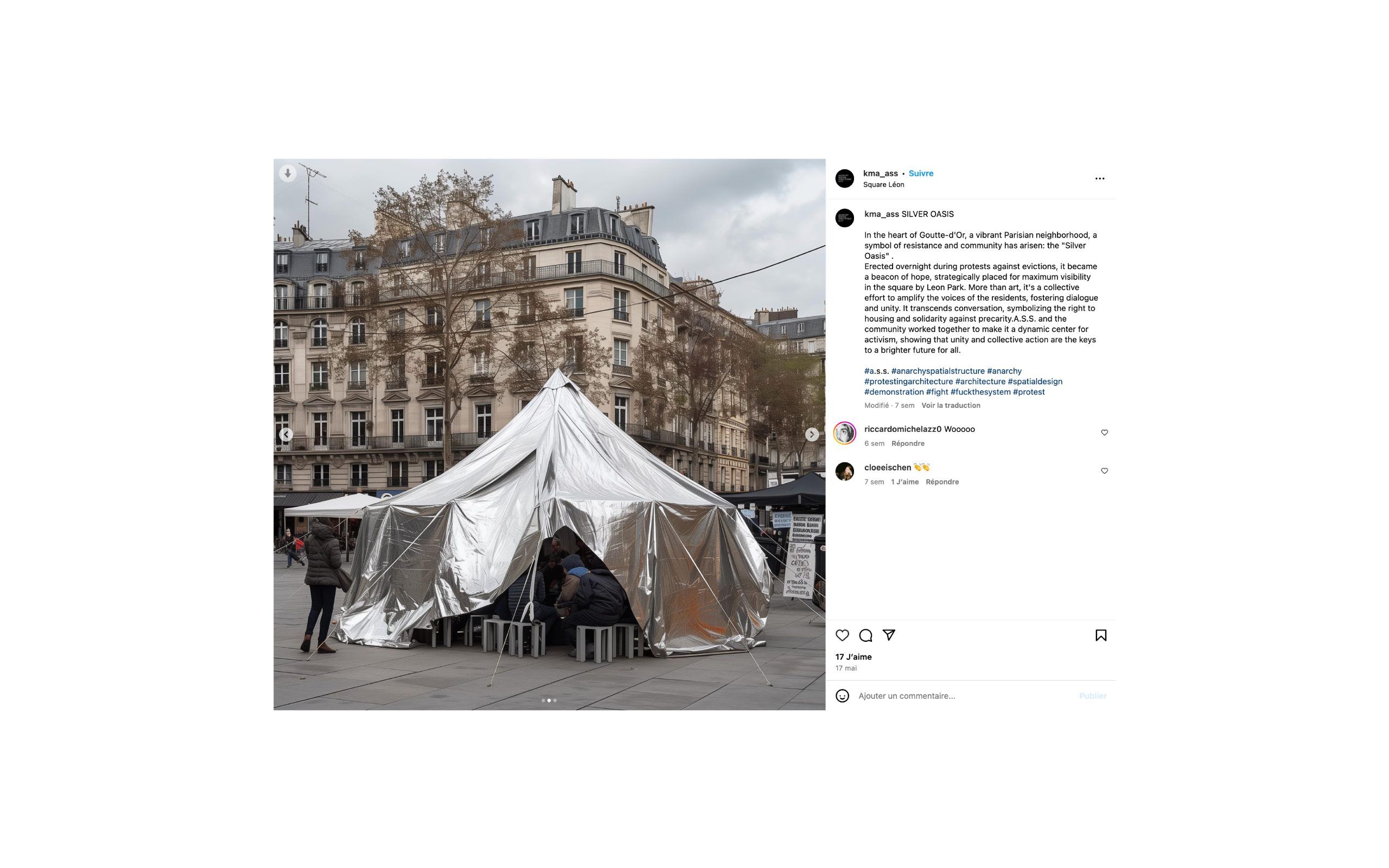
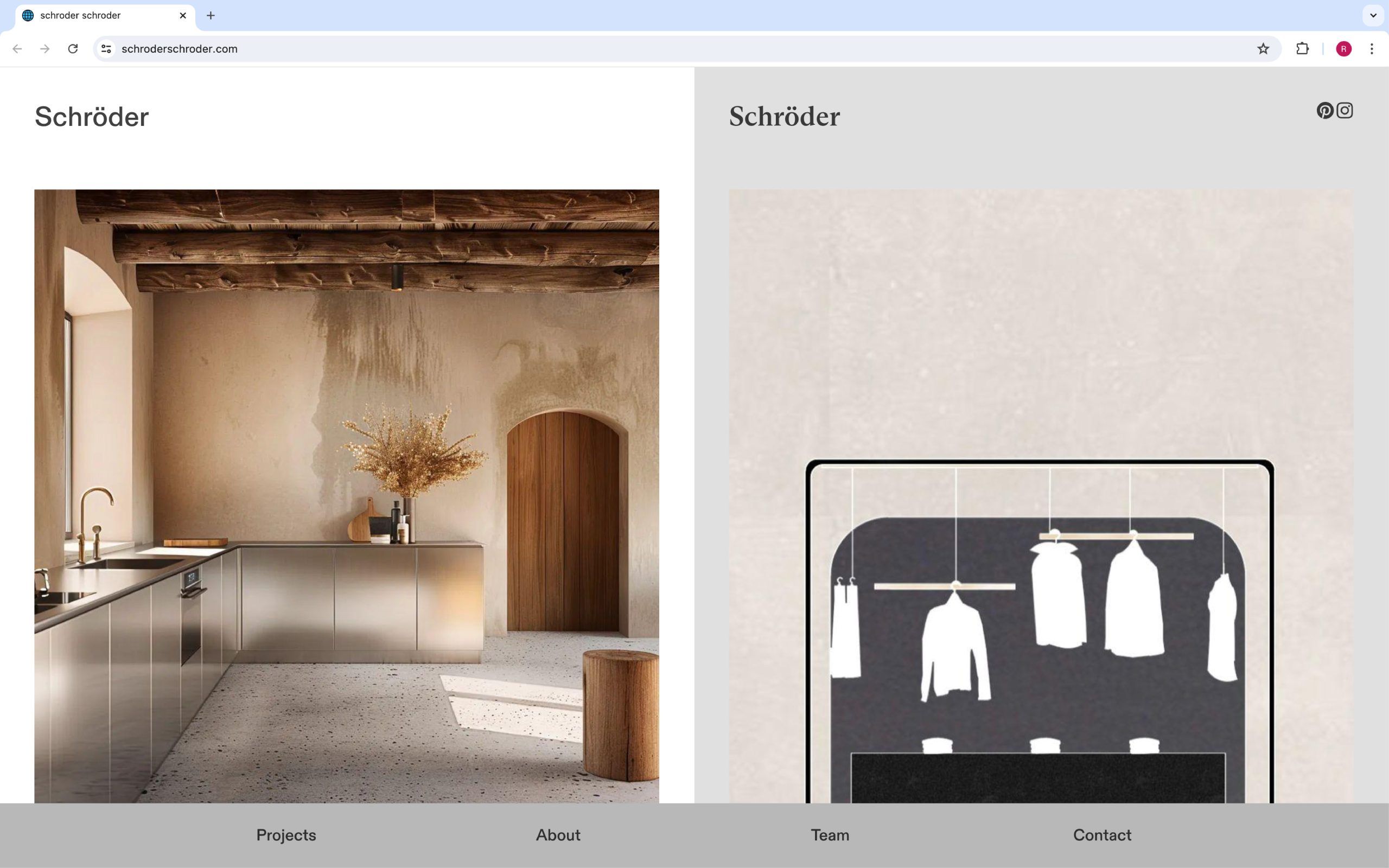
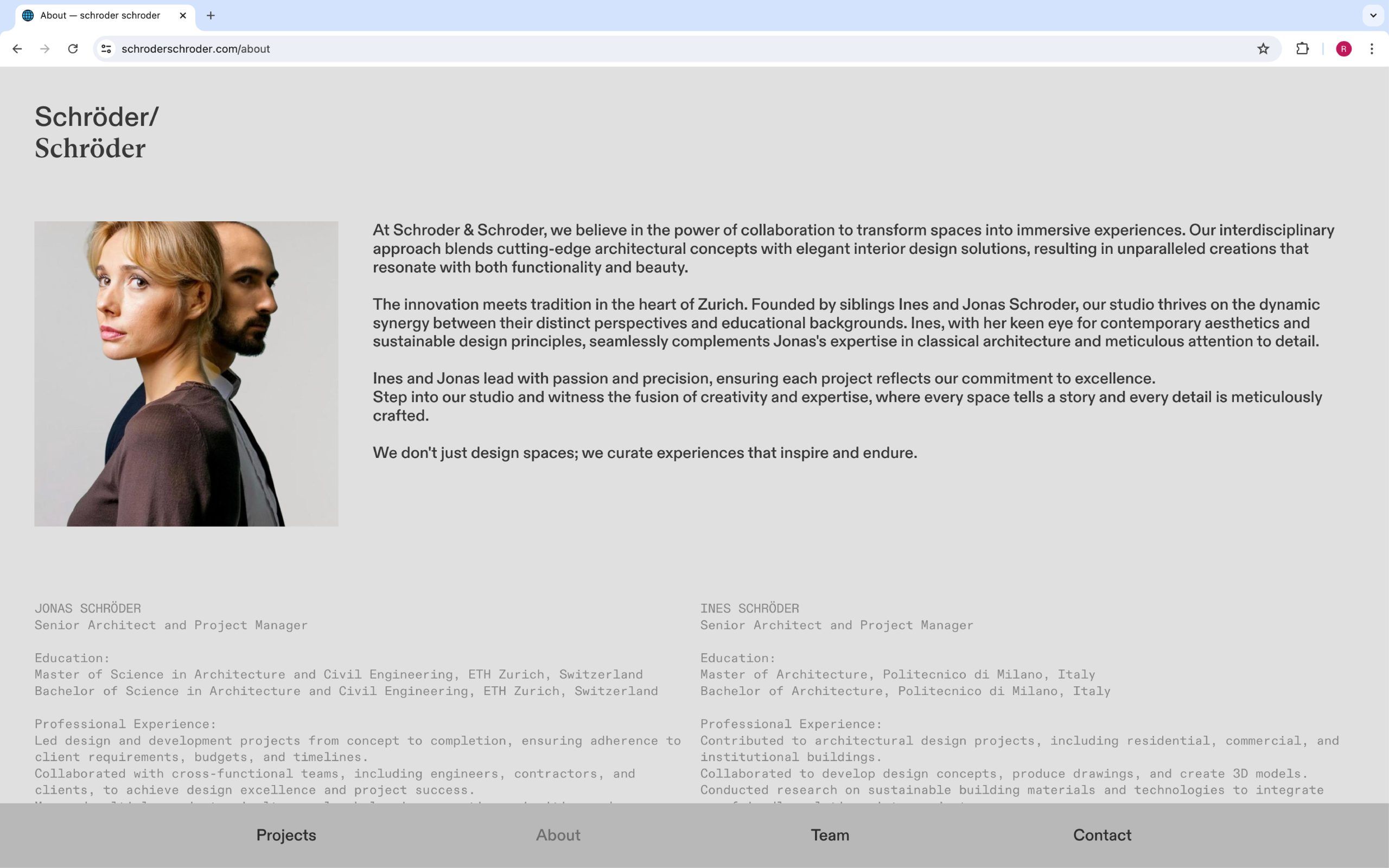
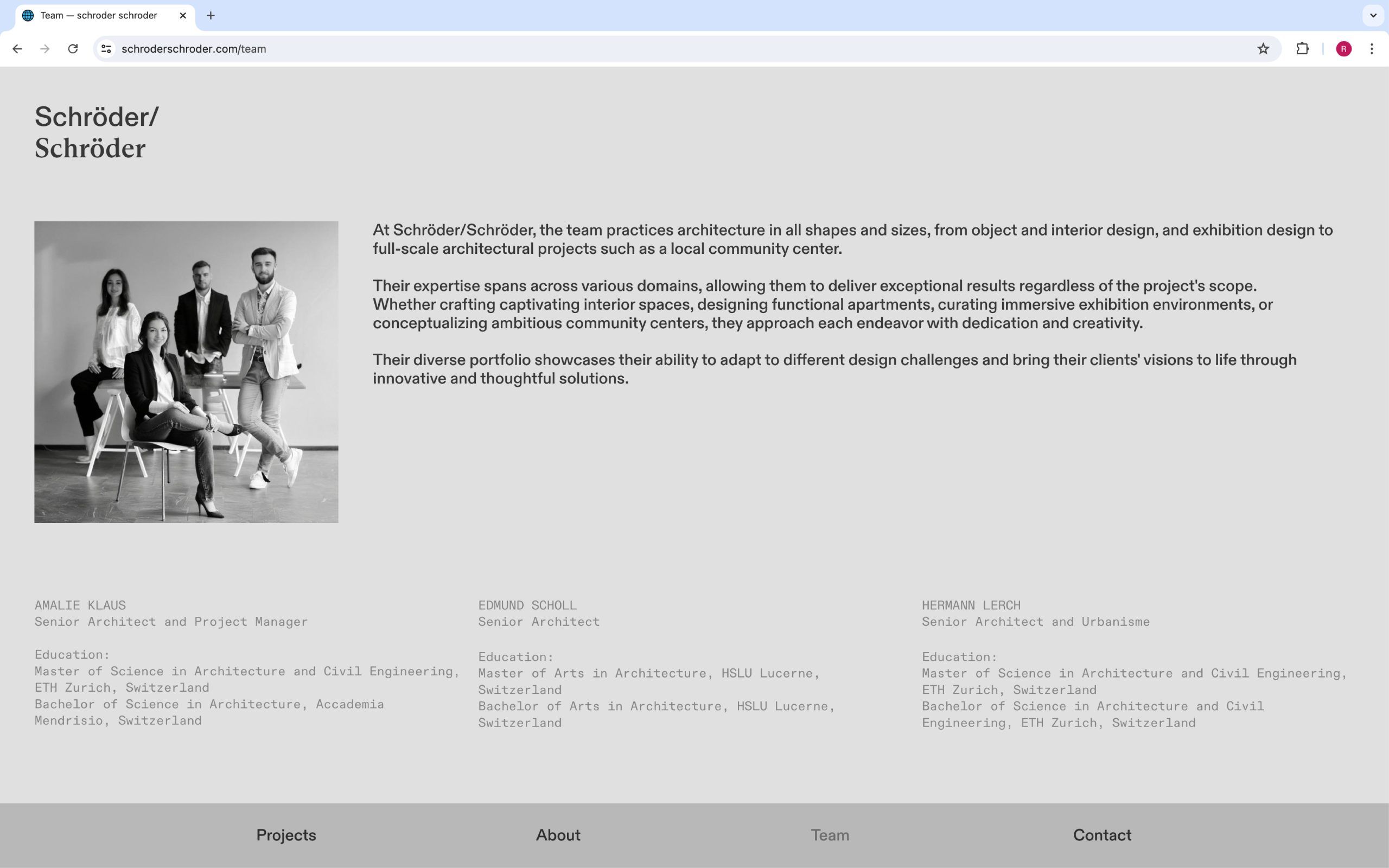
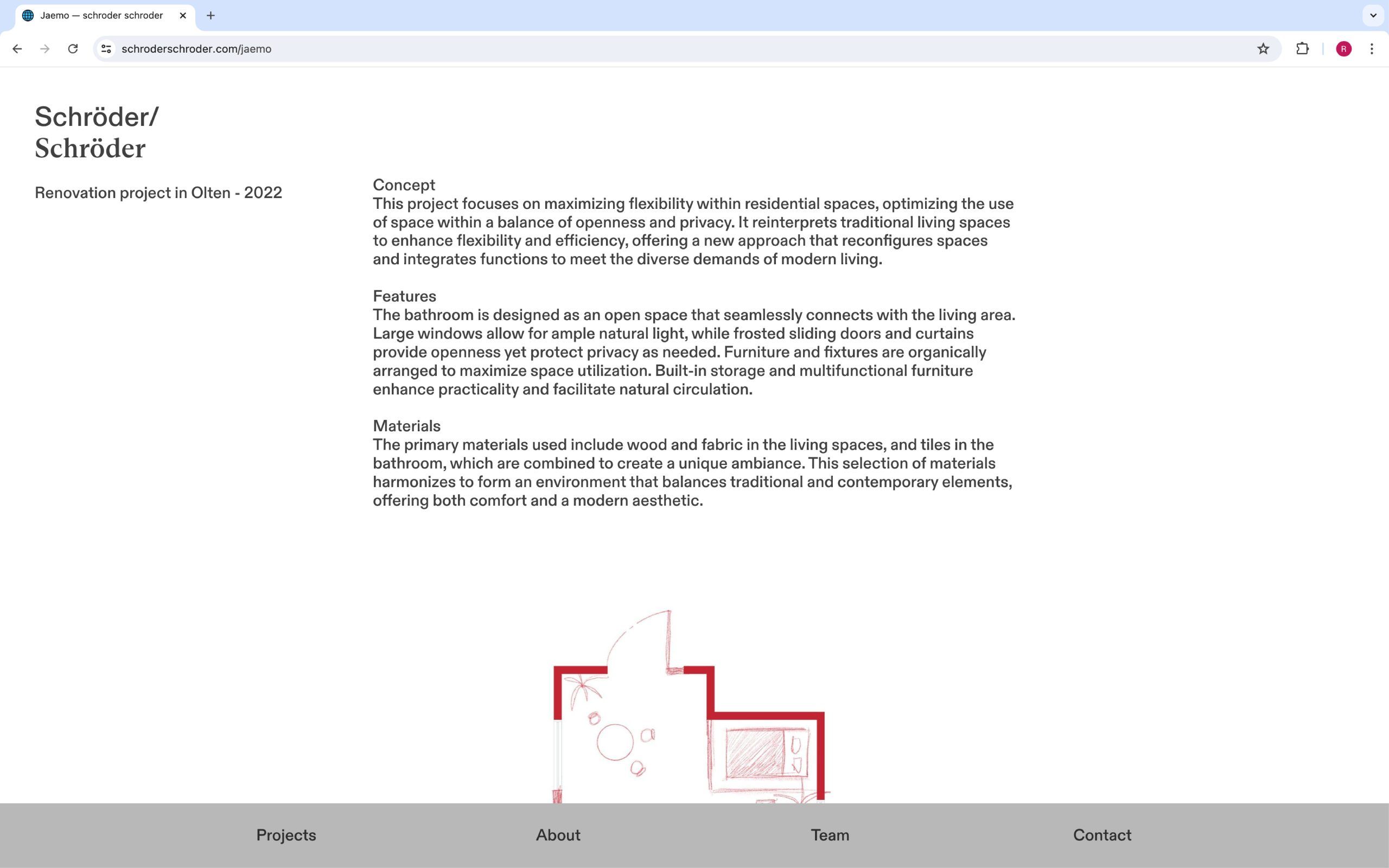
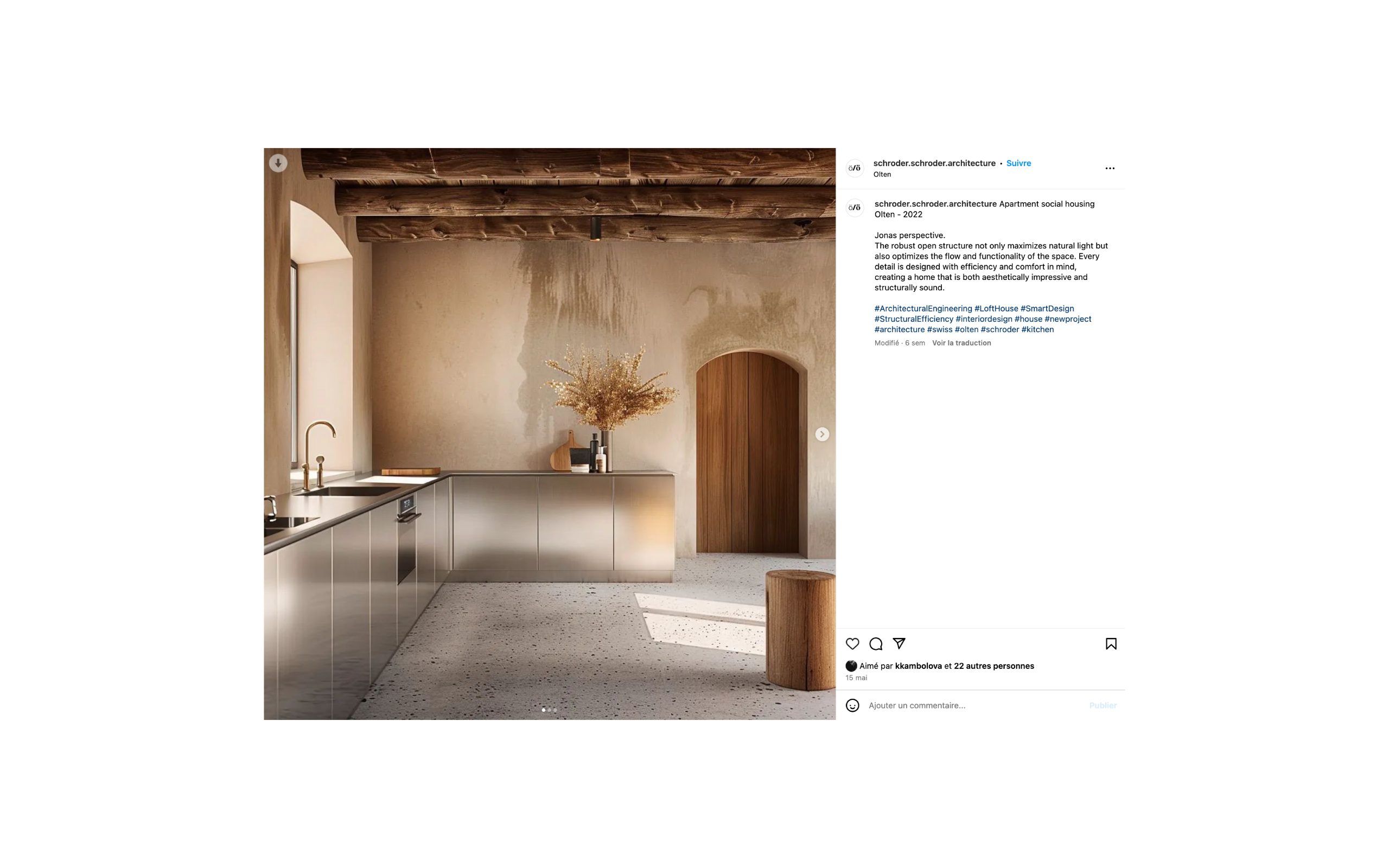
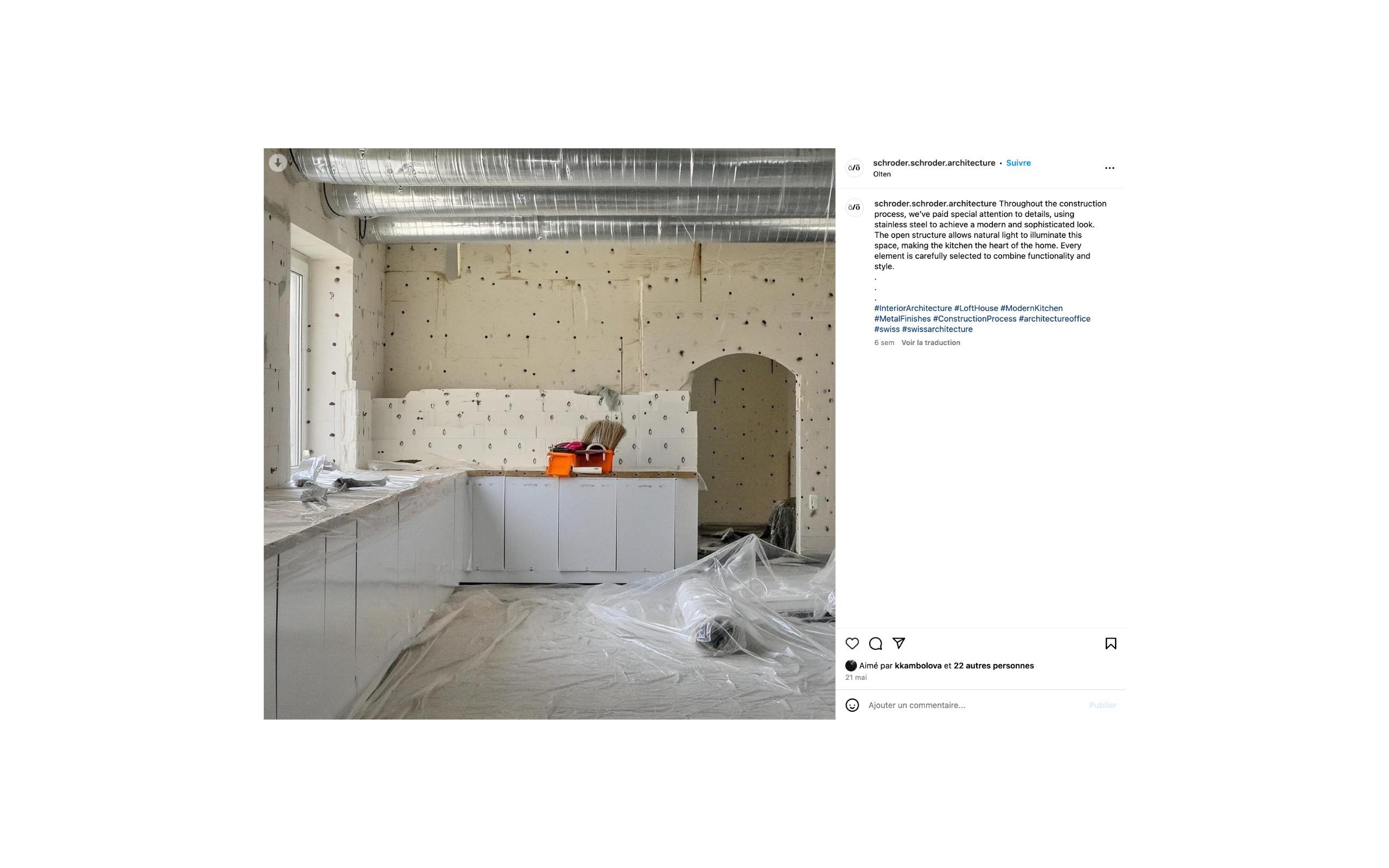
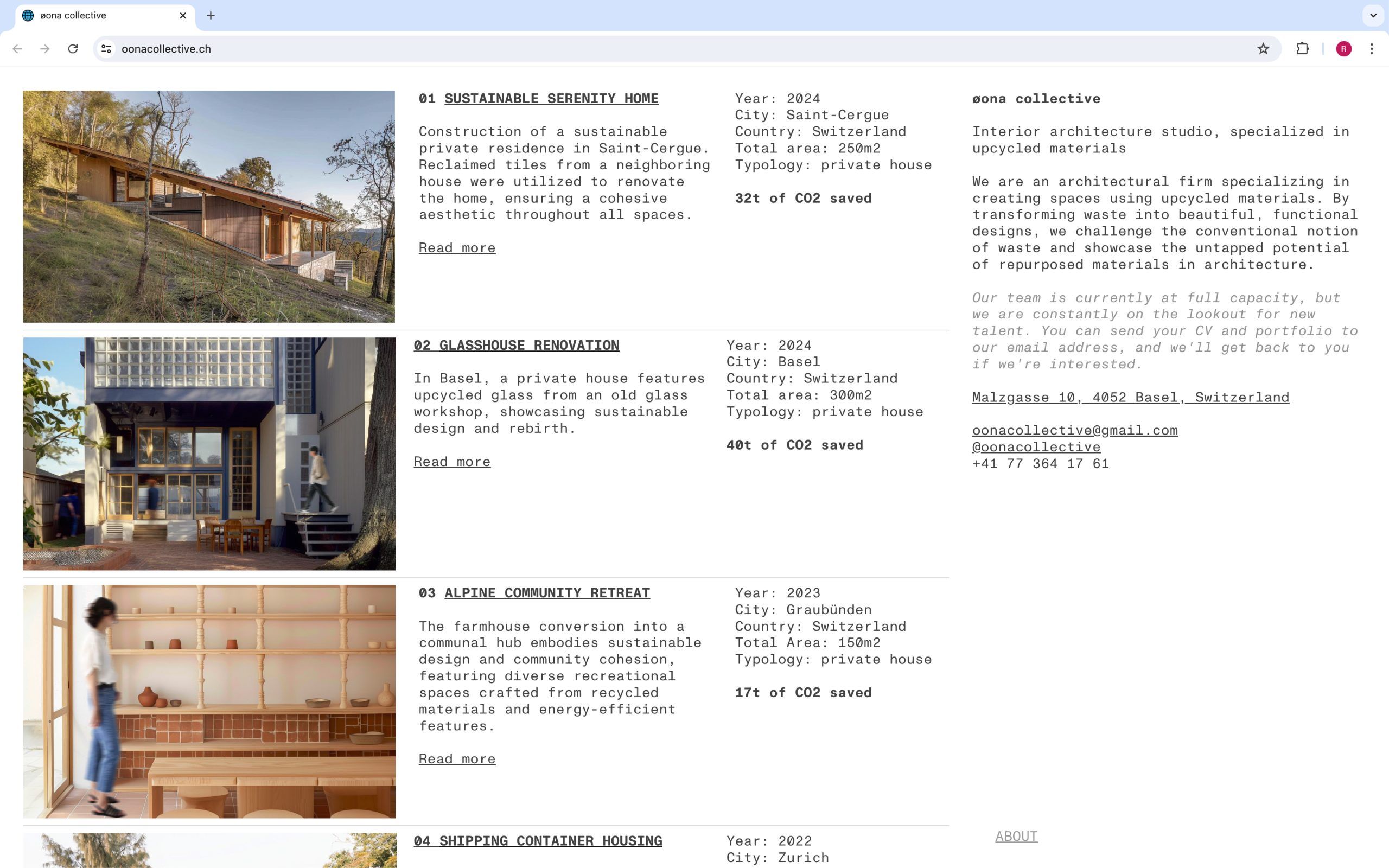
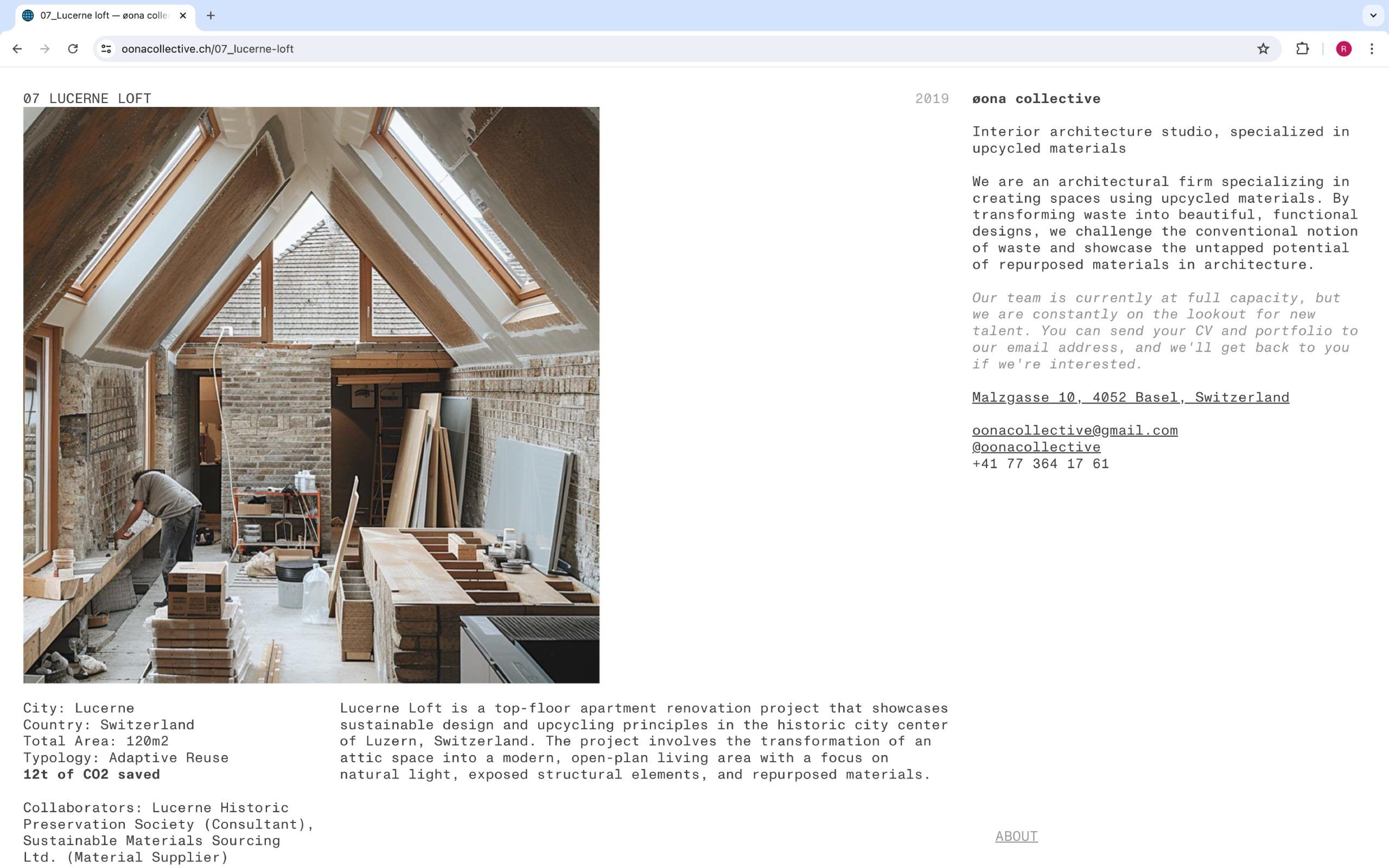
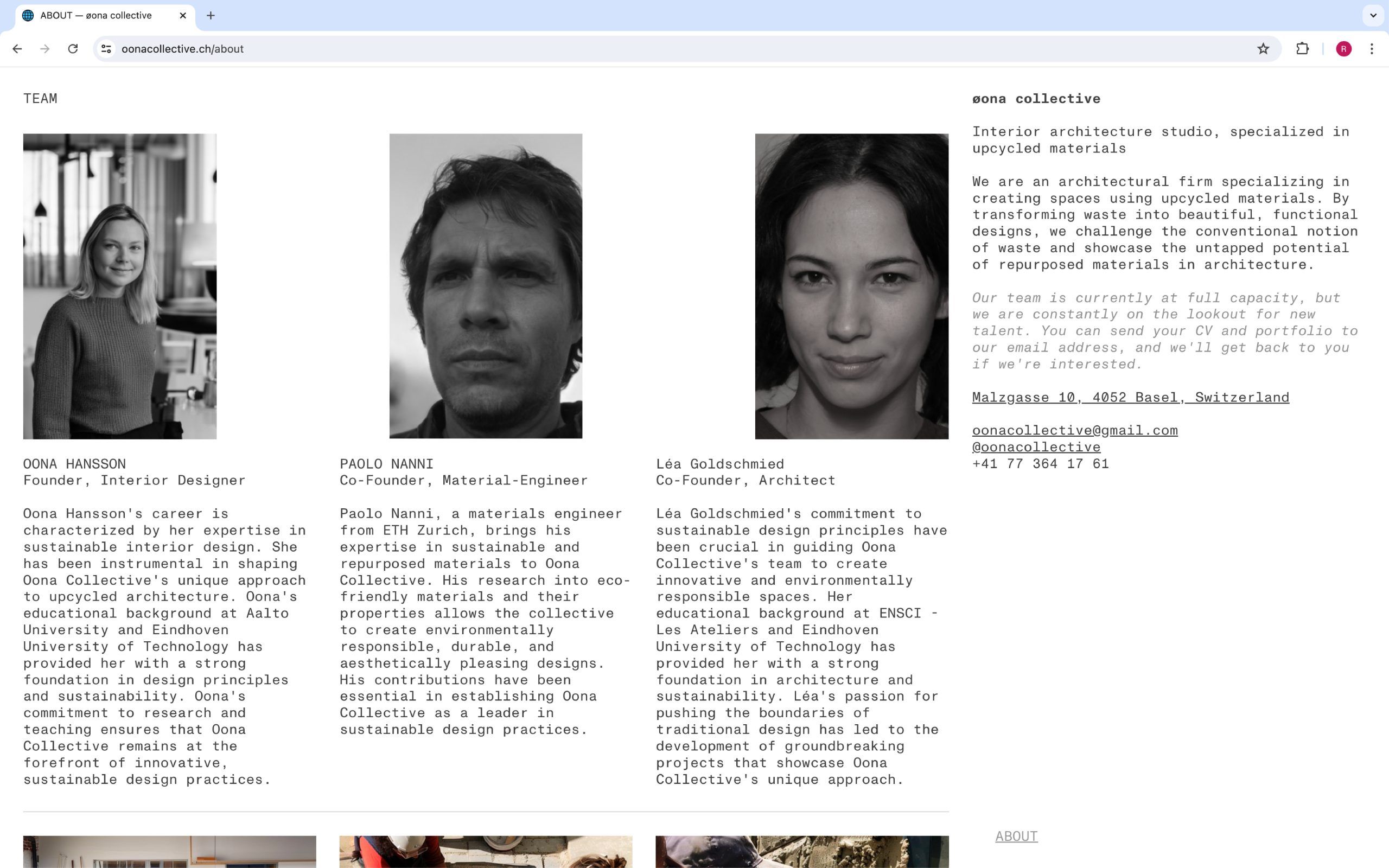
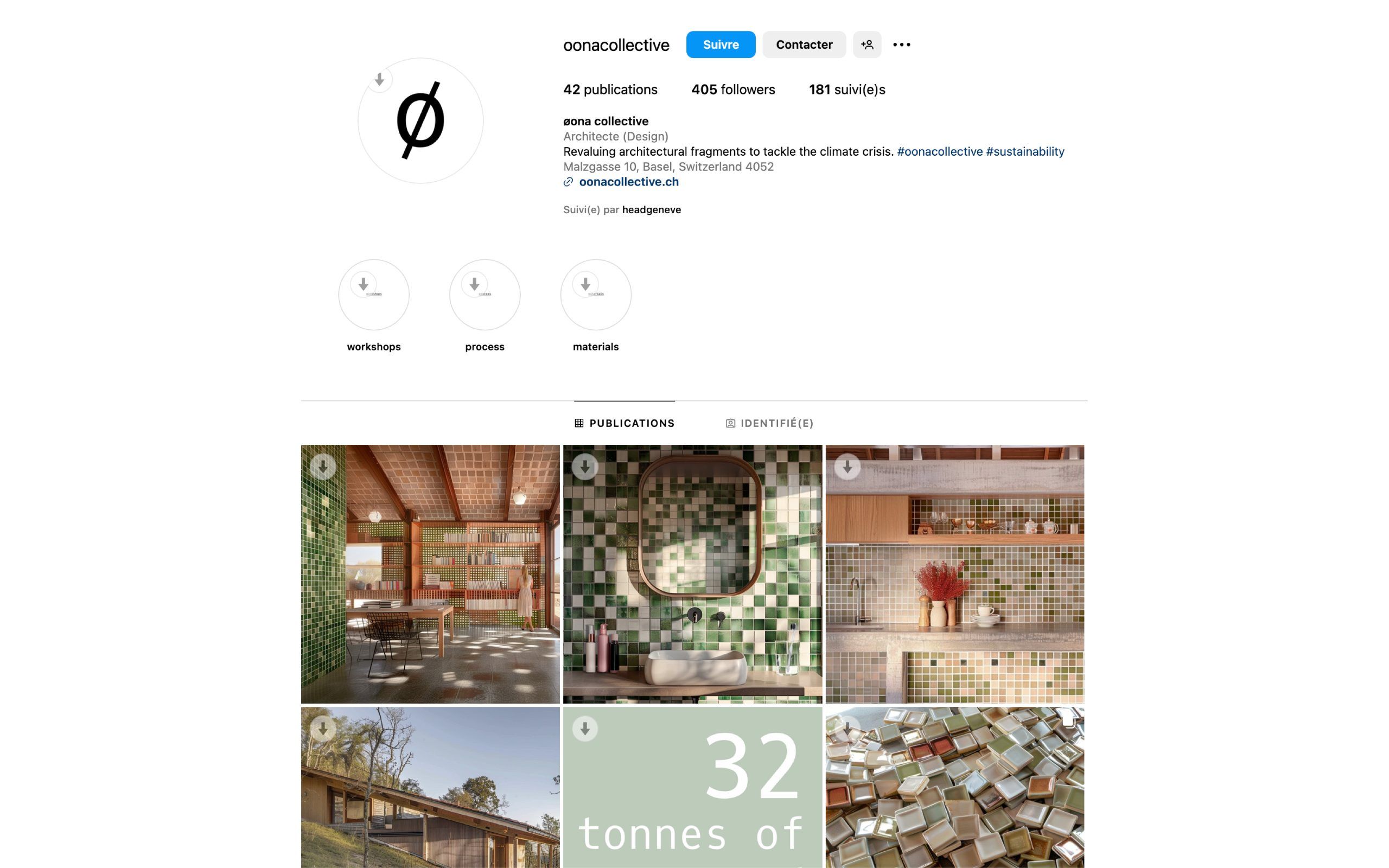
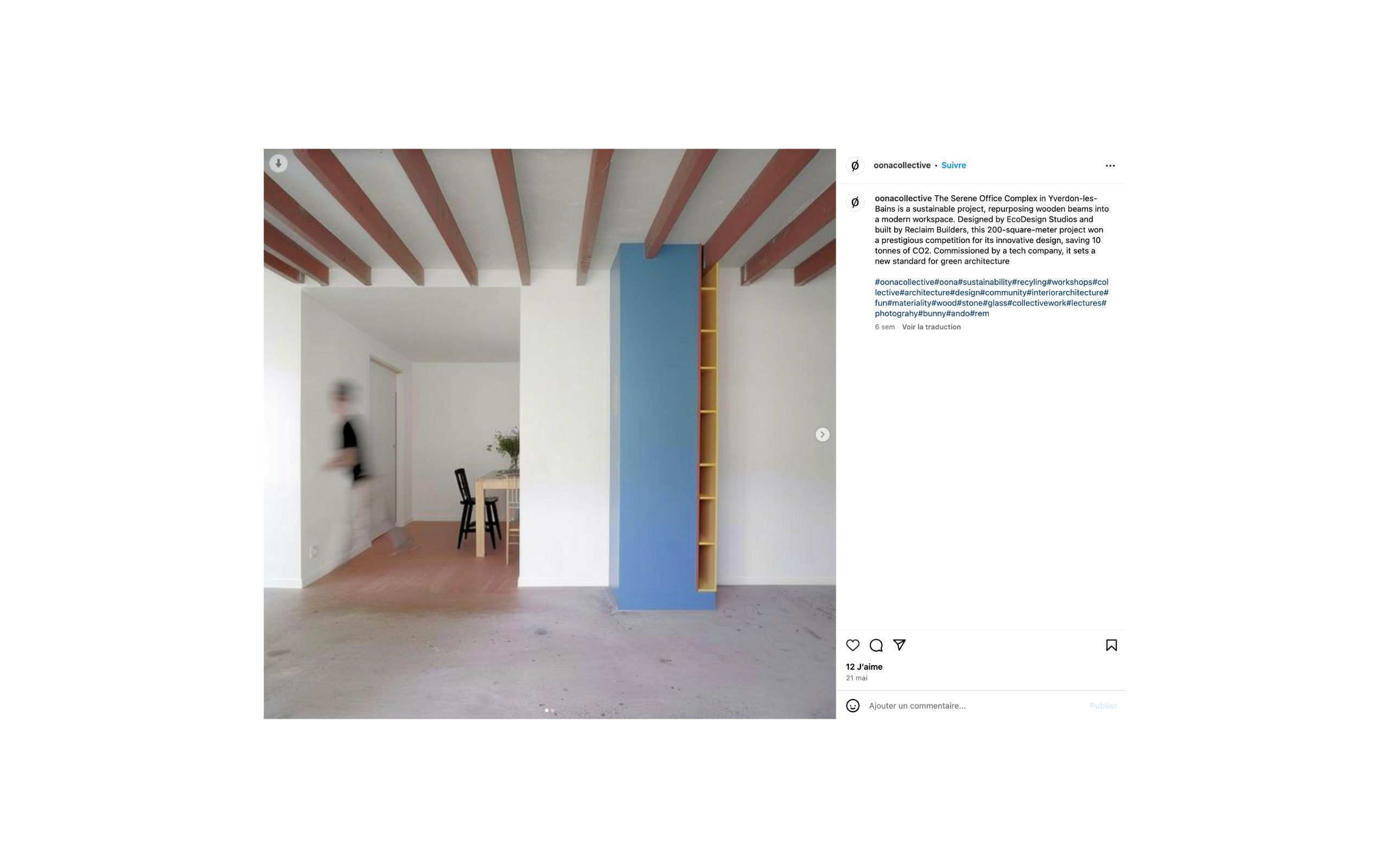
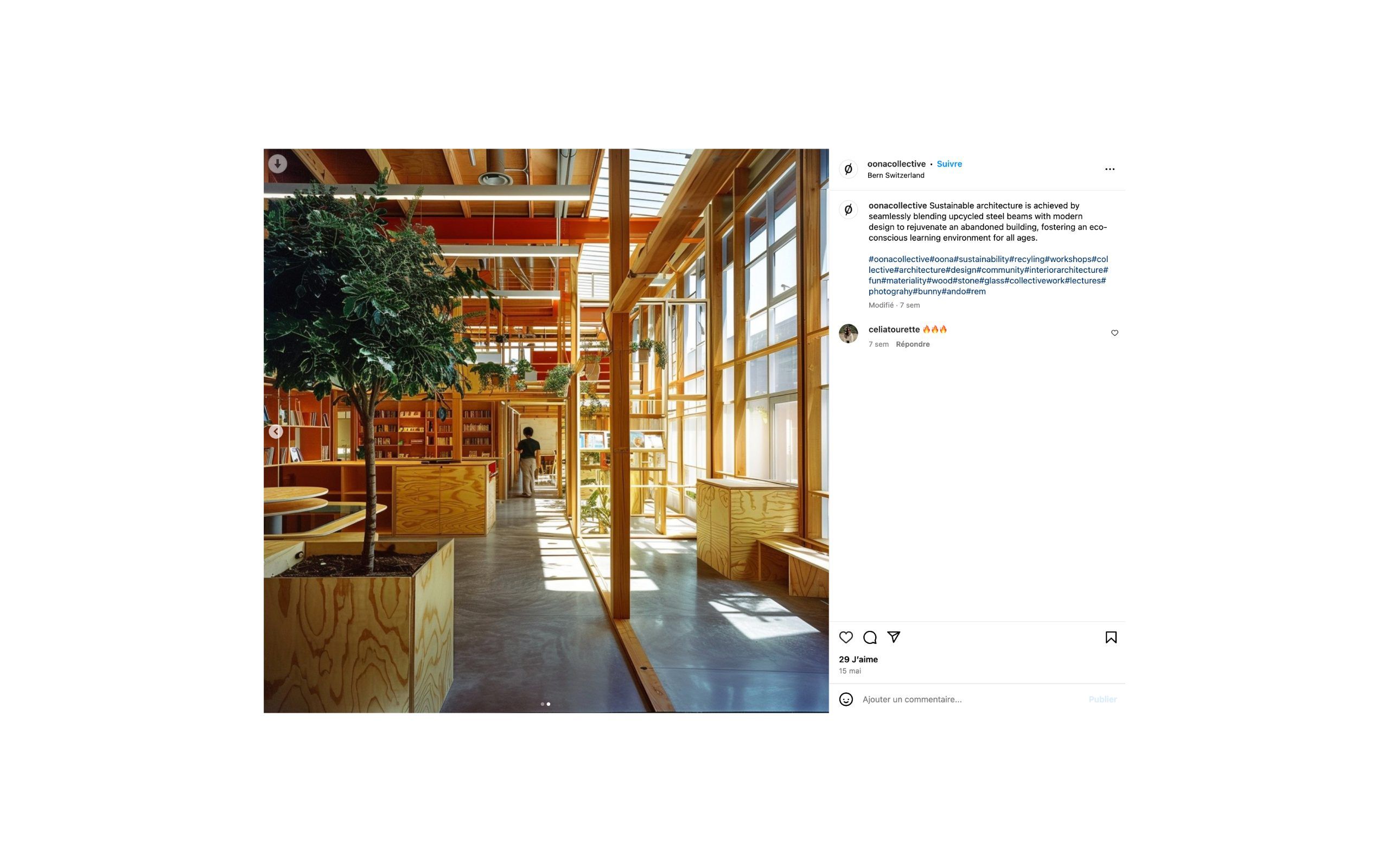
With the advancement of digital technologies, especially generative AI, big data analysis, and deep fakes, interior architecture has shifted from construction to media. This shift has created a new digital ecology that blurs the lines between what is considered real—the physical—and what has historically been considered fake—the virtual. This project aims to explore these entanglements by utilizing generative AI to expedite design processes.
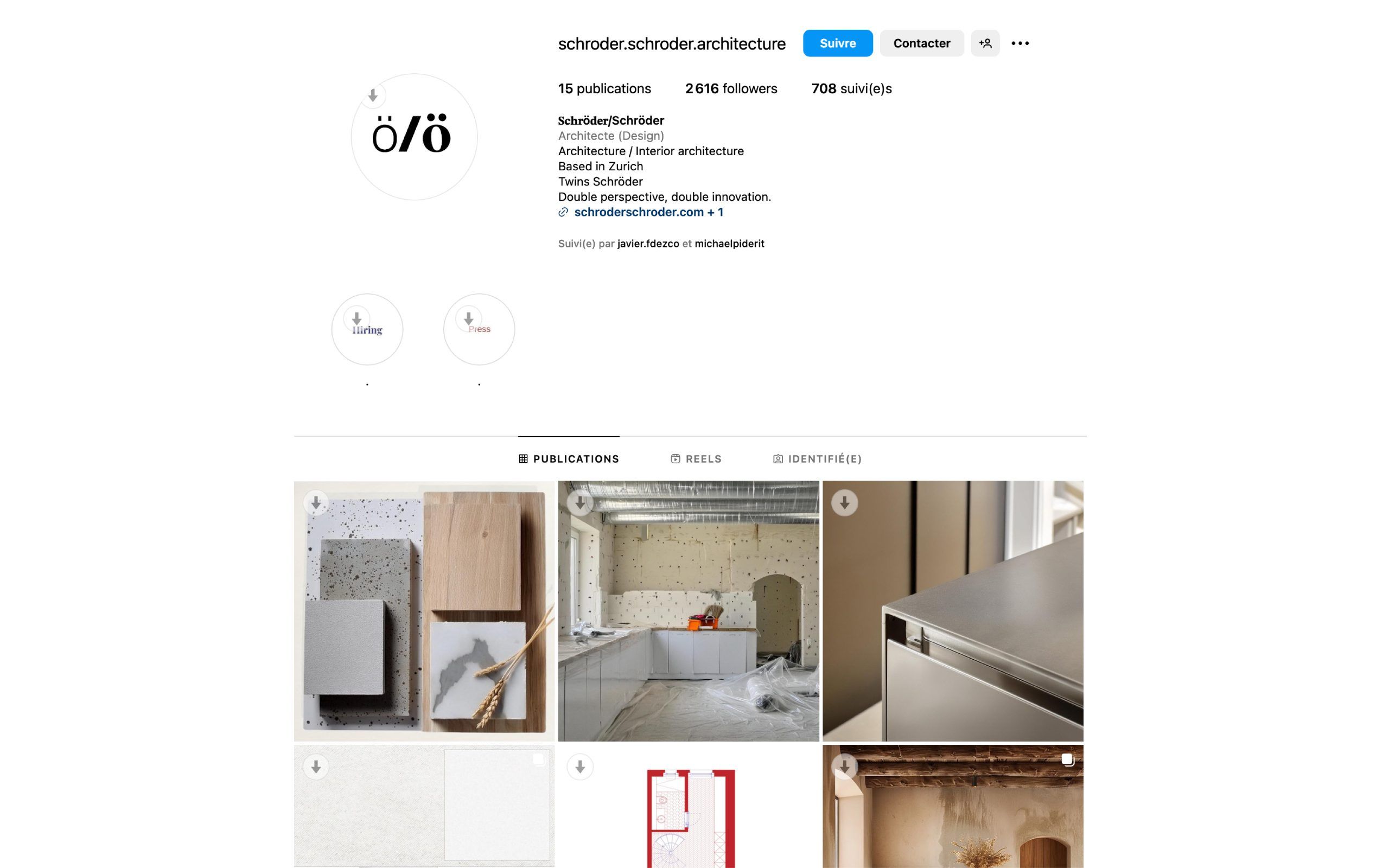
The challenge is to establish fictional yet believable architecture offices that gain recognition within a few days by exclusively using AI-generated content. To achieve this, MAIA students need to: conceive a storyline for the office, design a website presenting the office and its projects, create profiles of fictitious architects with resumes and professional backgrounds, design simulated built projects to enrich the agency’s portfolio, develop a social media presence on different platforms, and publish fabricated press articles that discuss the office, thereby increasing its visibility and credibility.
Three AI-generated architecture offices were created in one week:
Methodologically, Architectural Hack explores the transformation of the architectural profession, which has always required teamwork, a structured environment, and technological mediation. Recently, public AI services (ChatGPT, Midjourney, etc.) have enabled the handling of tasks previously assigned to humans and promise to accelerate the production time of design projects. Similarly, skills such as using document-sharing services (cloud, intranet, etc.) and organizing internal files have become crucial to ensuring effective work. More broadly, the project illustrates how autonomy in finding information through tutorials and web resources is entangled with collective design processes in AI-mediated environments.
Teacher: Guillaume Helleu
Navya Balakrishnan, Sawako Bolch, Emma Canton, Larisa Coman , Cloé Eischen, Mariia Fomina, Frida Law, Jaemo Lee, Giada Pettenati, David Röder, Sofia Tapia Buchelli, Célia Tourette, Ana Karina Zepeda Aranda, Kambolova Kristina
© HEAD – Genève