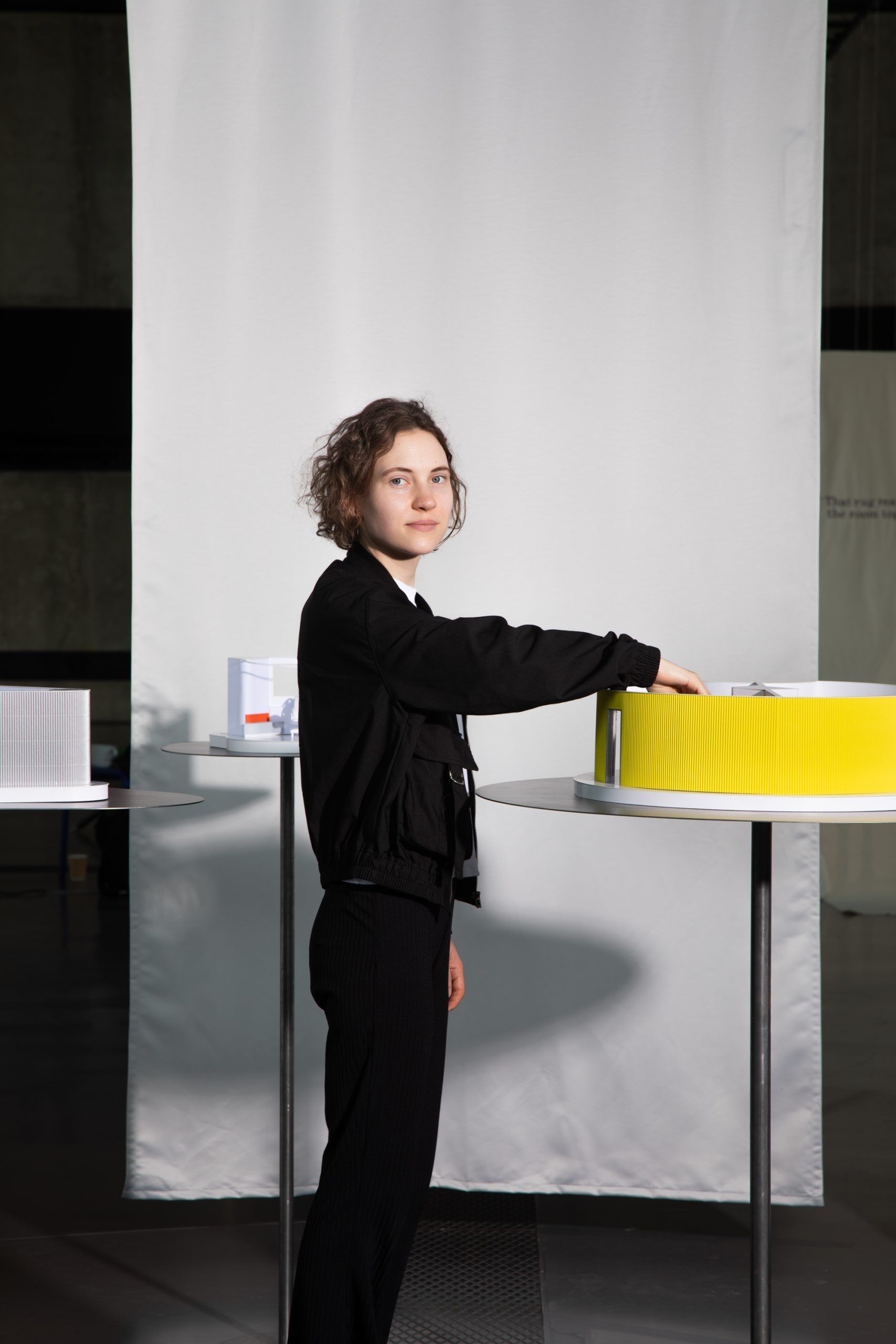
Vilma Hubalek is an Austrian-German interior architect. Her work mainly investigates how interior spaces affect our mental and physical well-being, particularly in times of ecological crisis. Vilma obtained her Bachelor’s degree in interior architecture from Hochschule Mainz. During her Bachelor’s studies, she also completed one semester at Ecole Boulle’s DSAA program Territoires habités.
She joined the MAIA program at HEAD – Genève particularly to further explore her interest in research, which she was able to do in the context of her master’s thesis on waiting rooms in hospitals. She was selected to present this research as part of the Junior Design Research Conference 2023 at HEAD – Genève. Recently, she has deepened her knowledge in healthcare architecture by participating in the European Network Architecture for Health’s summer school in 2023, as well as by attending numerous lectures and symposiums dealing with this topic. Vilma also participated in Milan Design Week 2021 with her Virtual Reality project Embrace.
Diploma Project
Hubs for Health
Breaking with a Hospital’s Rigid Grid
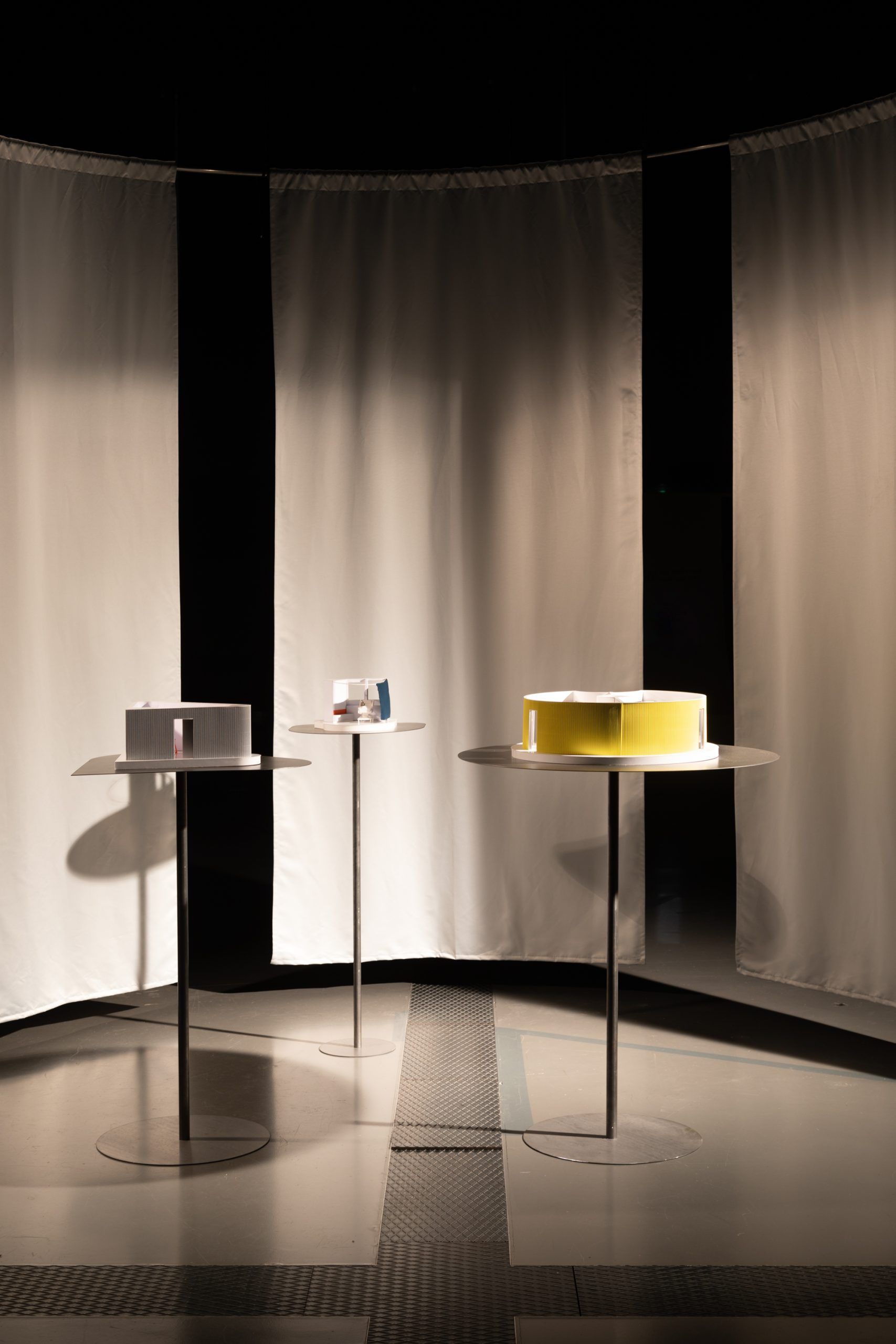
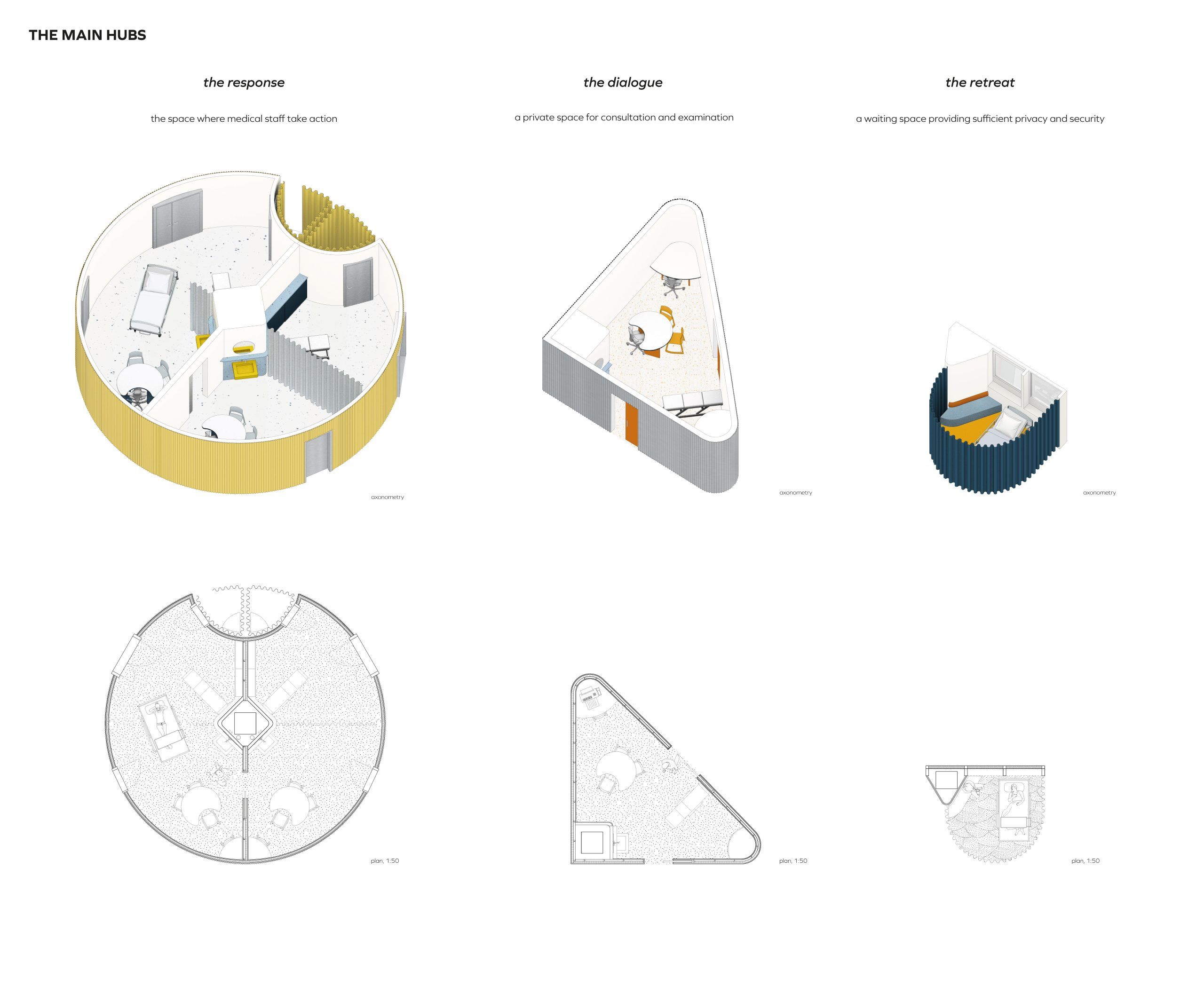
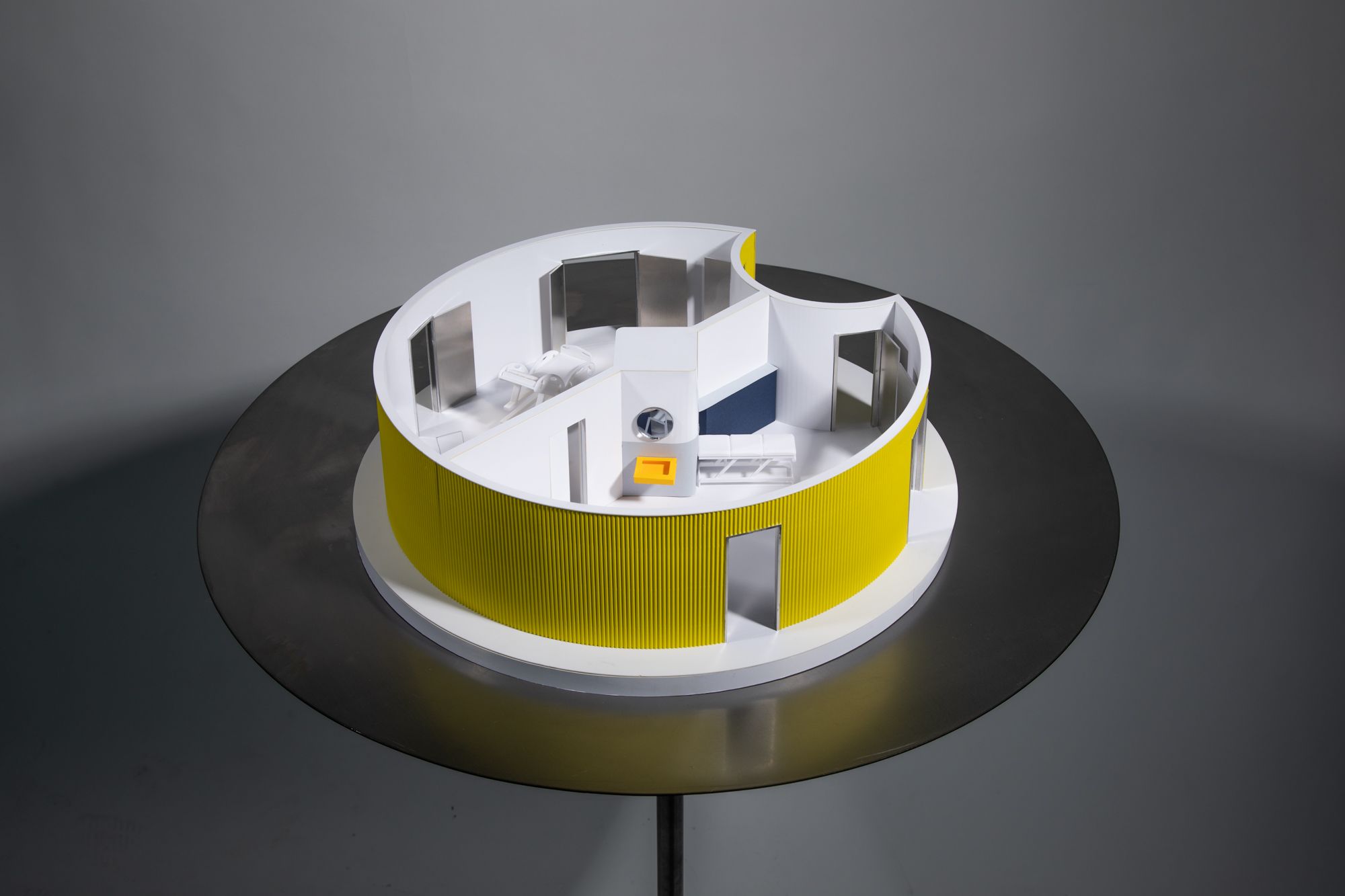
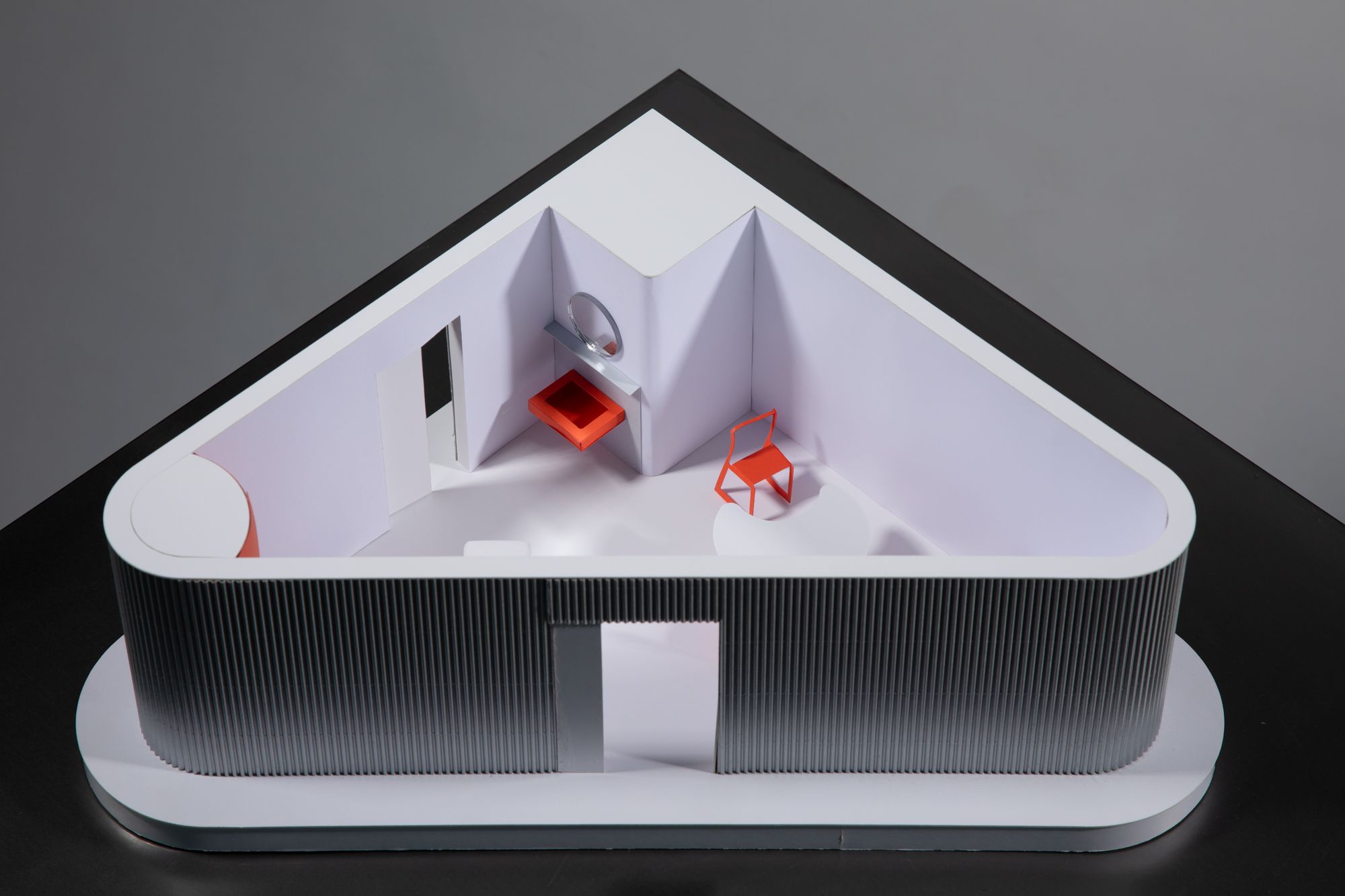
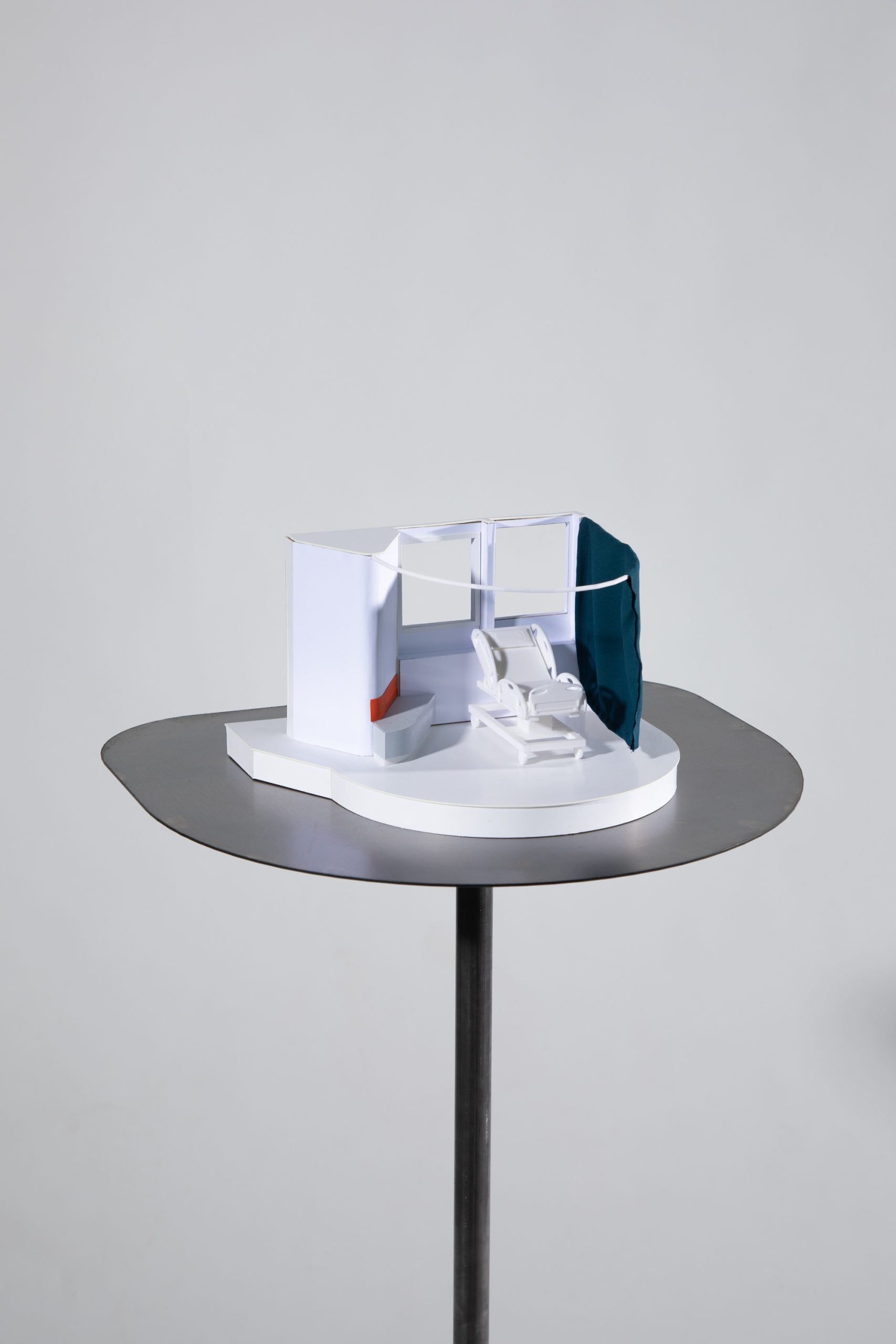
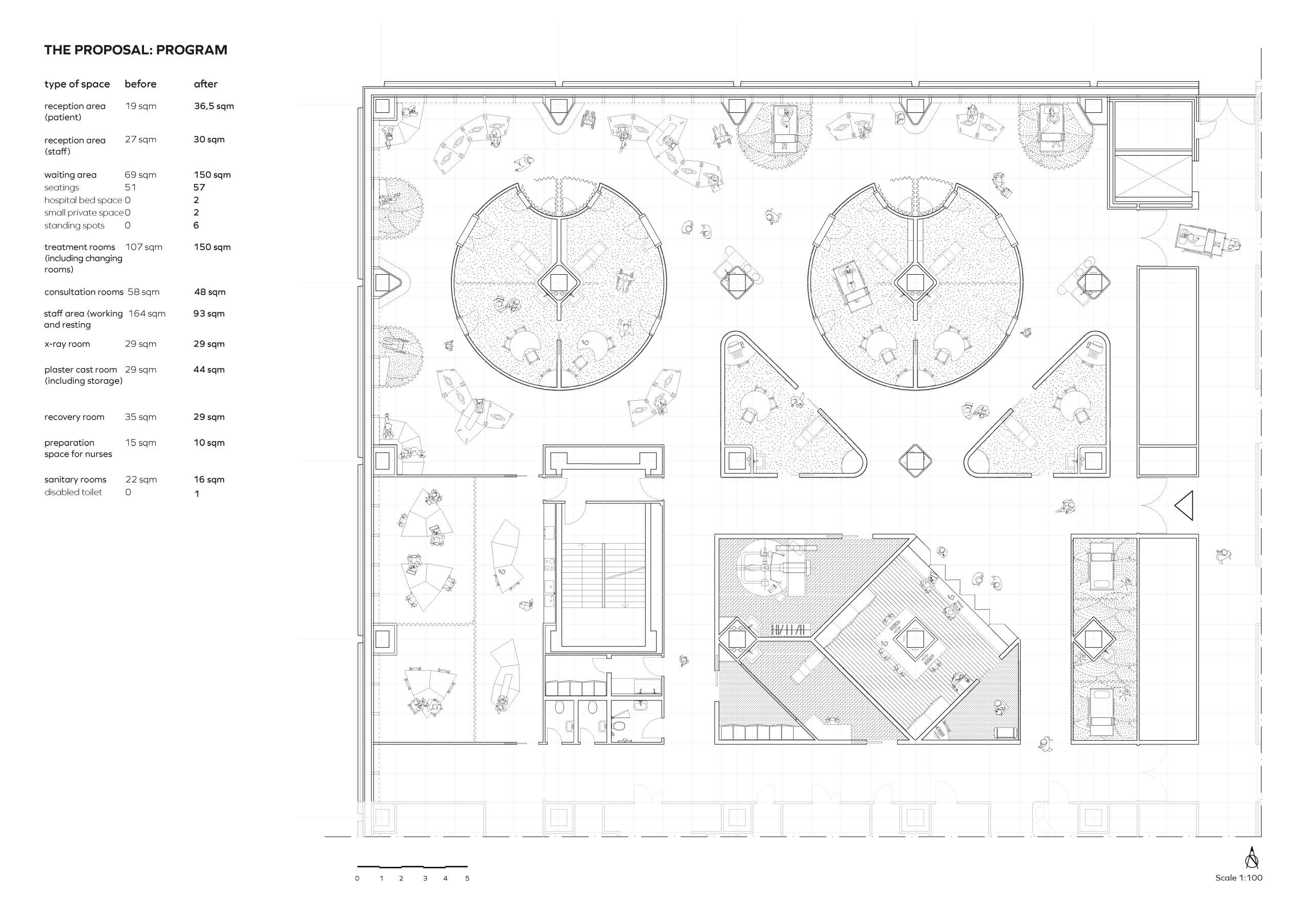
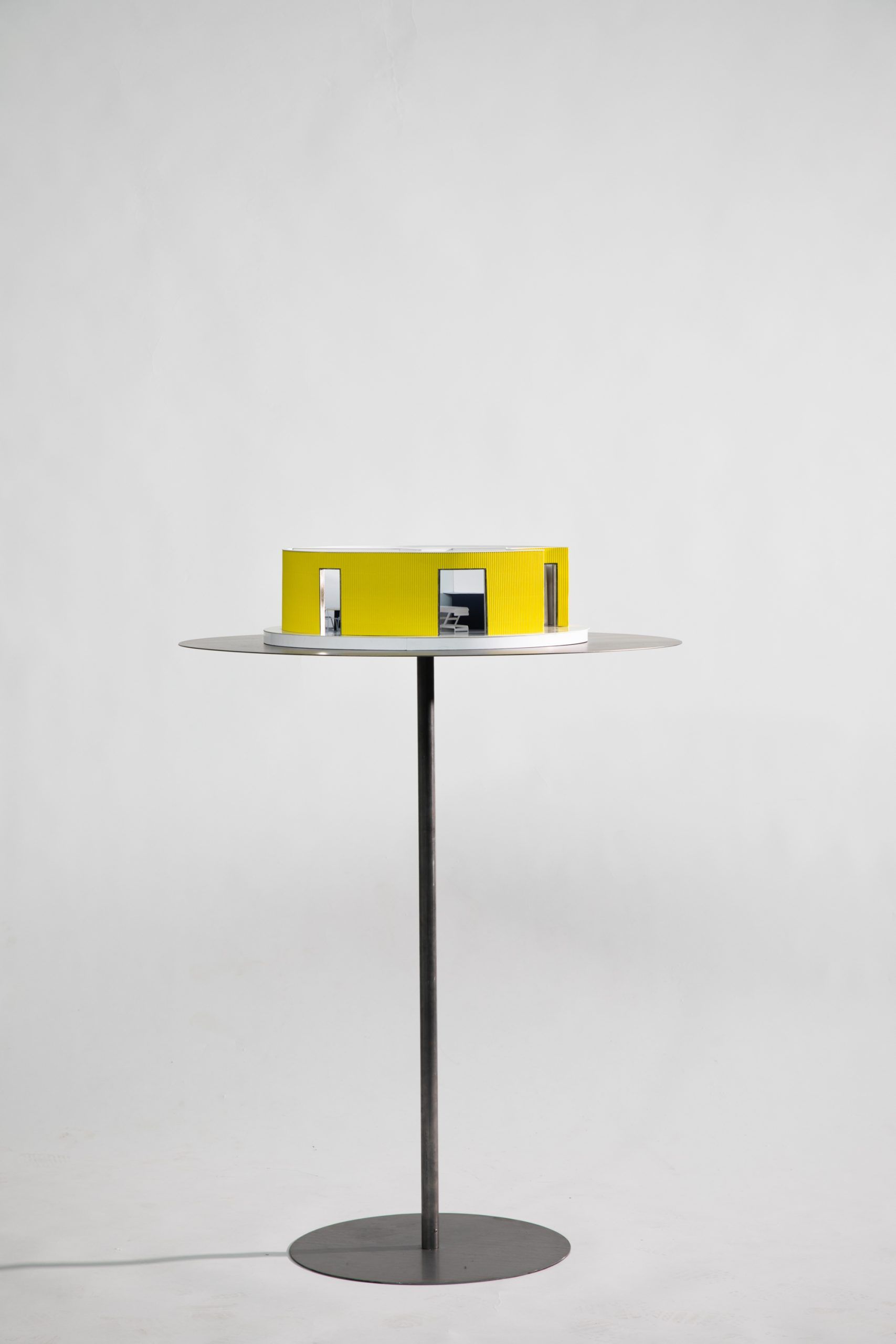
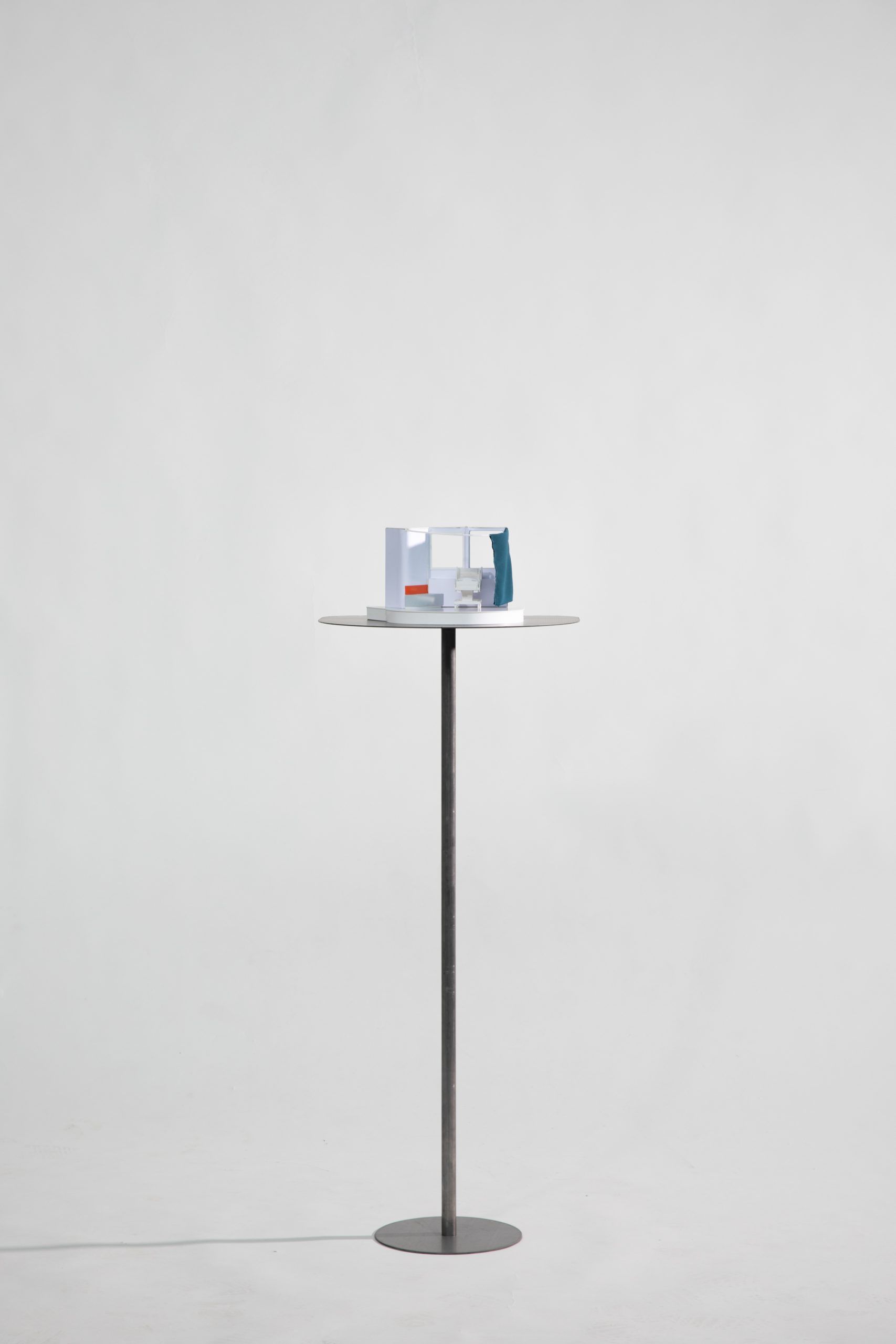
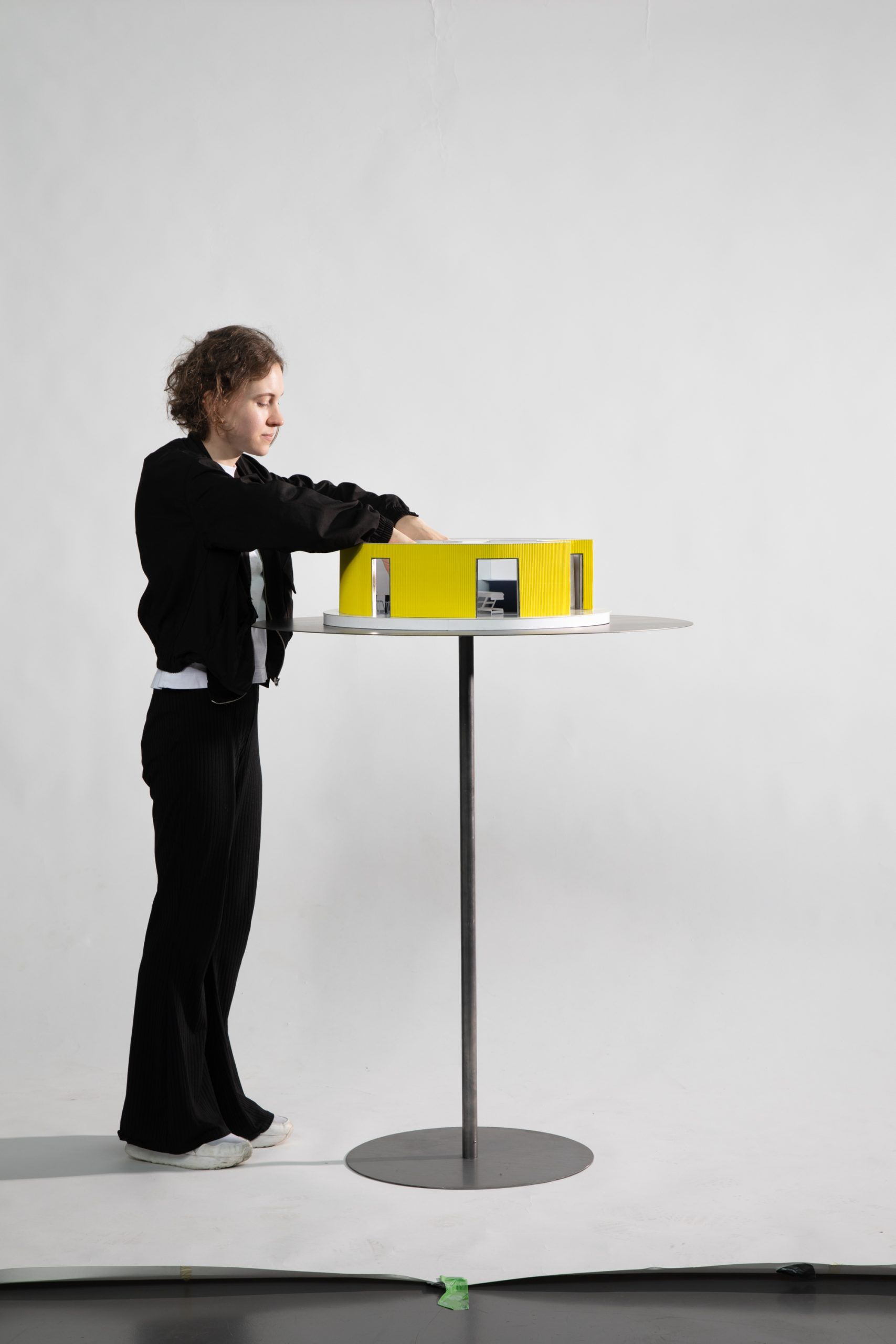
Hubs for Health is a healthcare interior architecture proposal that focuses on patients’ needs. The project rethinks the orthopedic outpatient department in Vienna’s University Hospital, where patients are severely ill or physically disabled and have to endure long waiting times, which adds to their distress. Instead of making them feel more comfortable and easing their pain, the existing space adds to their discomfort.
Considering how waiting areas impact patients’ physical and mental well-being, the project focuses on an environment that transforms dark hospital corridors into high-quality circulation spaces providing areas for social encounters, exchanges, and private retreats. The overall design draws from the shapes of physiotherapeutic cushions to evoke the notion of both visual and physical comfort, proposing space typologies tailored to medical and non-medical needs, diverging from a rigid grid layout and aiming to emphasize the importance of addressing the vulnerabilities and needs of patients.