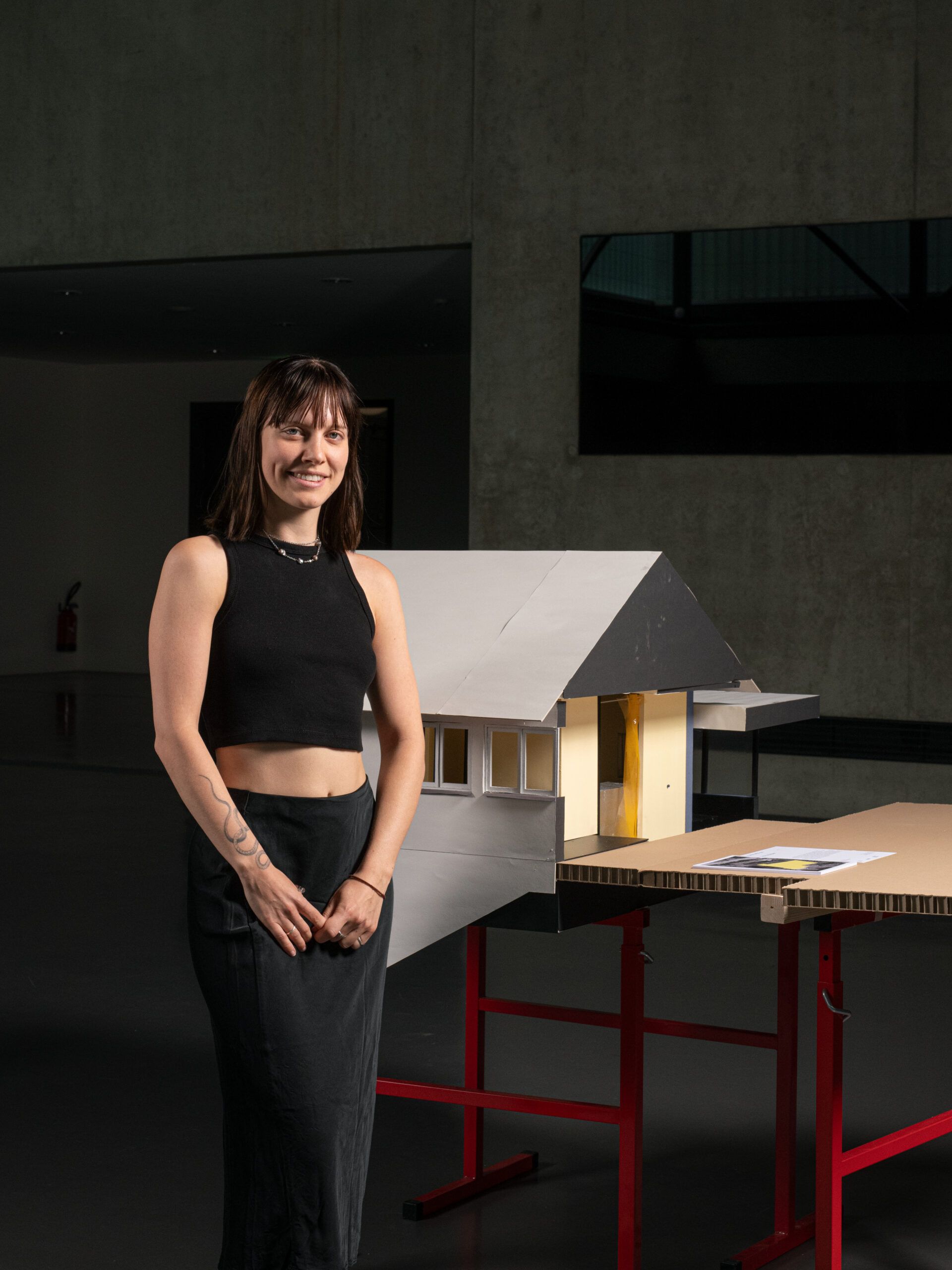
Lisa Schober is an interior architect and designer from Austria. Her work focuses on multimedia and interdisciplinary approaches to architecture, where architectural ideas are developed through shifting between representation, spatial construction, and material experimentation.
She began her education at HTBLuVA Salzburg (Construction Engineering), where she developed a strong technical understanding of construction and spatial systems. She later completed her Bachelor’s degree in Interior Architecture at Whitecliffe University of Applied Sciences – Berlin International.
Following her studies, she worked in a Berlin-based design office specializing in restaurant and hospitality interiors, where she further explored spatial atmosphere, sequencing, and experiential design.
She completed her Master’s degree in Interior Architecture within the Master of Arts in Interior Architecture (MAIA) program at HEAD – Genève. Her master’s thesis, Embodied Spaces: Stages of Transgression (in Darkrooms), and her diploma project, Come with Me, a restaurant concept exploring public intimacy and typologies of spatial experience, investigate how social norms structure perception, behavior, and social interaction within spatial conditions. Parts of her thesis will be published in the third issue of AFM Magazine.
Diploma Project
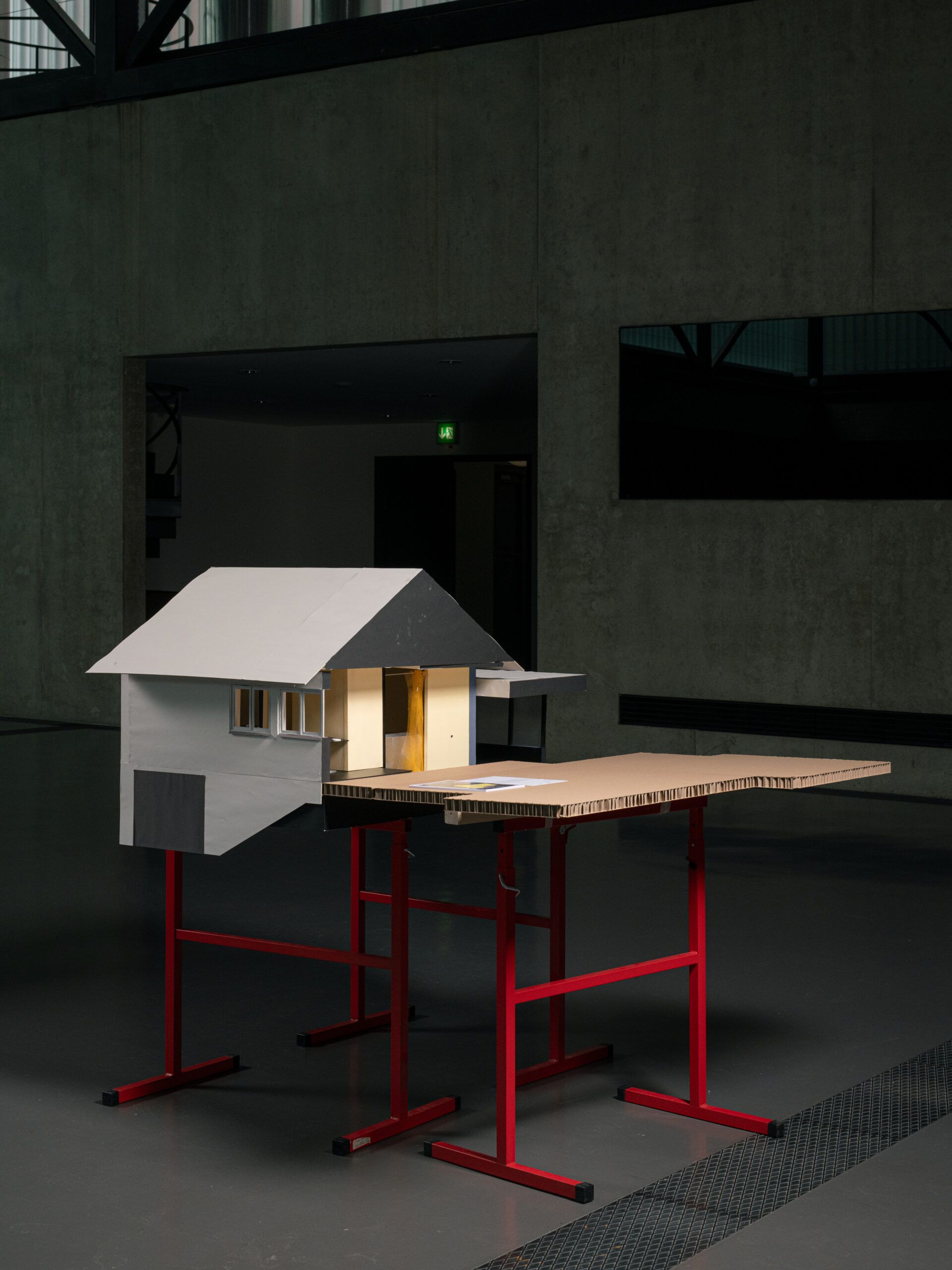
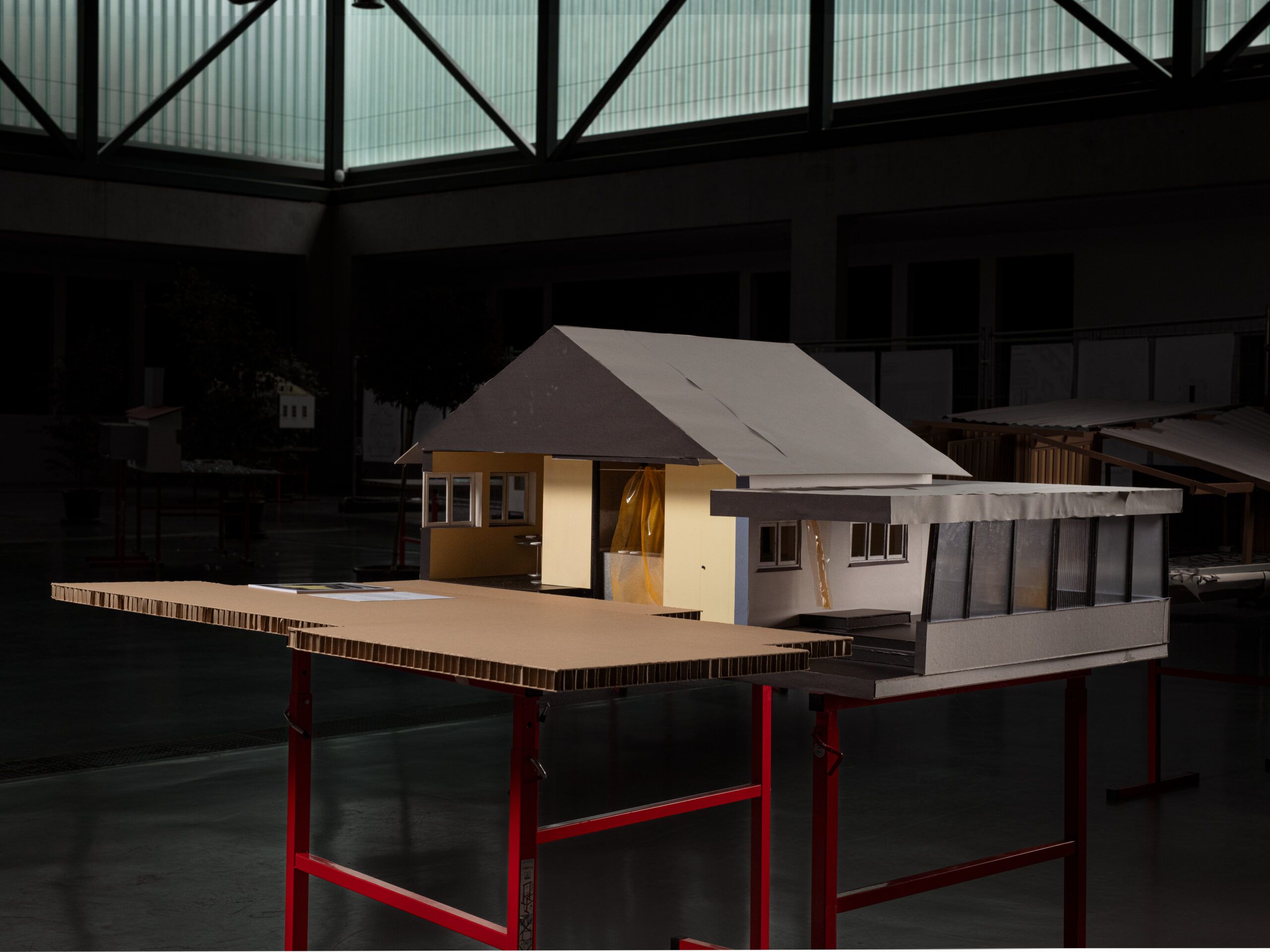
Come with Me
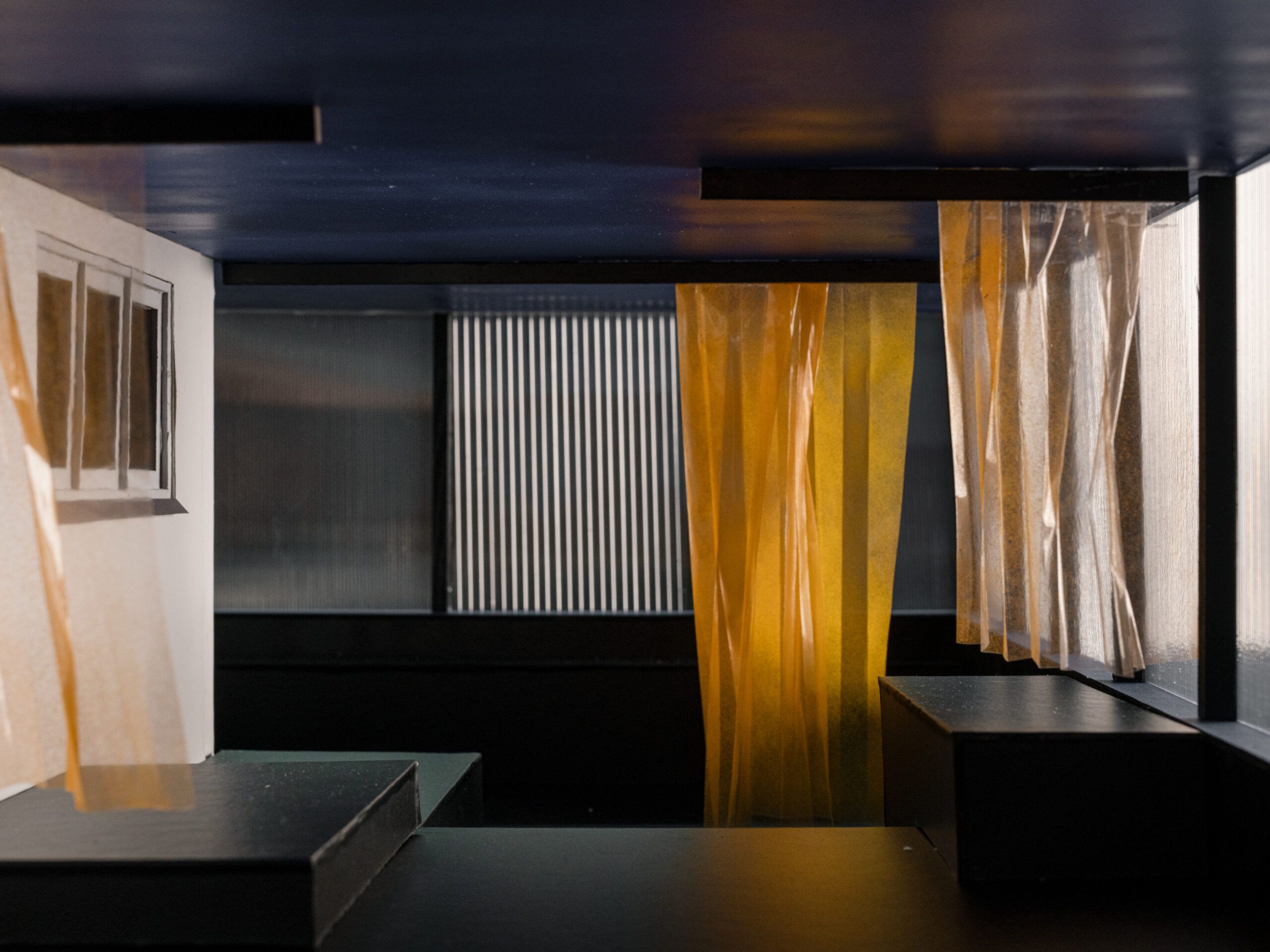
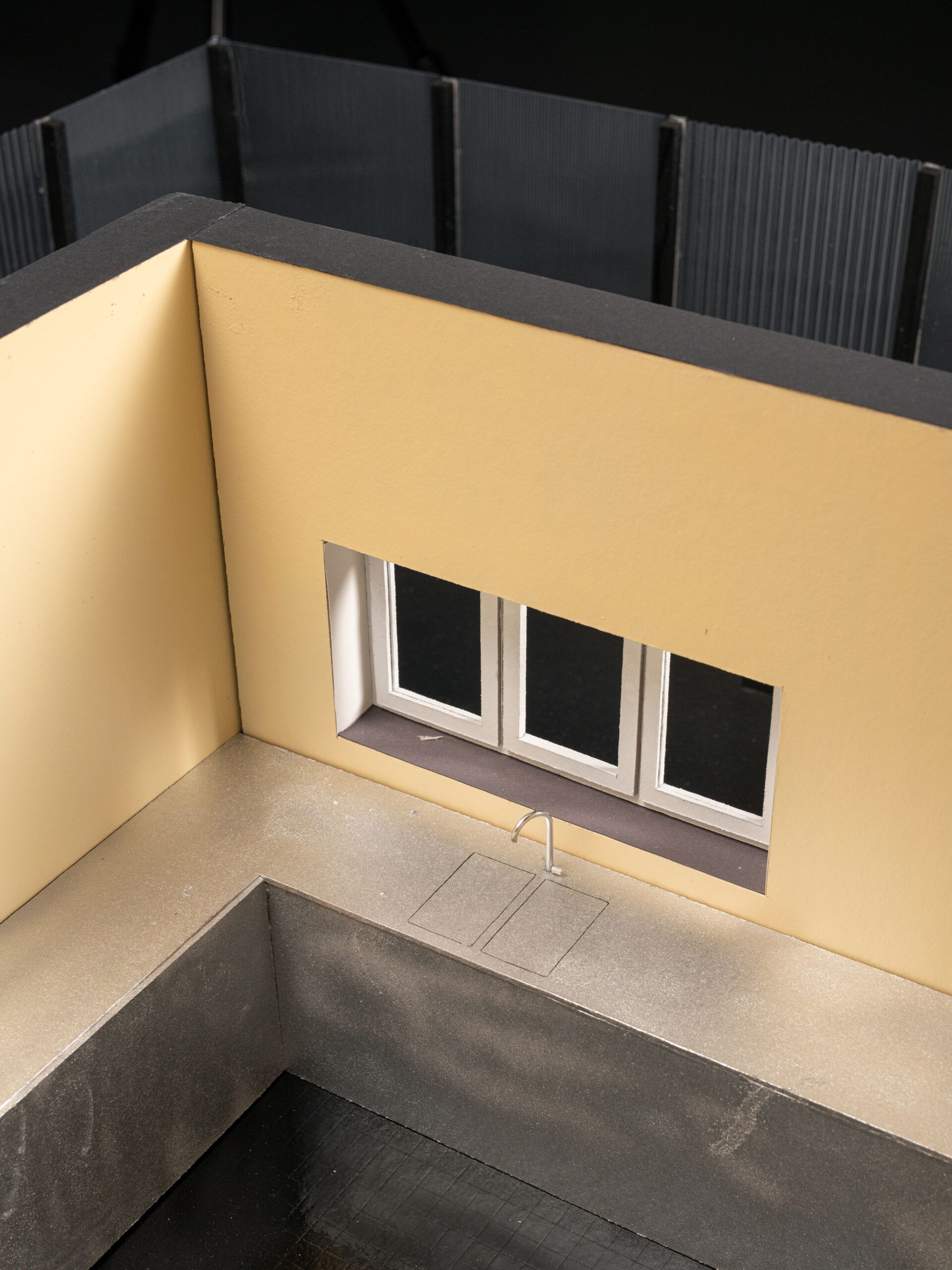
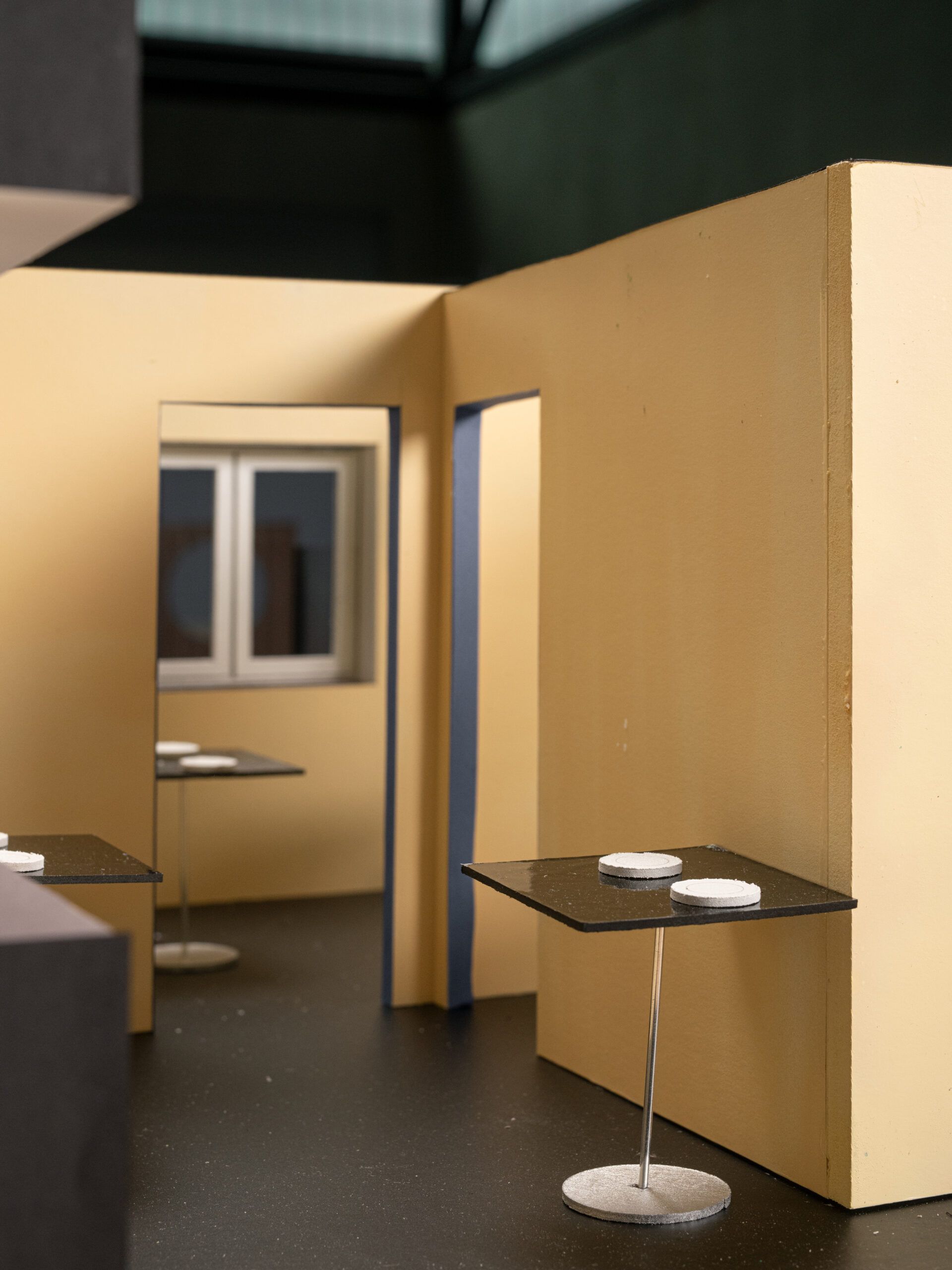
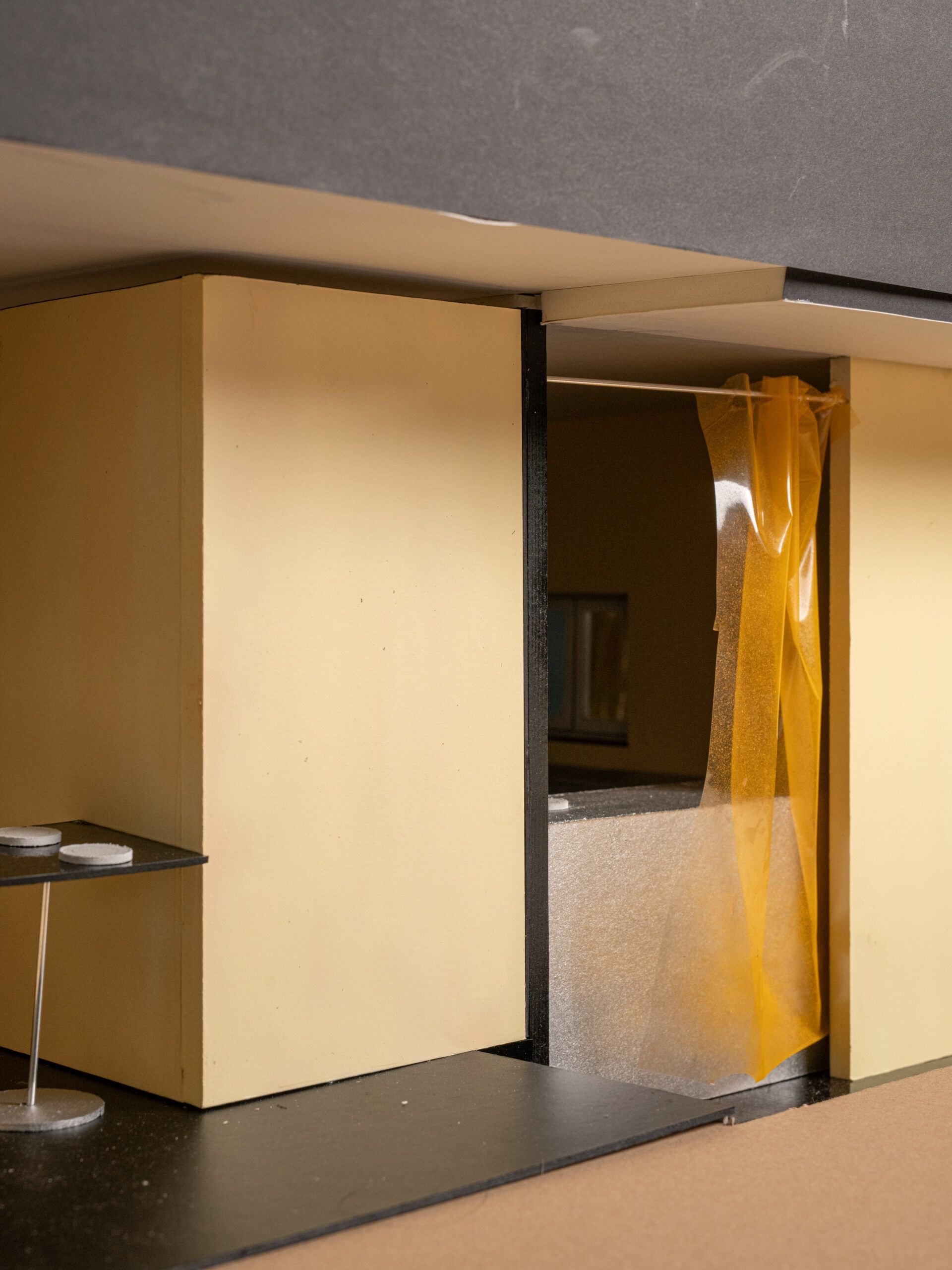
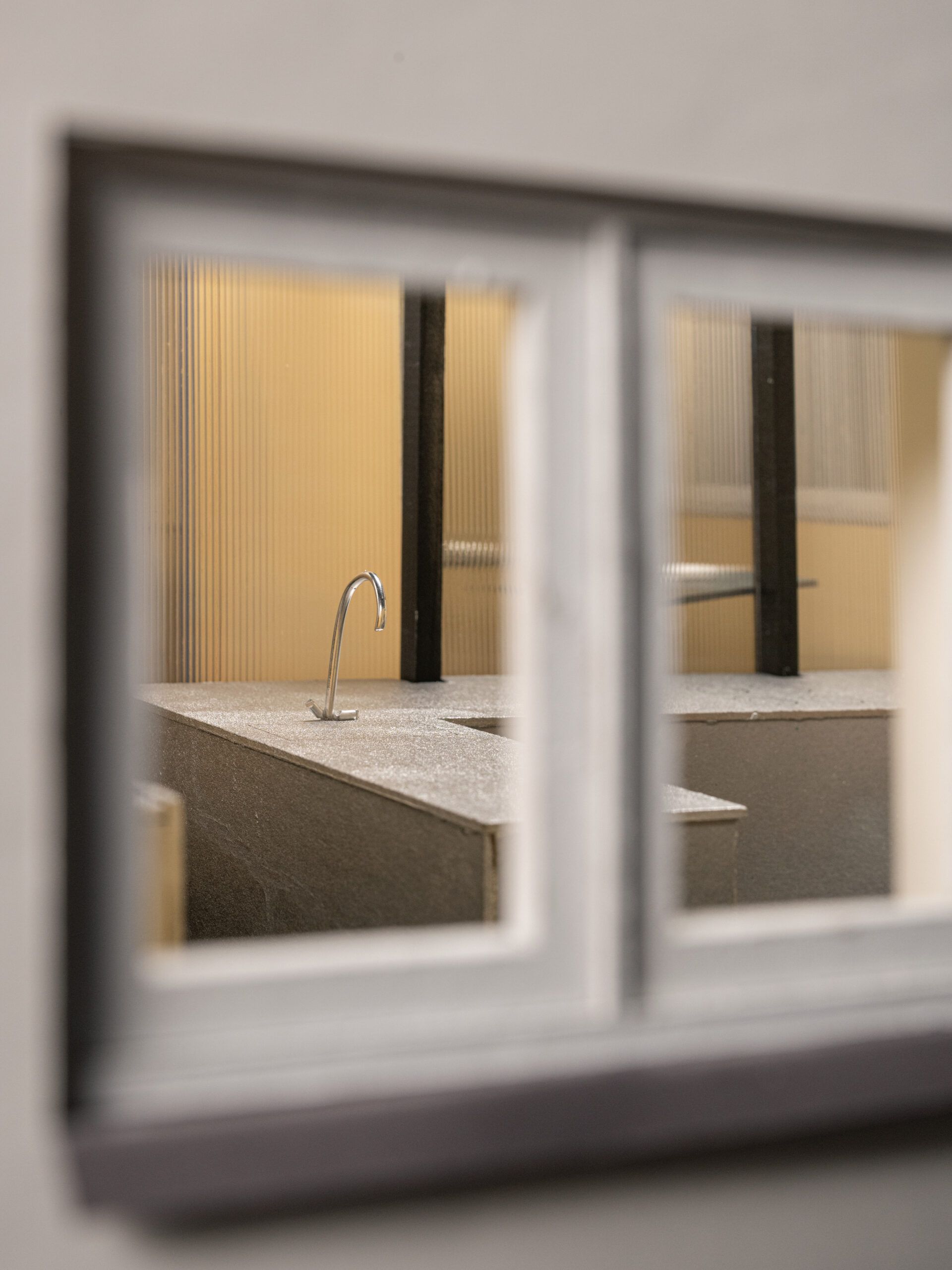
Come with Me is a restaurant project that explores public intimacy through the juxtaposition of socially normalized and socially restricted forms of pleasure within a single spatial system. By bringing together the typologies of the restaurant and the darkroom, the project constructs a spatial condition in which contrasting regimes of visibility, behavior, and interaction are placed in direct relation to one another.
The project investigates how social norms shape spatial experience and how architecture can stage different modes of encounter within a shared environment. Rather than separating public and private conditions, the project tests their coexistence as a continuous spatial narrative, where transitions between openness and restriction, visibility and concealment, become the core design mechanism.
Through this framework, Come with Me uses spatial sequencing, atmosphere, and typological collision to question how architecture can structure, choreograph, and destabilize forms of social and bodily interaction.