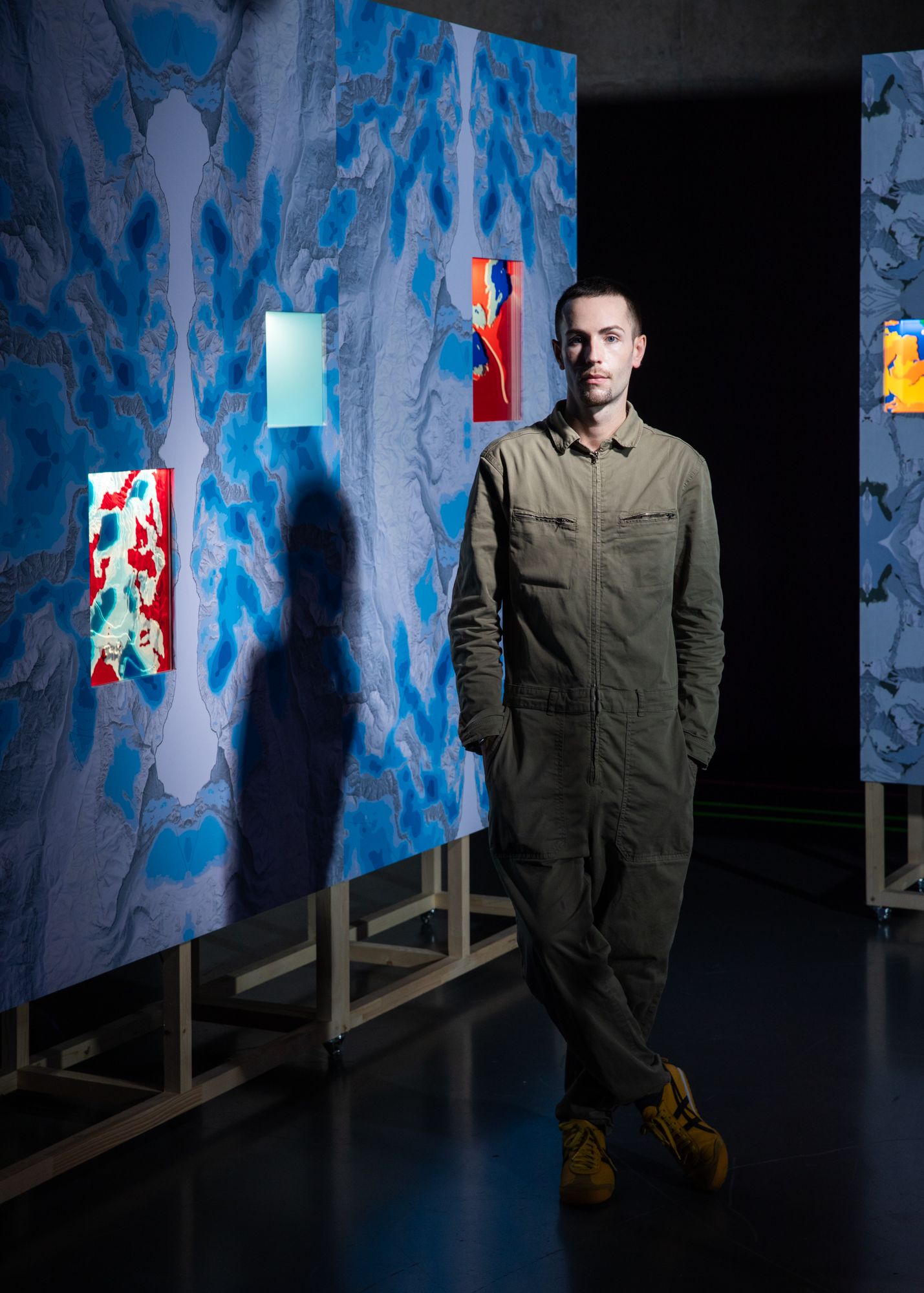
David Röder is a German designer. His work explores the relationships between material and memory. Through a multidisciplinary practice that includes object and furniture design, spatial installations, and scenography, he investigates how materials can carry narratives and evoke emotional resonance.
David studied in the Master of Arts in Interior Architecture at HEAD – Genève. He previously completed a Bachelor’s degree in Product Design at the Weißensee Academy of Art Berlin in 2021 and spent one semester at the Gerrit Rietveld Academie in Amsterdam in the Architectural Design department. His professional journey includes three years at the Volkswagen Group Future Center Europe in Potsdam, where he focused on material innovation and design trends. Alongside this, he developed scenographic projects such as Glass – Hand Formed Matter and Water and Wine, presented in Germany, Sweden, and Finland. He also volunteered with Connecting Continents in Tanzania, designing spatial concepts. Through his studio, Studio Röder, he continues to create furniture, objects, and installations defined by reduction, clarity, and sensitivity to material for private and cultural clients. His work has been shown throughout Europe, including at Dutch Design Week in Eindhoven, the Bröhan Museum in Berlin, and the Finnish Glass Museum in Riihimäki.
Diploma Project
Frozen Memory – Layers of Disappearance
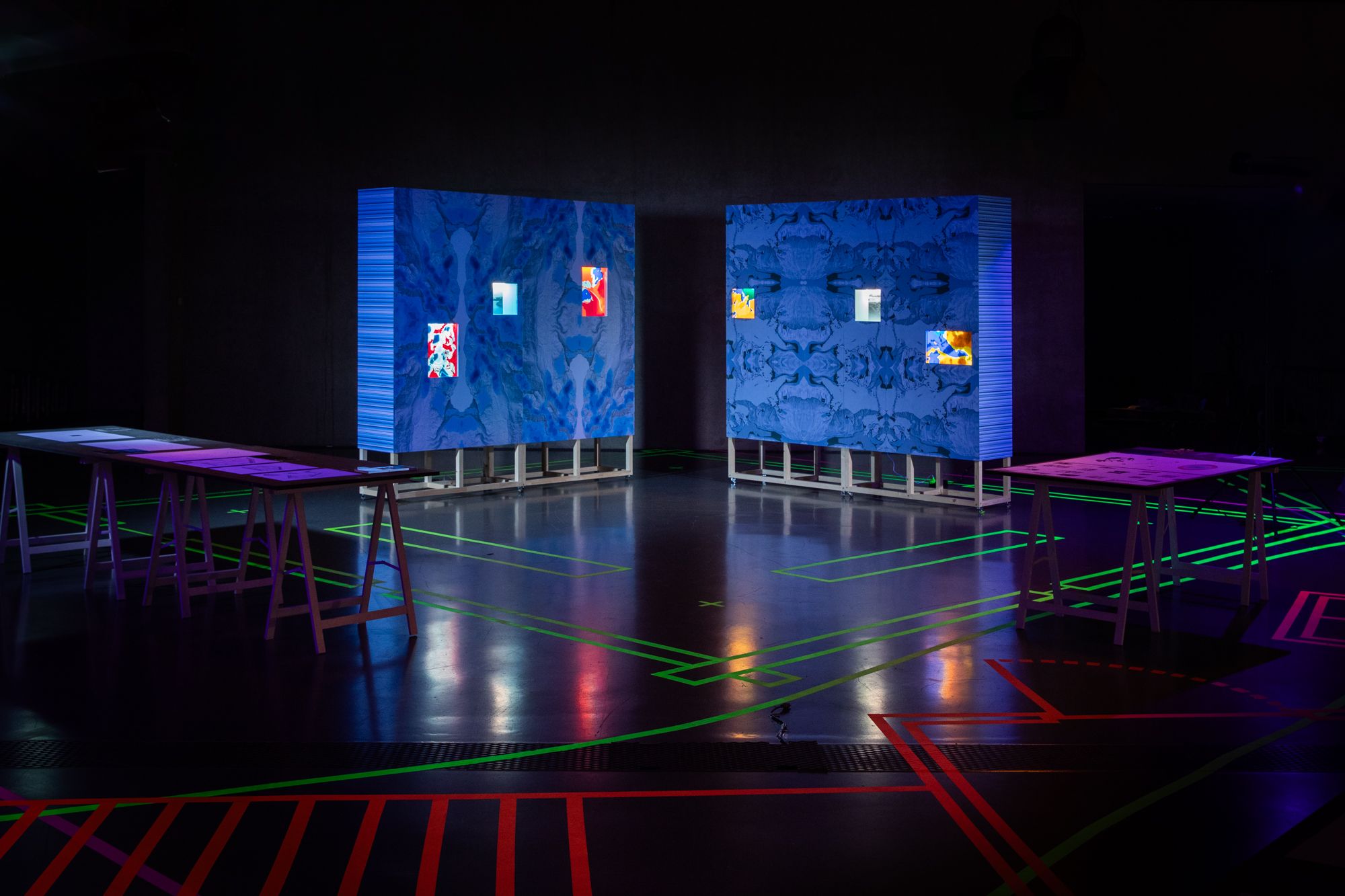
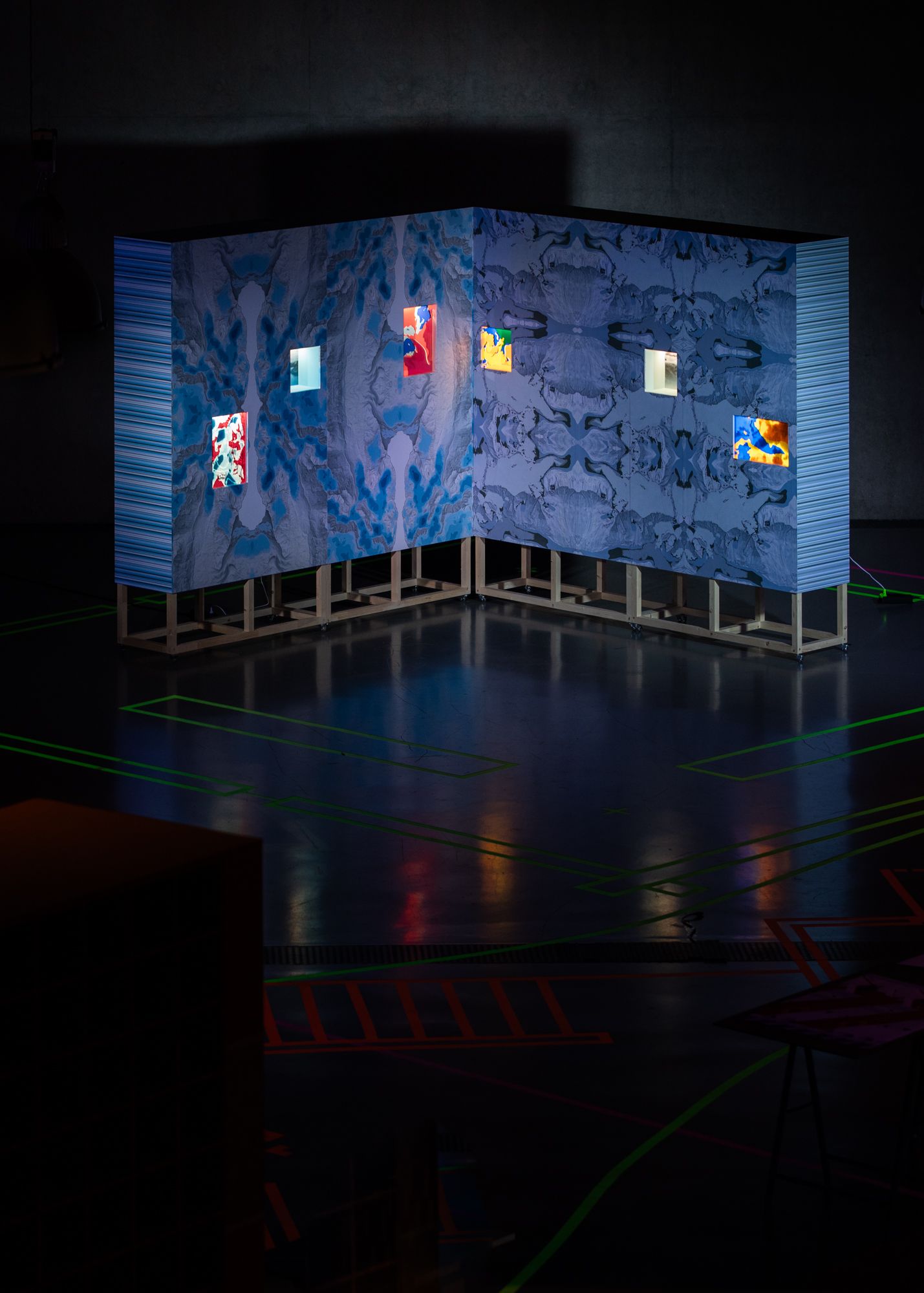
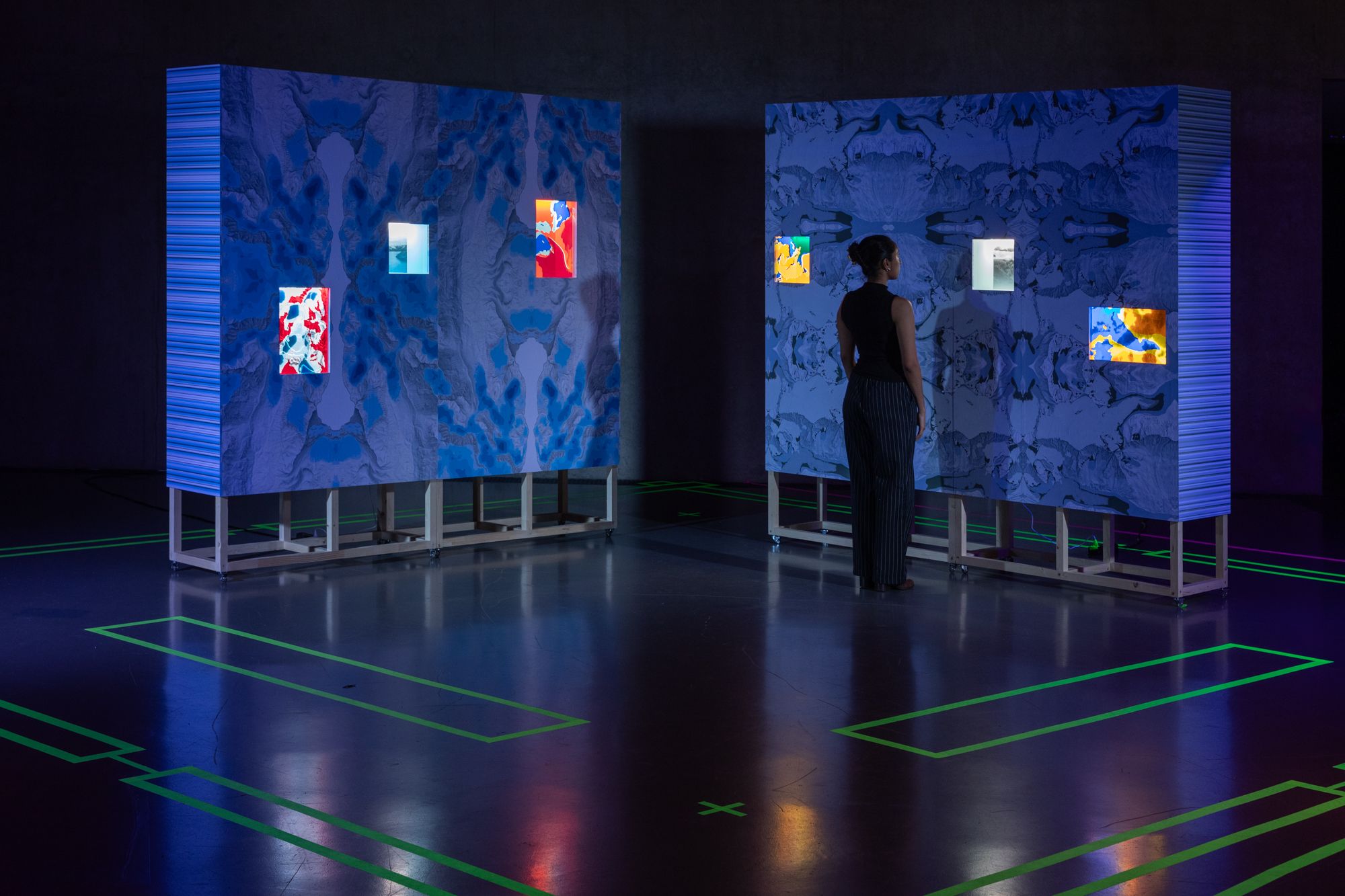
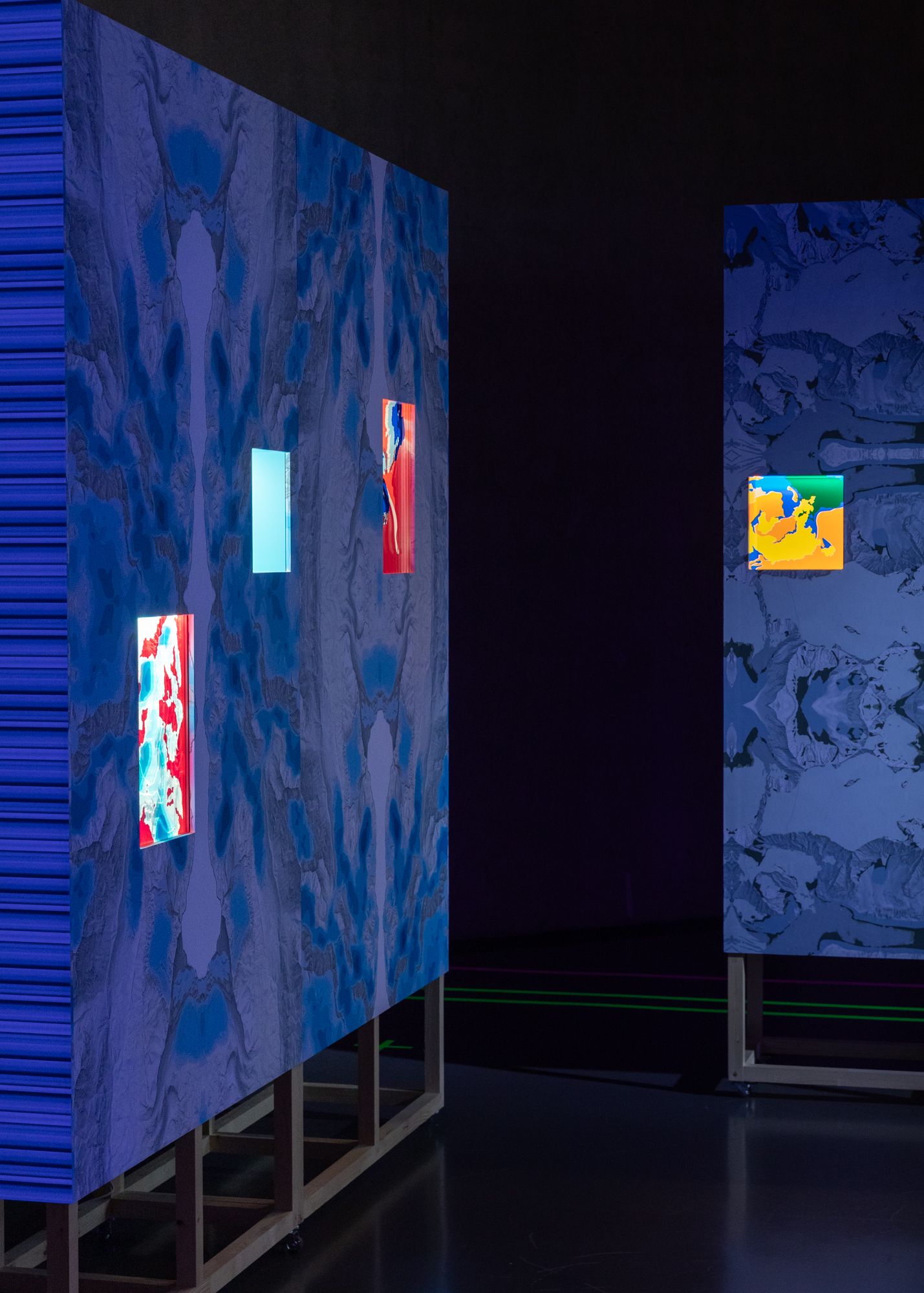
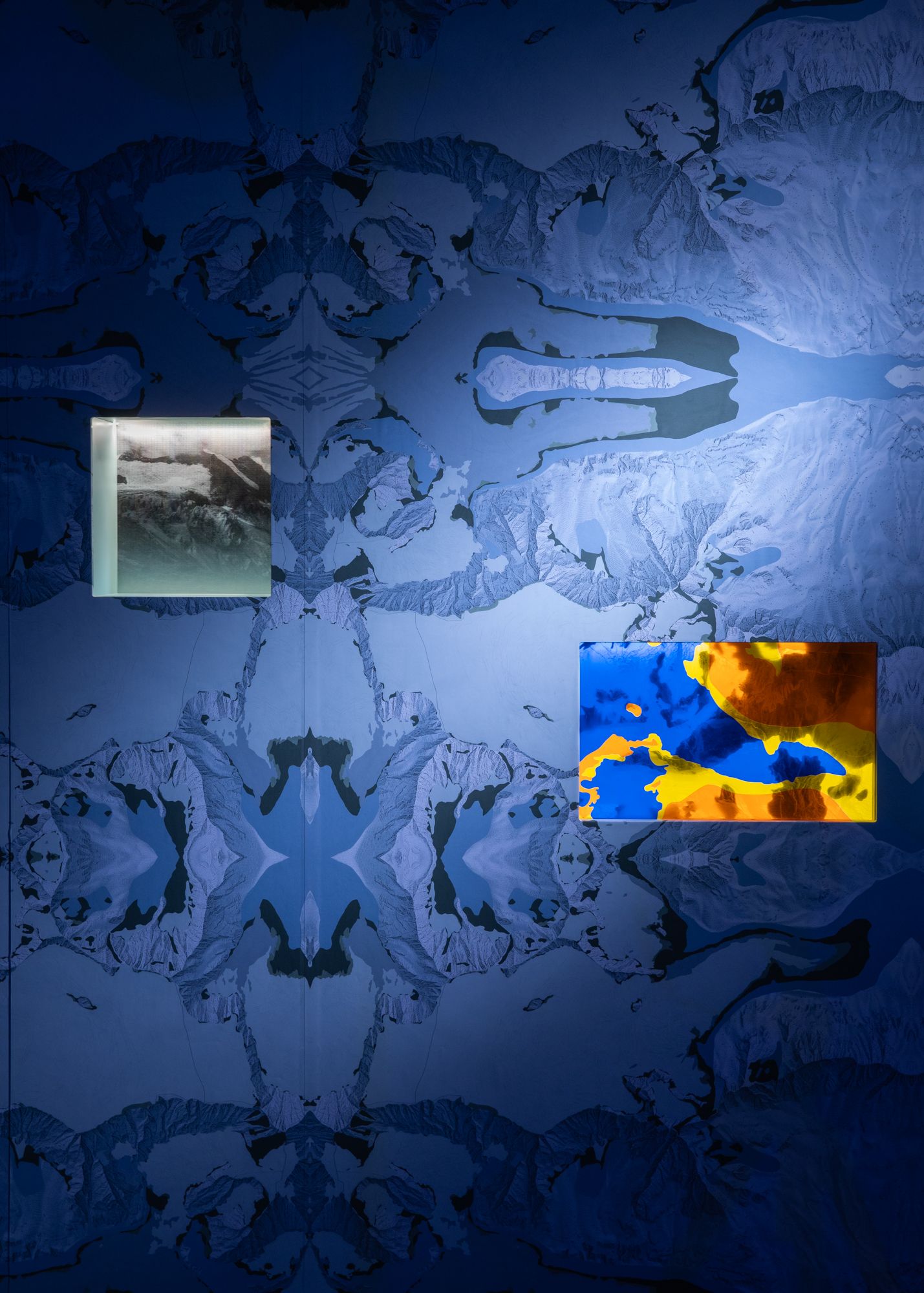
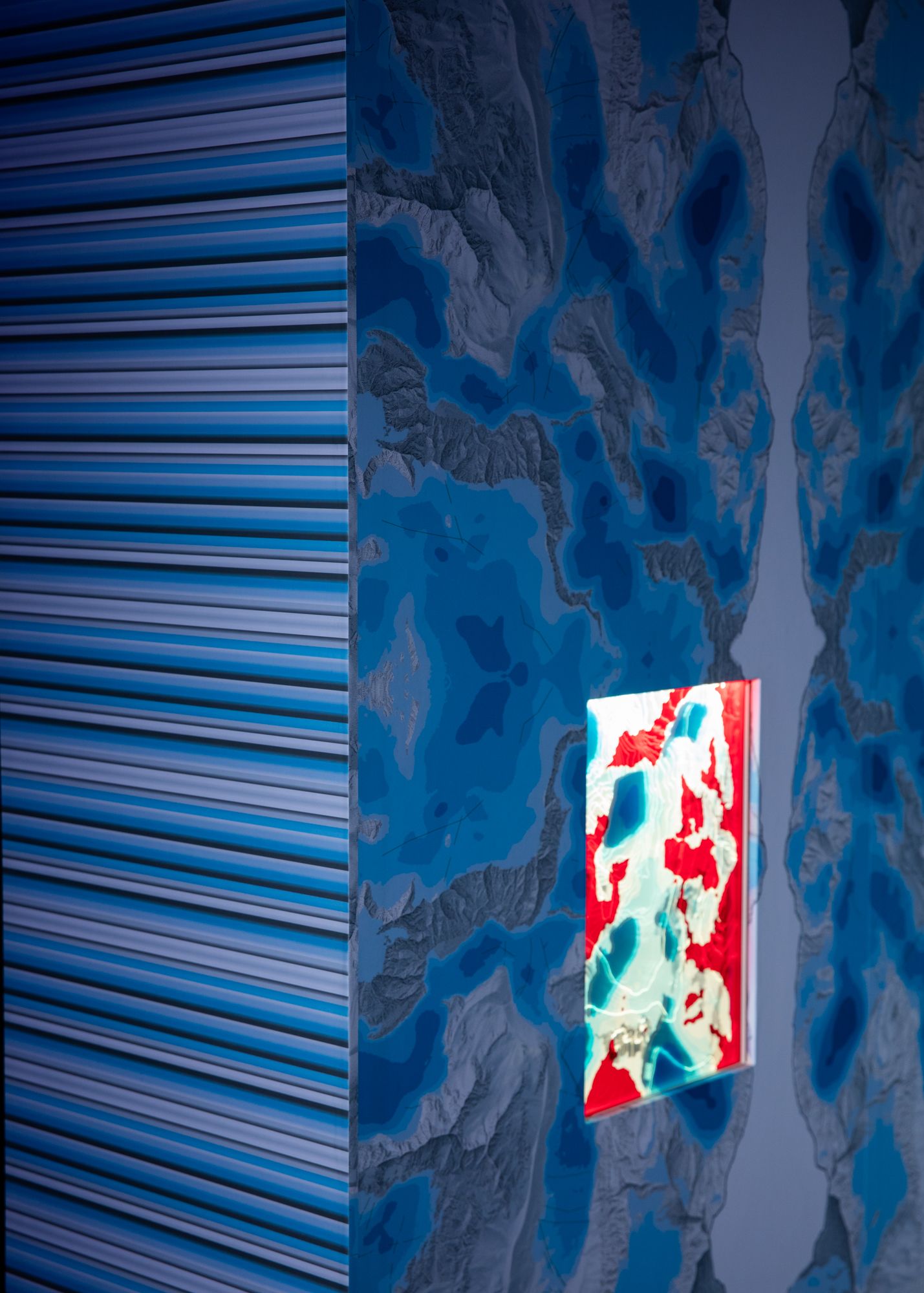
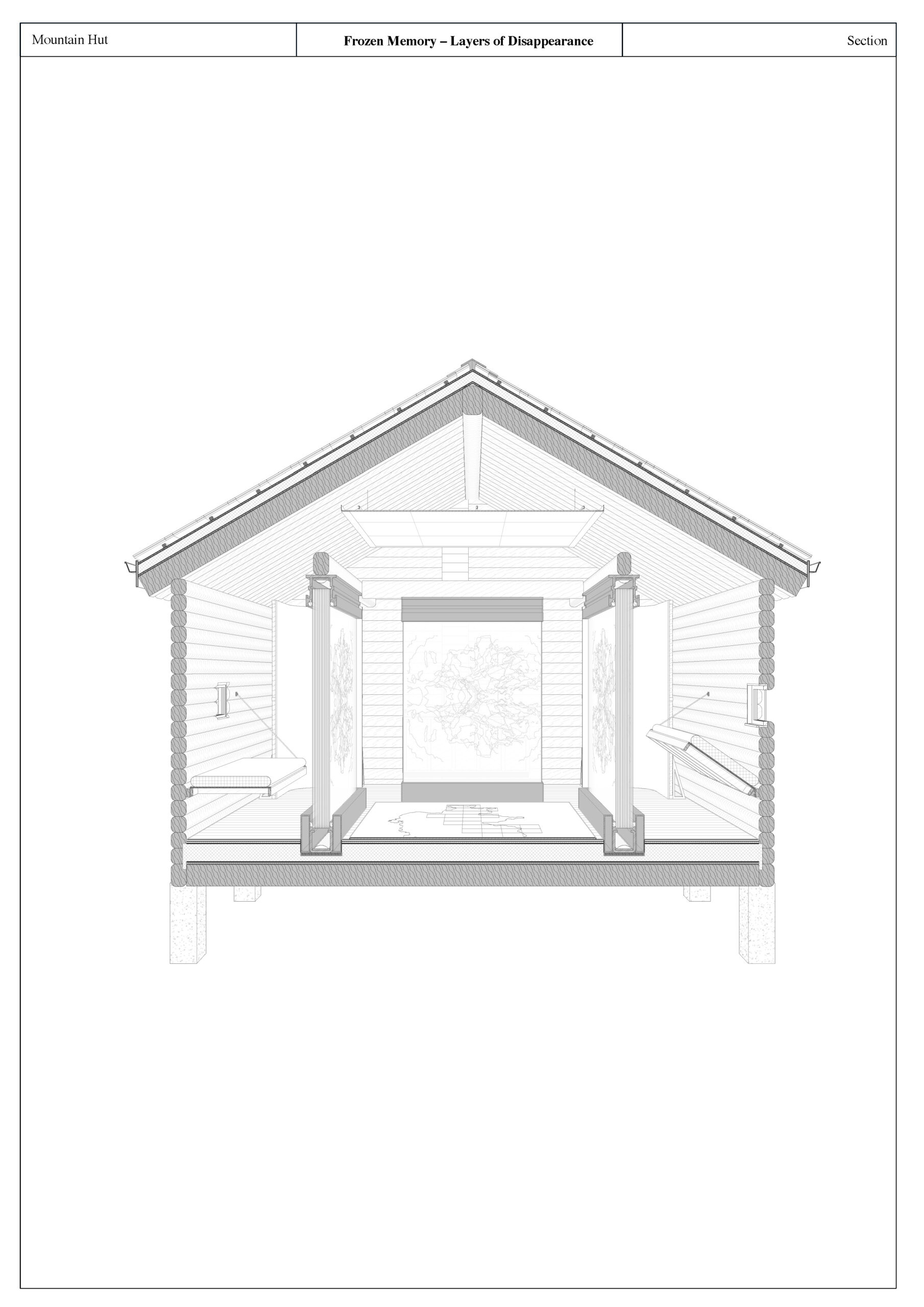
A modest mountain hut in the Swiss highlands holds a quiet revelation within its walls. At first glance, the surfaces resemble refined marble, crafted with ancient techniques such as bookmatching and opus sectile. Richly layered textures, shimmering veins, and luminous reflections evoke the intricate marbling seen in architectural landmarks—from Renaissance palazzi to Byzantine interiors—inviting contemplation.
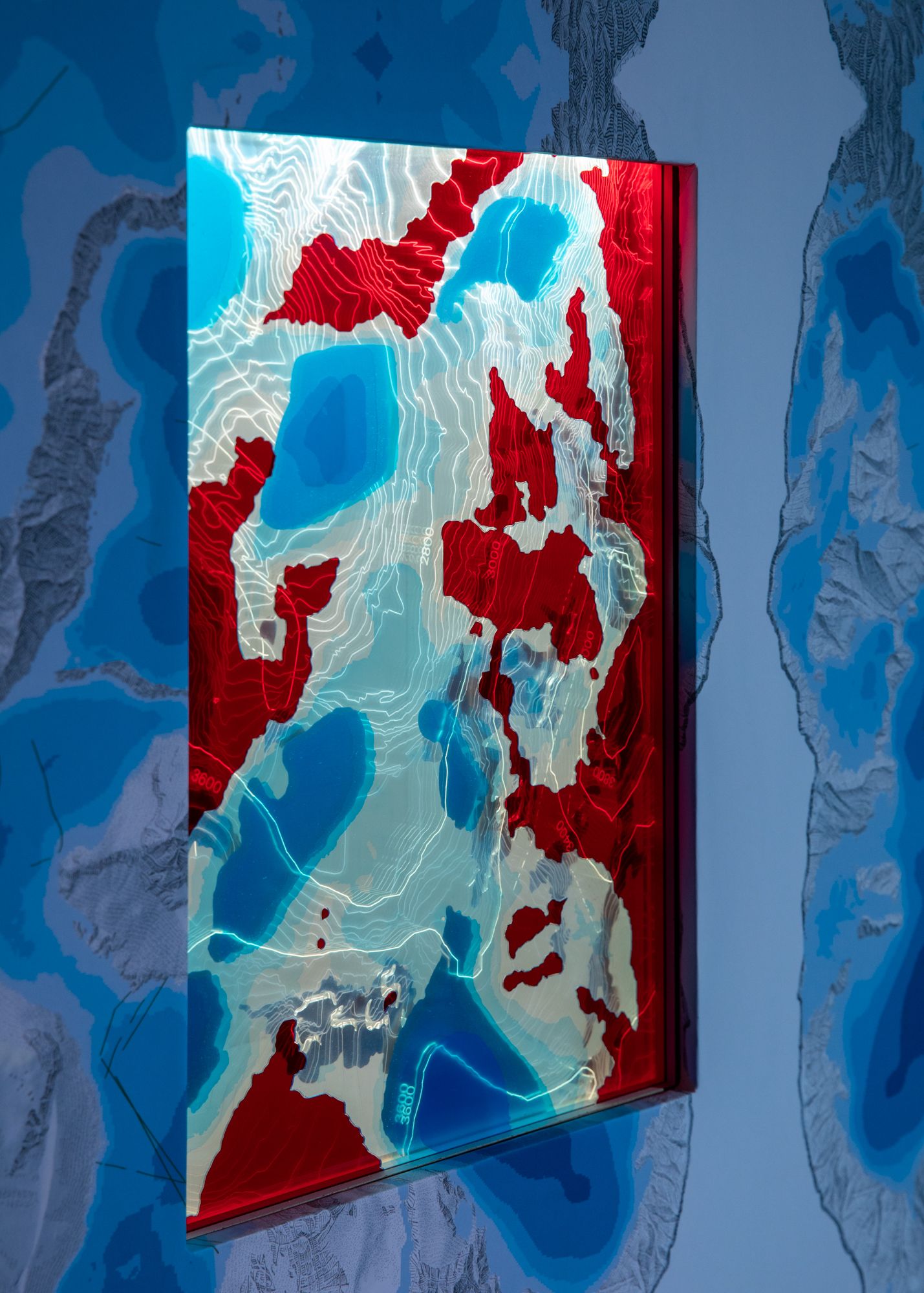
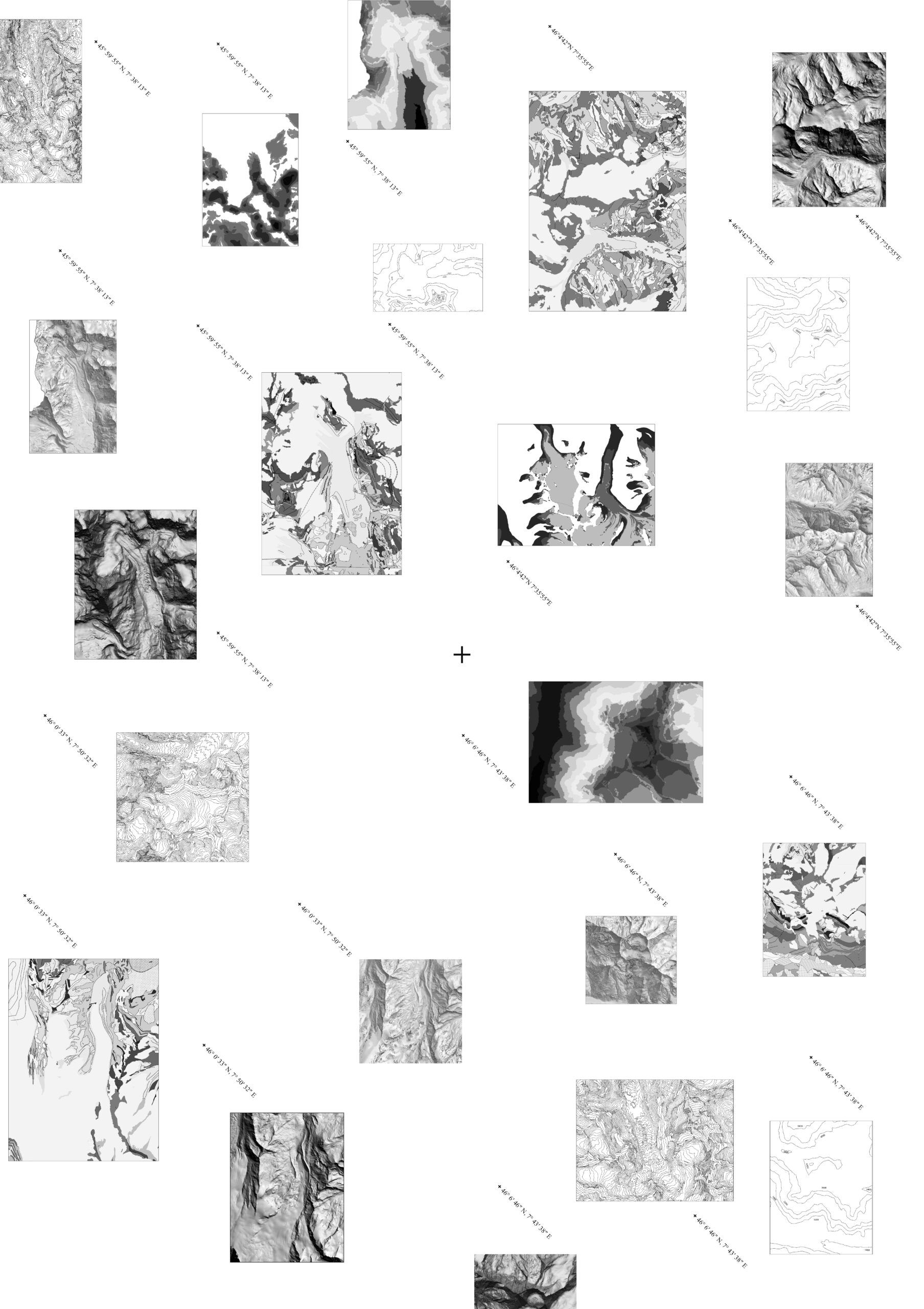
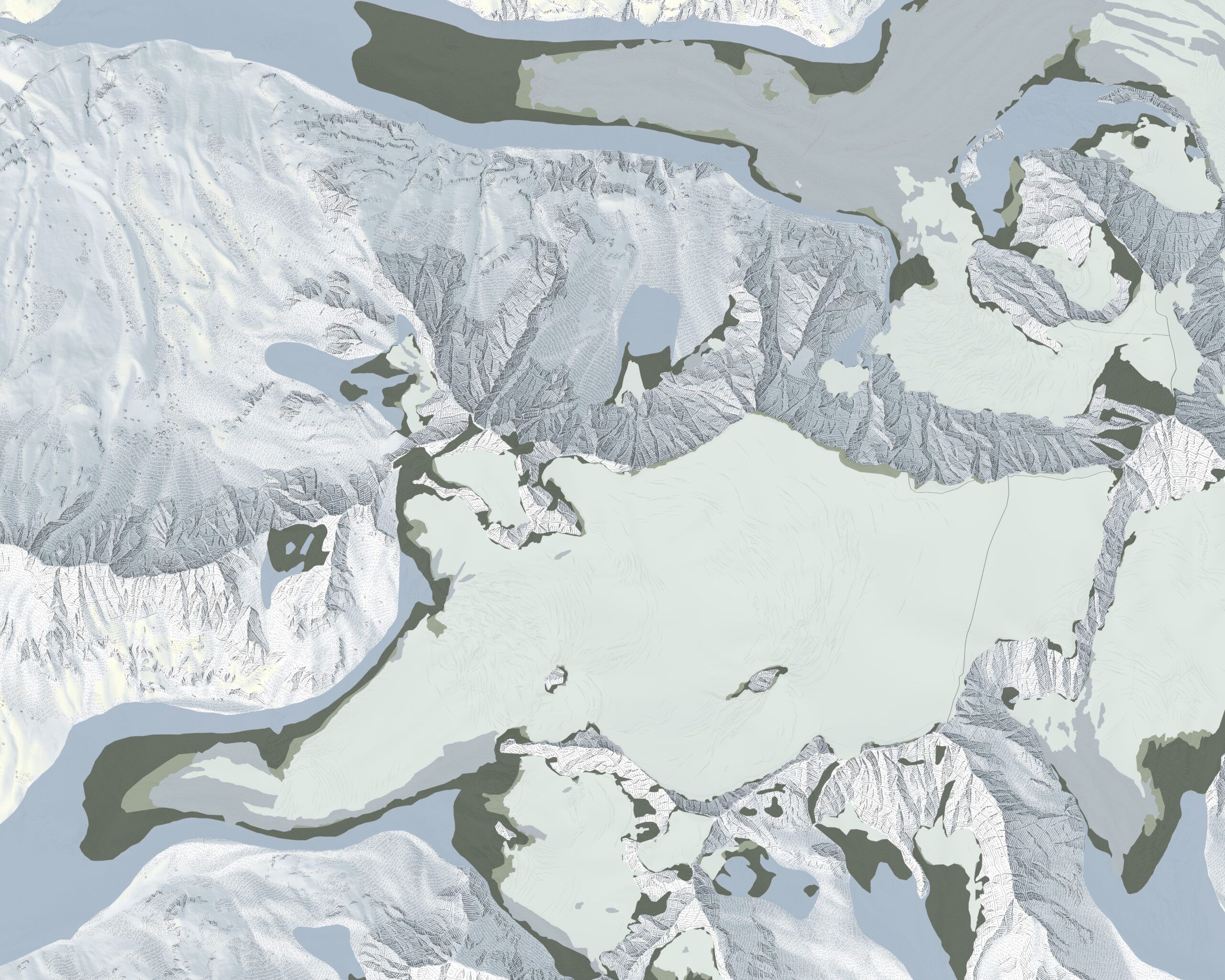
Yet these “marble walls” are more than an aesthetic illusion: embedded within them is geological data chronicling the stories of the region’s glaciers—Moriy, Zmutt, Findelen, and Bisgletscher. Each wall is dedicated to one glacier, layering information about shifts in temperature, ice thickness, retreat, topography, and surface area over time.
This project approaches landscape not as a static backdrop, but as a responsive counterpart in dialogue. It merges the precision of scientific observation with the evocative power of sensory presence, urging visitors to engage intimately with the vulnerability of natural systems.
Frozen Memory is a call for a more attentive ethics of perception: at a time when the disappearance of landscapes is often framed as an abstract or political issue, the project seeks to rekindle emotional resonance and cultural memory.
Because while data and empirical evidence are indispensable, action can only be inspired by loss that is deeply felt.