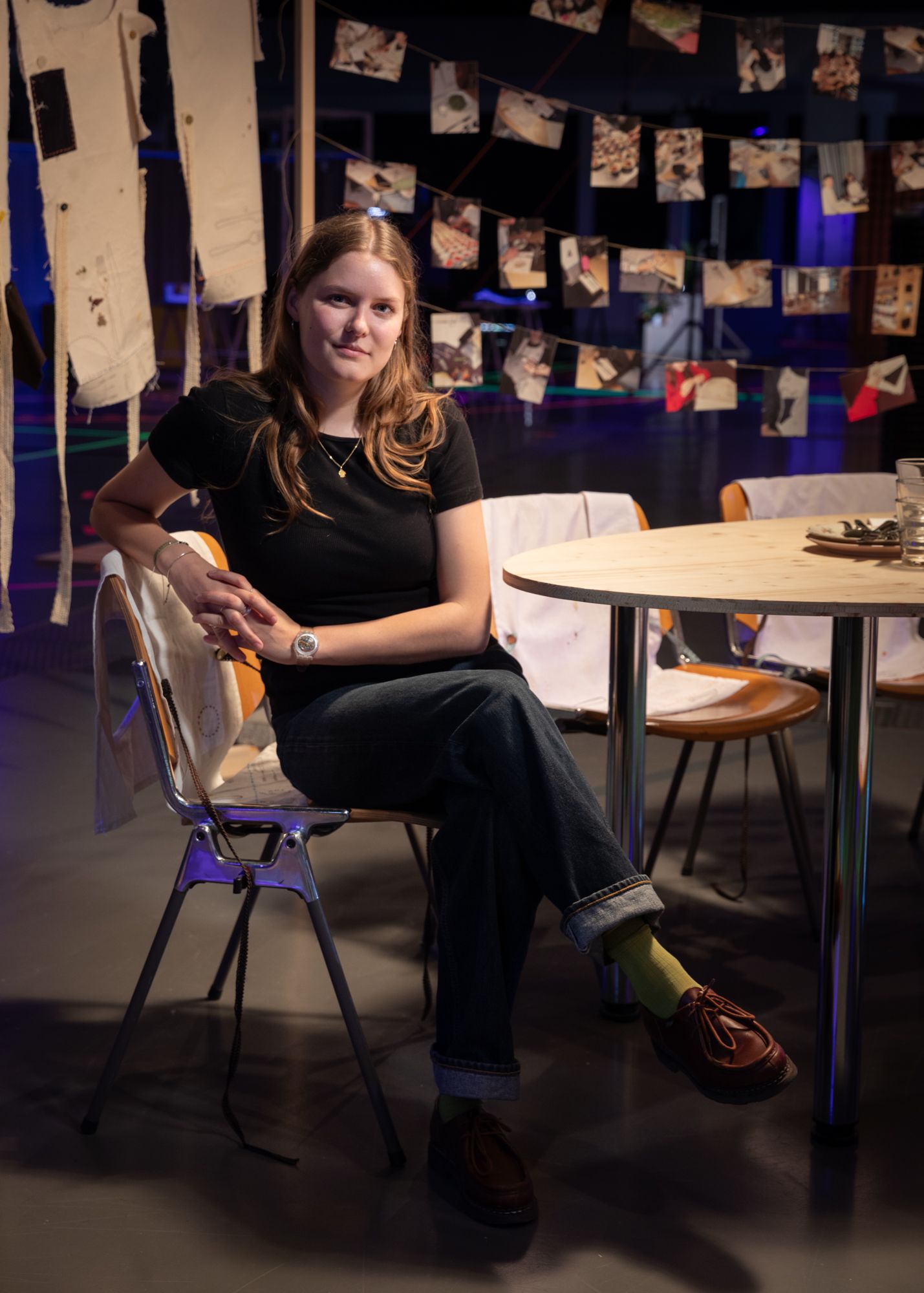
Cloé Eischen is a Luxembourgish interior architect. Her work explores the relationship between people and the built environment, with a focus on shared experiences, sustainability, and long-lasting design solutions. She investigates how interior spaces can foster meaningful interactions while responding to social and environmental contexts.
Cloé completed her Bachelor’s degree in Interior Architecture at the École nationale supérieure des arts visuels de La Cambre in Brussels, where she developed a strong sensitivity to existing structures, influenced by Belgian design and architecture. After graduating, she completed two internships in Luxembourg, further developing her skills. In parallel, she worked on the set design of several short films. Eager to deepen her practice, Cloé joined the Master of Arts in Interior Architecture (MAIA) at HEAD – Genève, where she refined her skills and shaped a more personal design approach.
Diploma Project
The Social Fabric of Dining
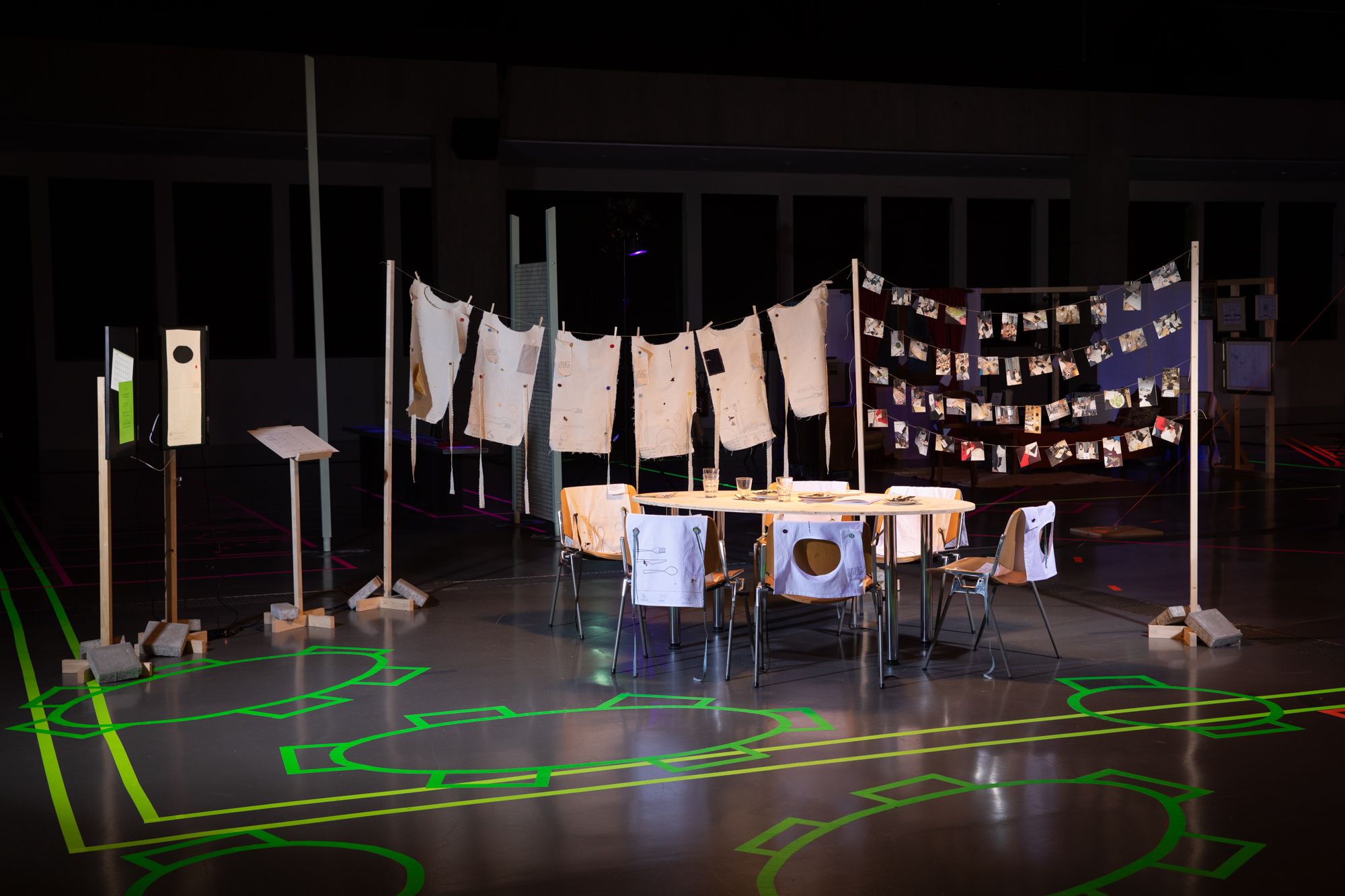
The Social Fabric of Dining aims to reimagine traditional table settings—napkins and tablecloths—not just as decorative elements, but as tools for fostering interaction. Stemming from research into supper clubs and the aesthetics of dining experiences, these social events often promote exclusivity, creating a highly institutionalized environment for an artistic elite with disposable income.
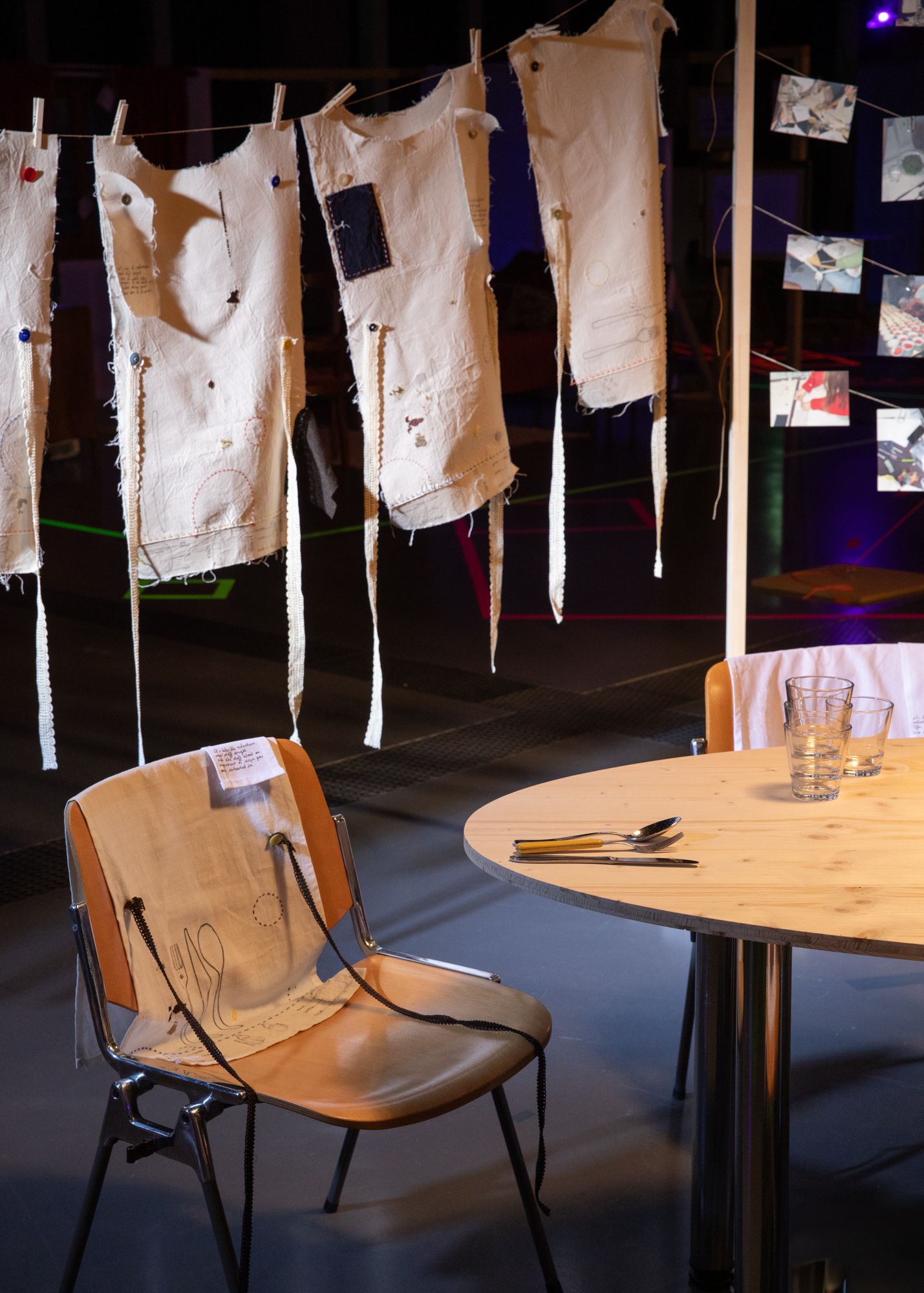
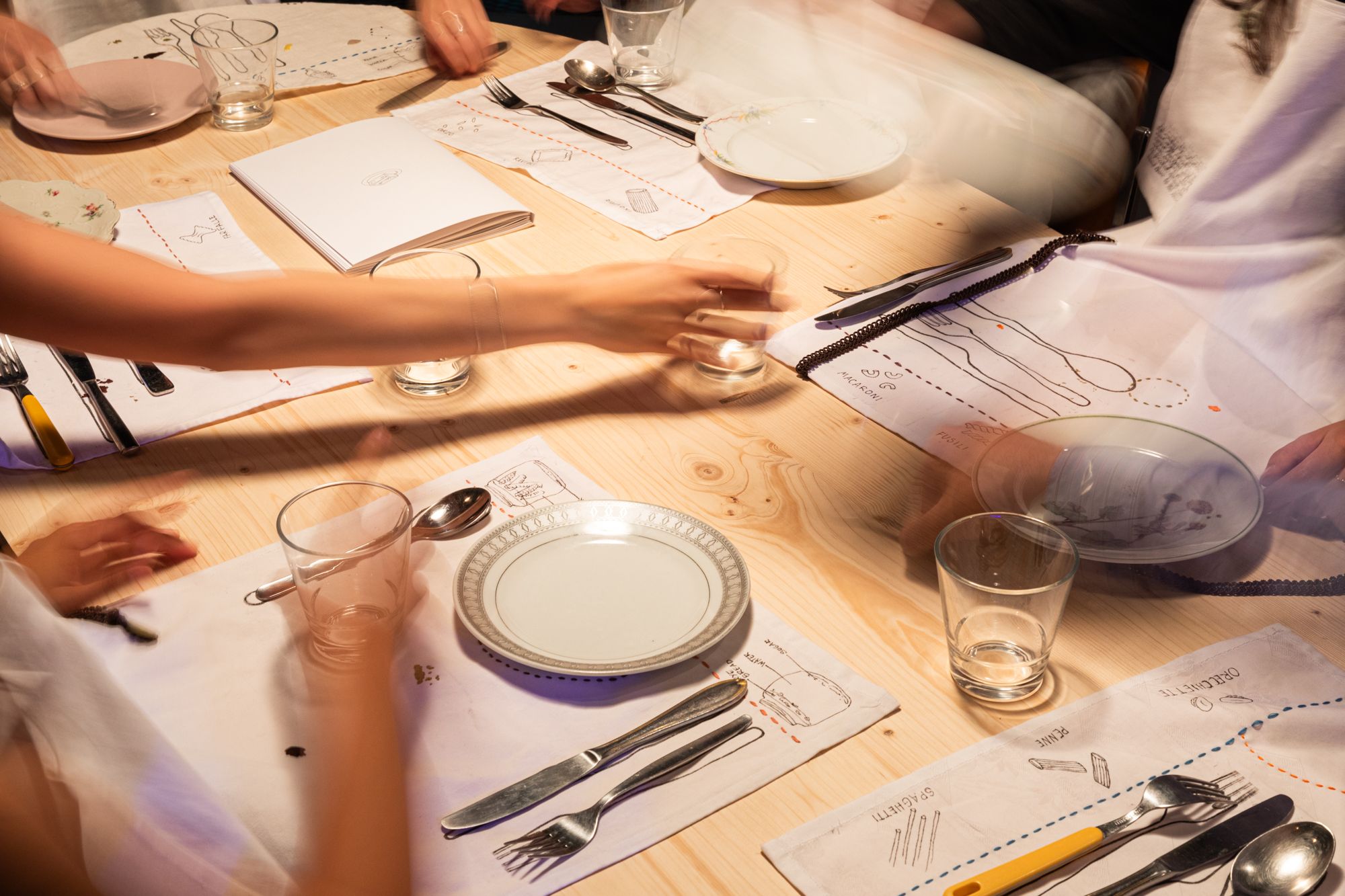
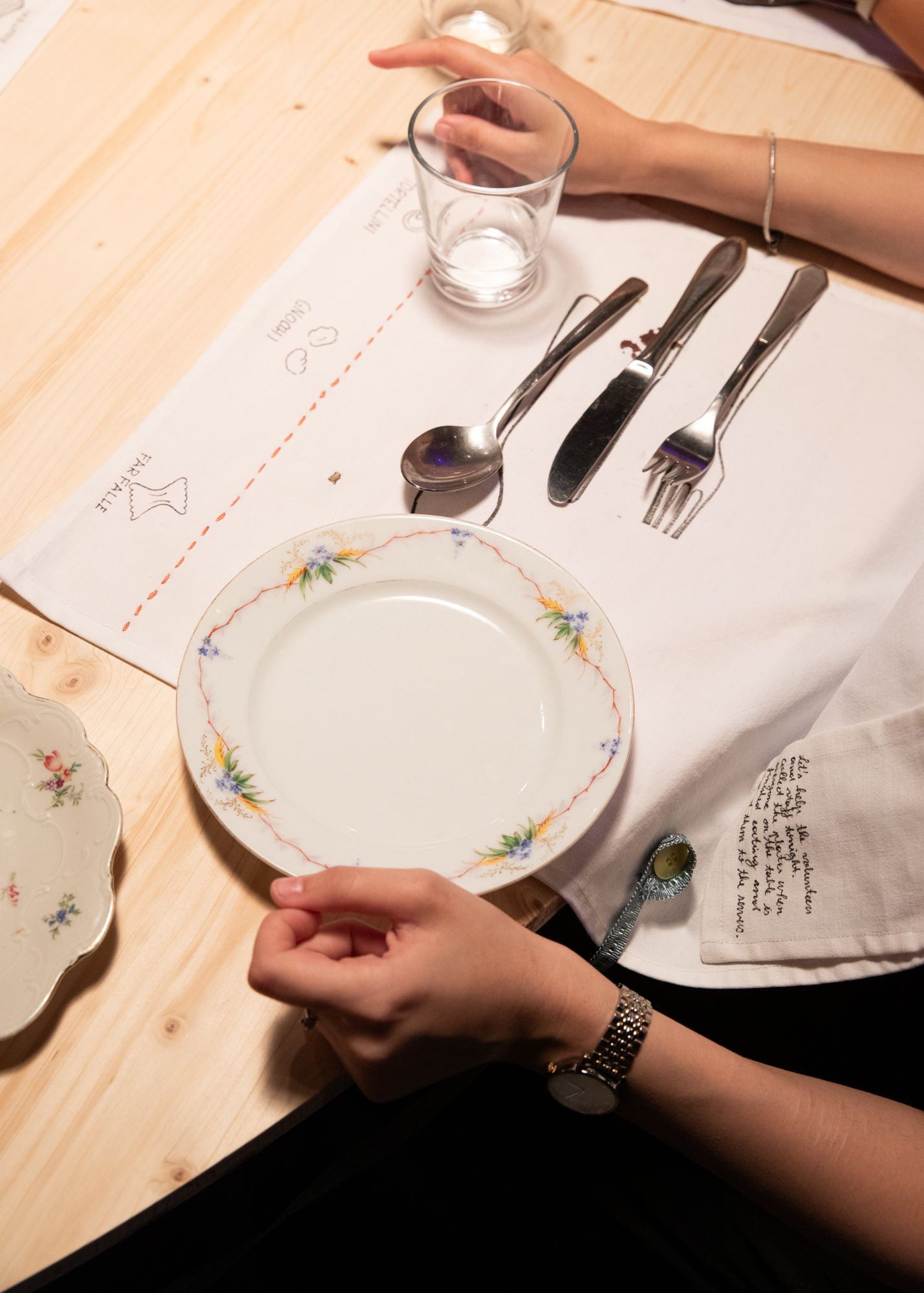
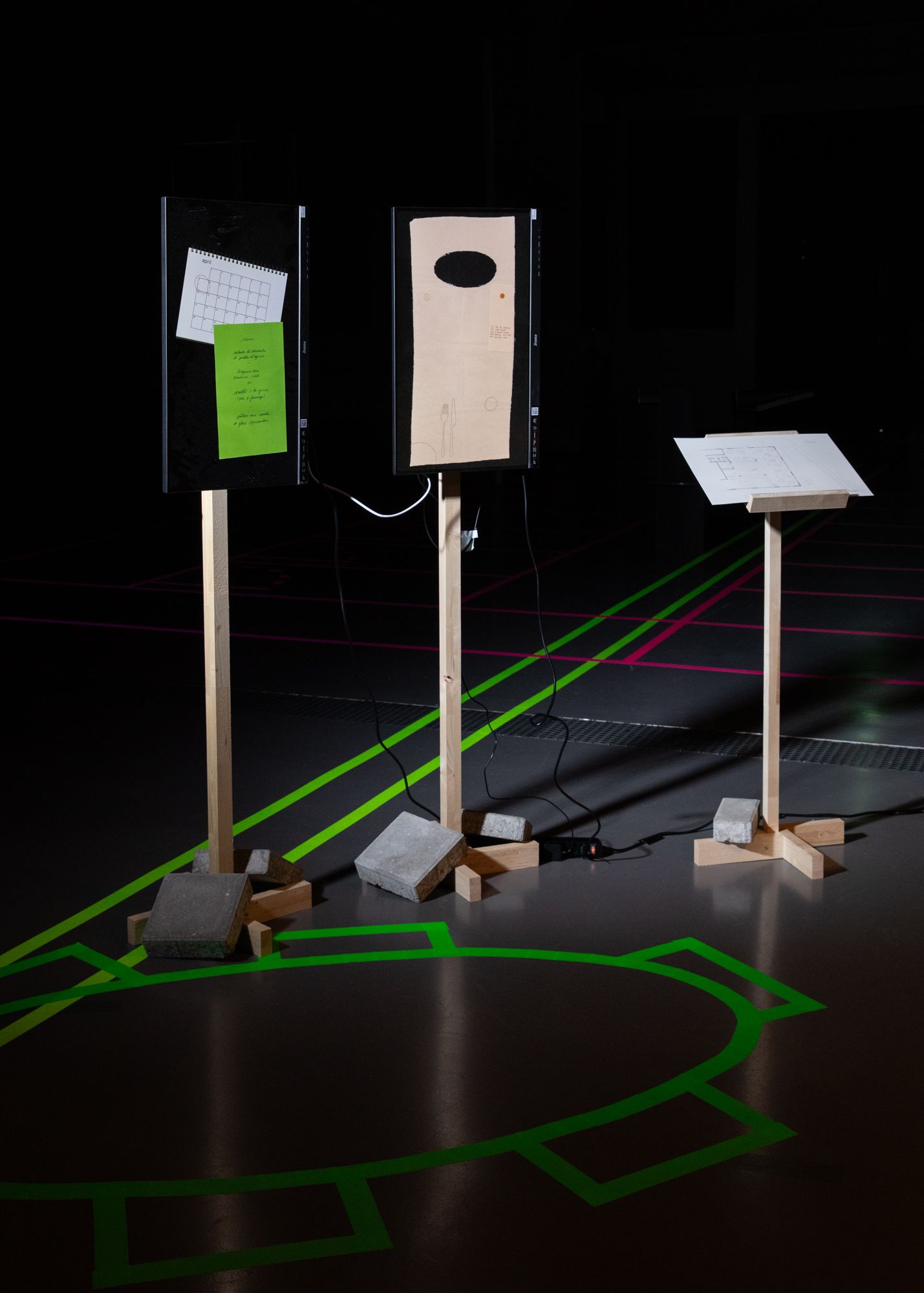
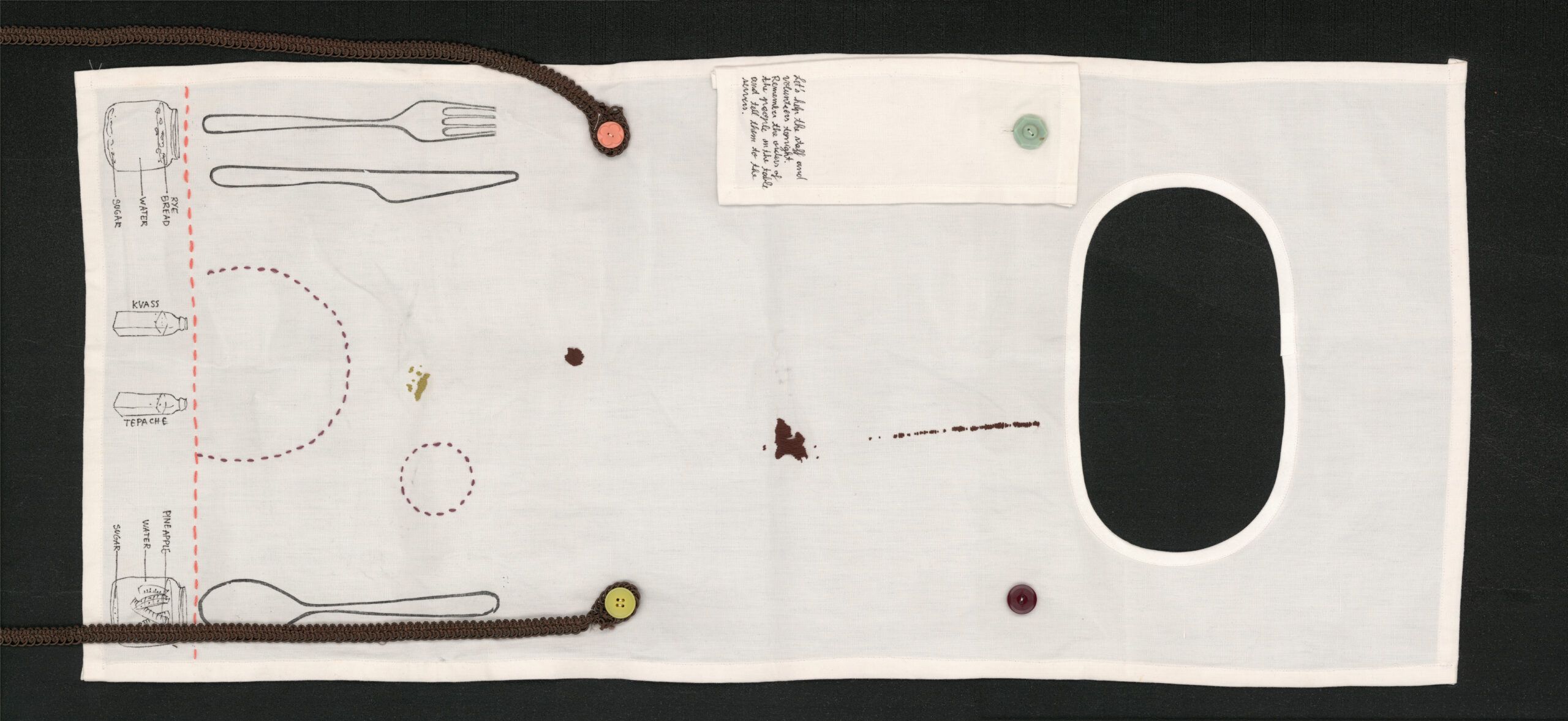
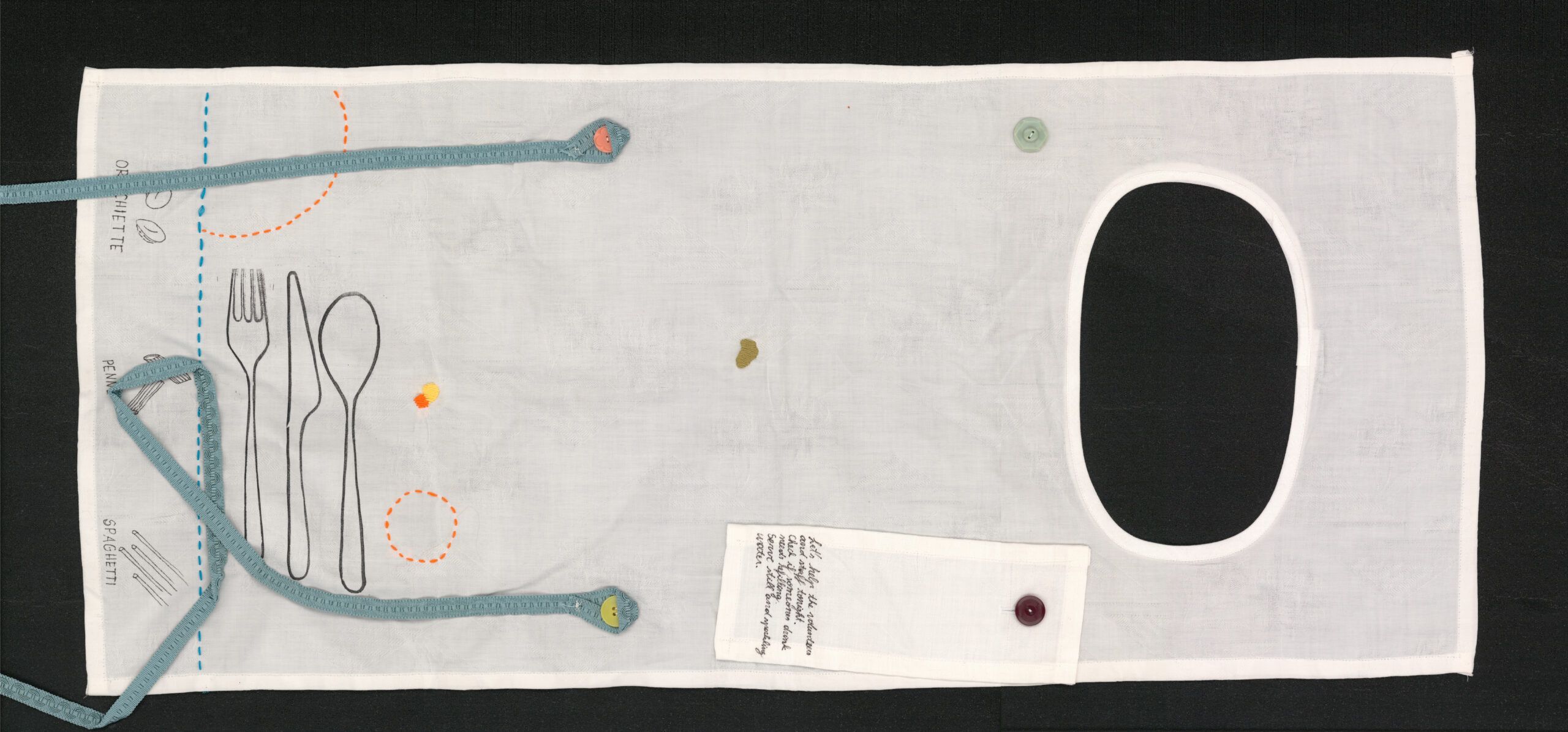
In collaboration with Refettorio Geneva, a restaurant offering full meals to those who cannot afford them, The Social Fabric of Dining transforms table linens into a canvas of information and connection. Through the design of a custom napkin—in the shape of a bib–placemat hybrid—it extends one step further to physically and practically connect the users to the table, the tableware, and the other diners. Once a week for five weeks, a table of diners at Refettorio used and tested the napkins, creating a collaborative and communal design process for making changes or updates to them.
The Social Fabric of Dining seeks to disrupt the conventional consumer relationship by making the invisible labor at Refettorio behind every meal—sourcing, preparation, fermentation—impossible to ignore, and turning it into a shared labor. Each element on the napkin plays a role in making the textiles not just decorative, but interactive; encouraging touch, curiosity, and exchange.
The use of textile techniques for this project draws a deliberate connection between the care work involved in cooking and hosting, and the traditional craftsmanship of textiles—both historically feminized forms of labor. By centering these often-overlooked practices, The Social Fabric of Dining reclaims them as essential to the dining experience. Finally, as with any designed object, these table settings shape how we engage with our environment—underscoring that design is never neutral.
By weaving together visibility, participation, and care, this project challenges the exclusivity of fine dining and reclaims the table as a space of genuine exchange.