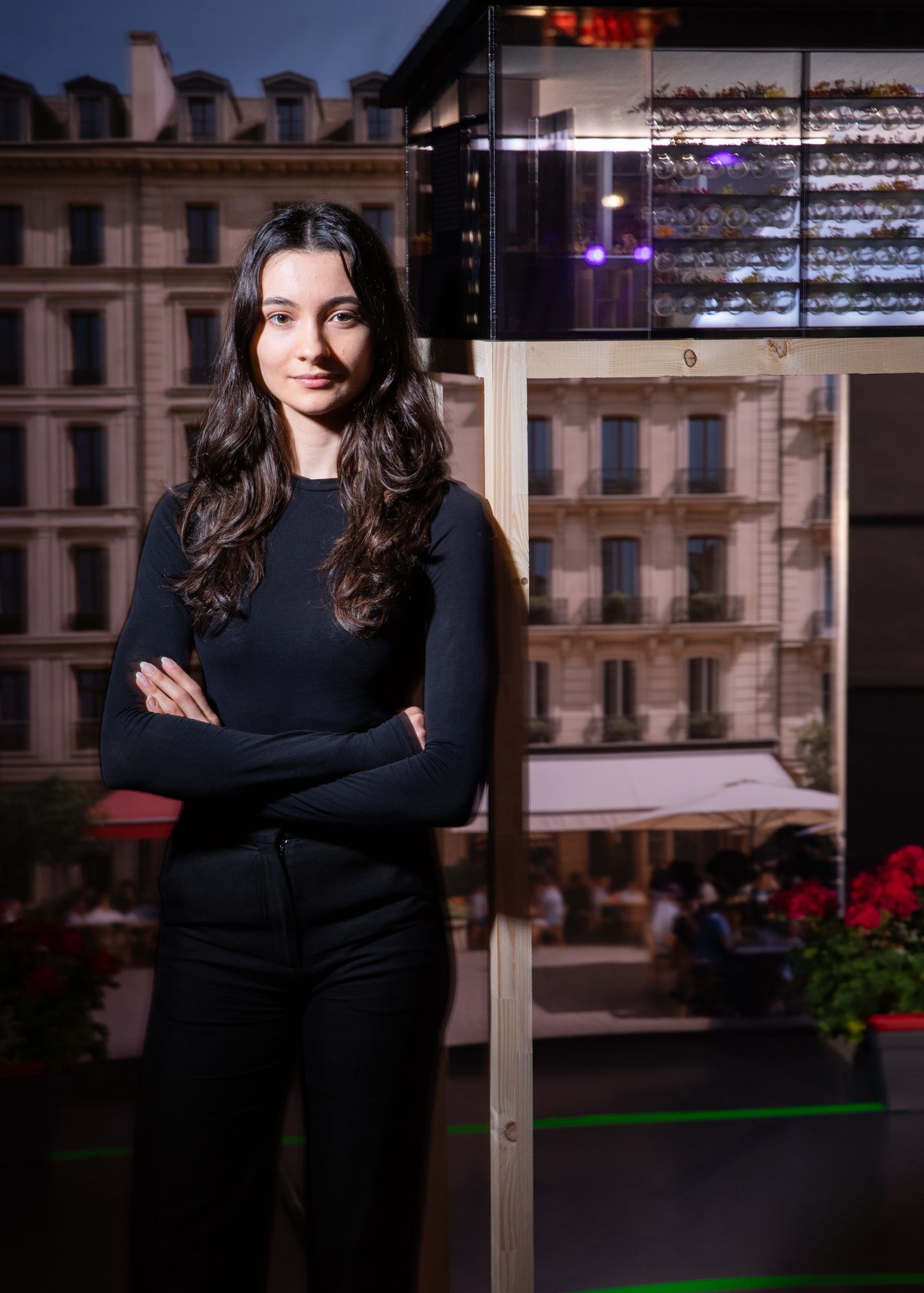
Célia Tourette is a French interior architect and product designer. Her work investigates the relationship between objects and spaces, with a particular focus on material longevity and artisanal precision. Deeply influenced by her experience living between Europe and Asia, she approaches each project with adaptability, cultural sensitivity, and a commitment to designing for care and repair.
She began her education with a foundation year, followed by a Bachelor’s degree in Industrial Design at ECAL. She went on to gain professional experience at Studio Patrick Norguet in Paris and at Hermès Horizons, where she worked as a product designer. In 2025, she completed the Master of Arts in Interior Architecture at HEAD – Genève. Alongside her studies, she collaborated with the studios YKRA and Dimanche in Geneva and developed a diploma project focused on spatial intimacy. She is currently working independently on projects under her own name, overseeing both structural renovations and custom interior design. Her practice continues to evolve toward a design approach grounded in technical precision, local collaboration, and a conscious use of materials.
Diploma Project
Spotlight on Intimacy
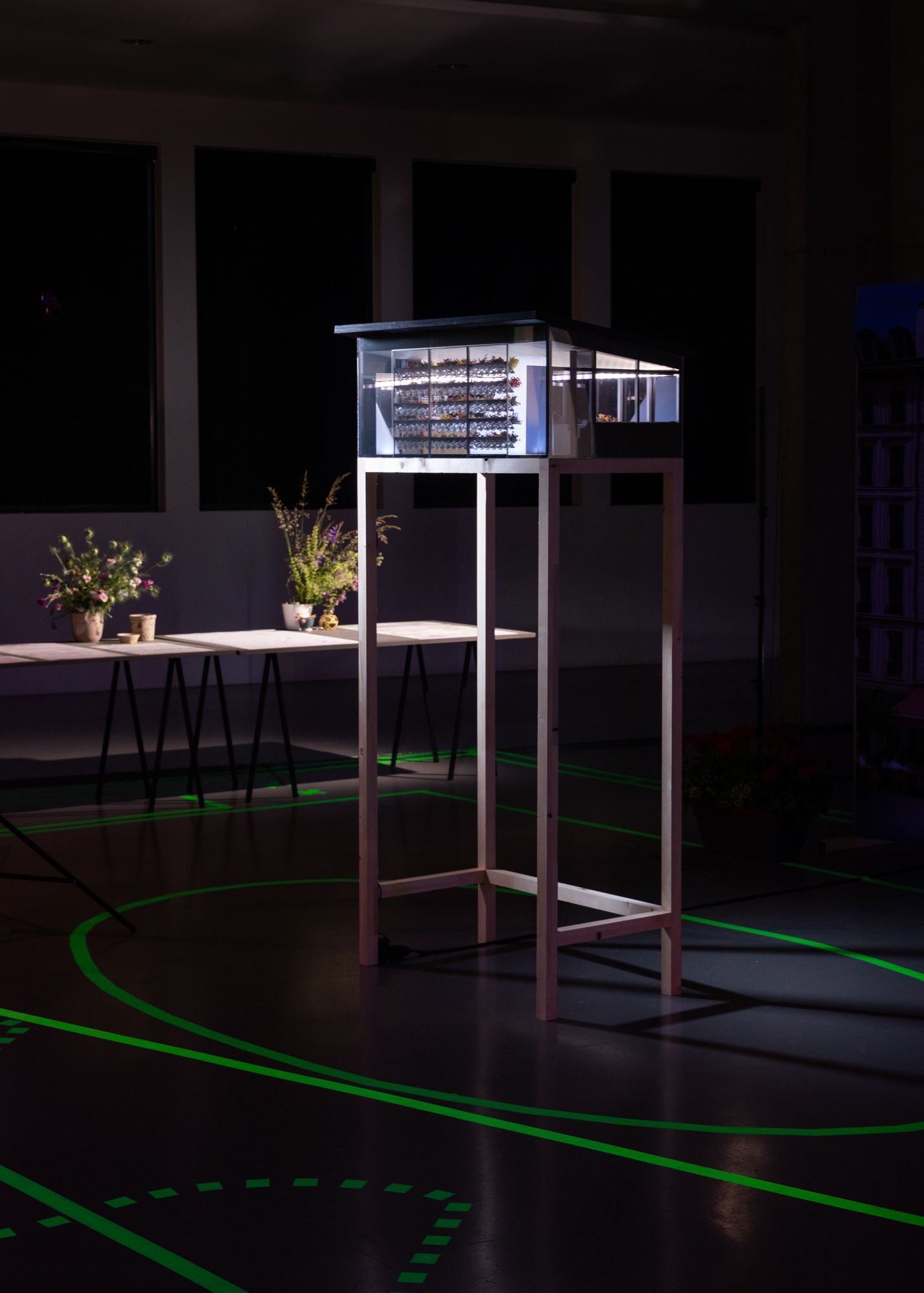
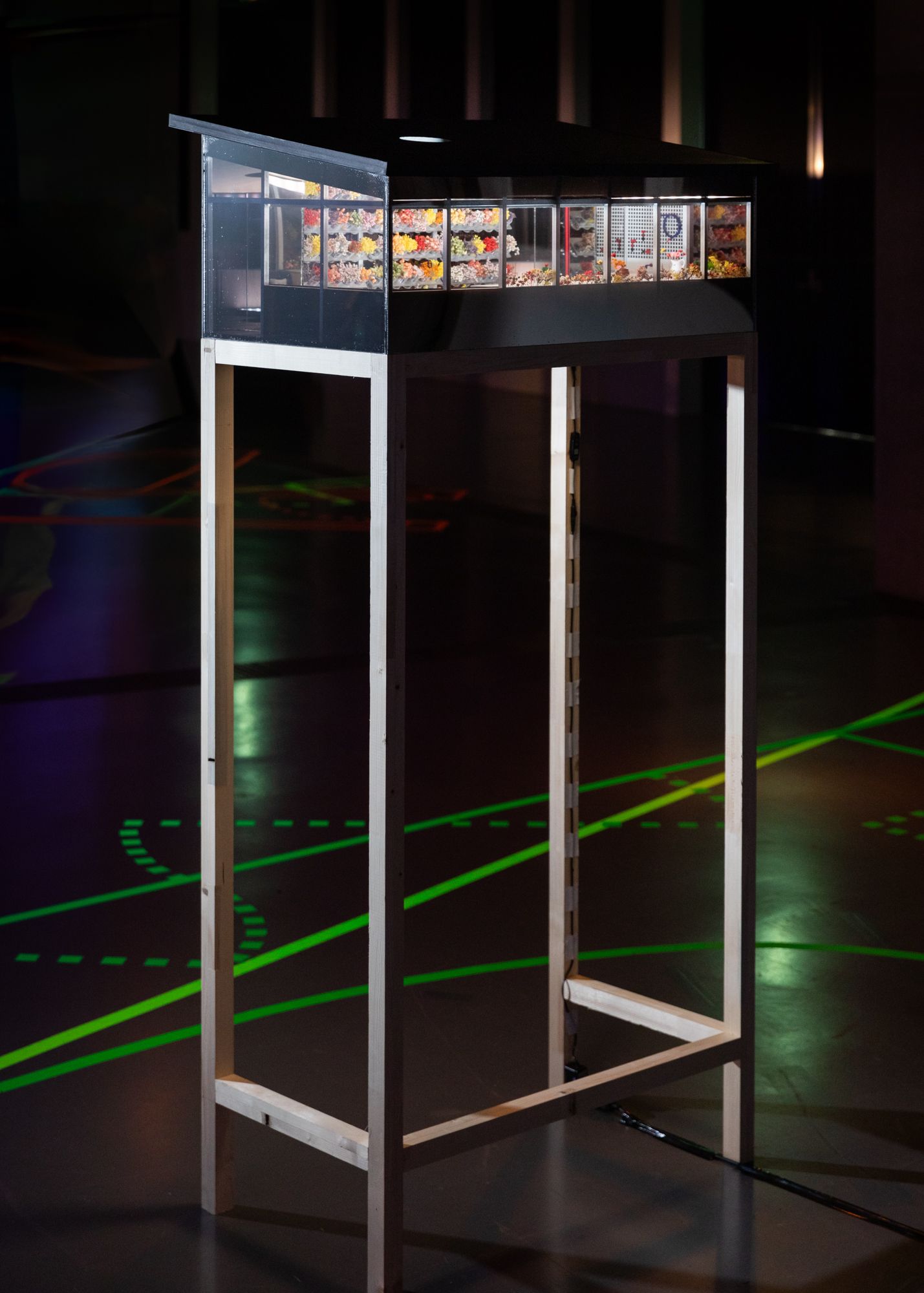
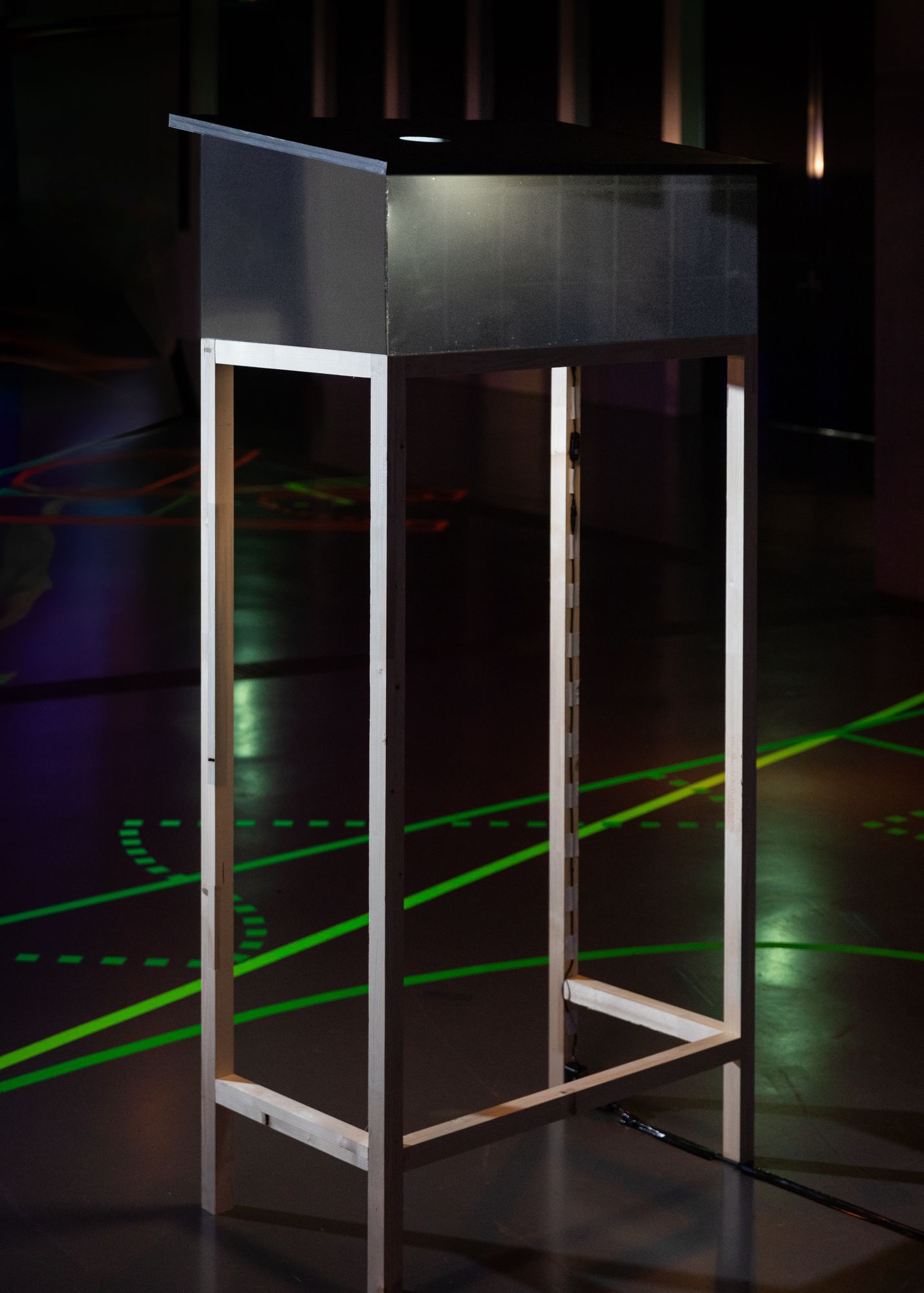
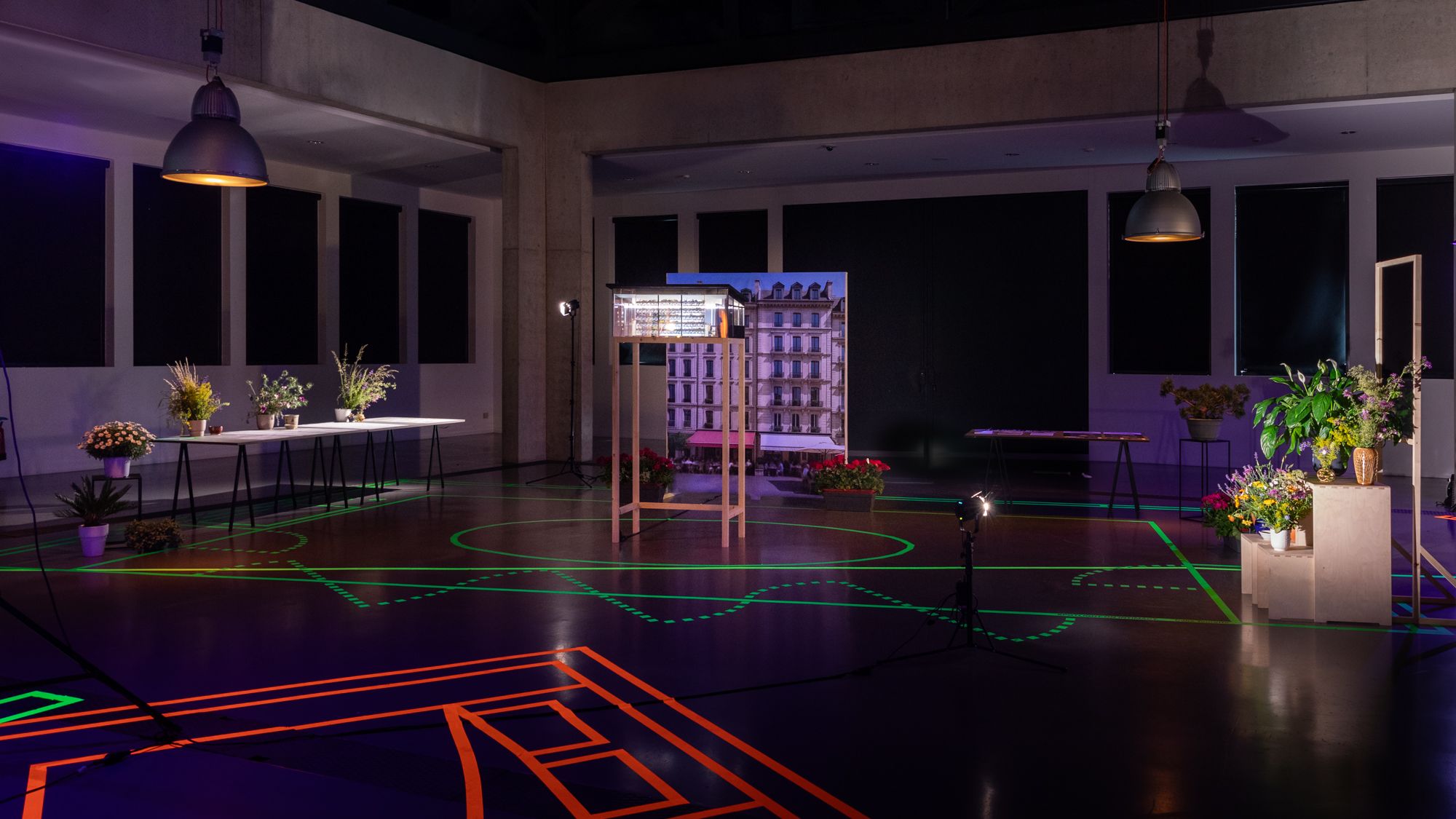
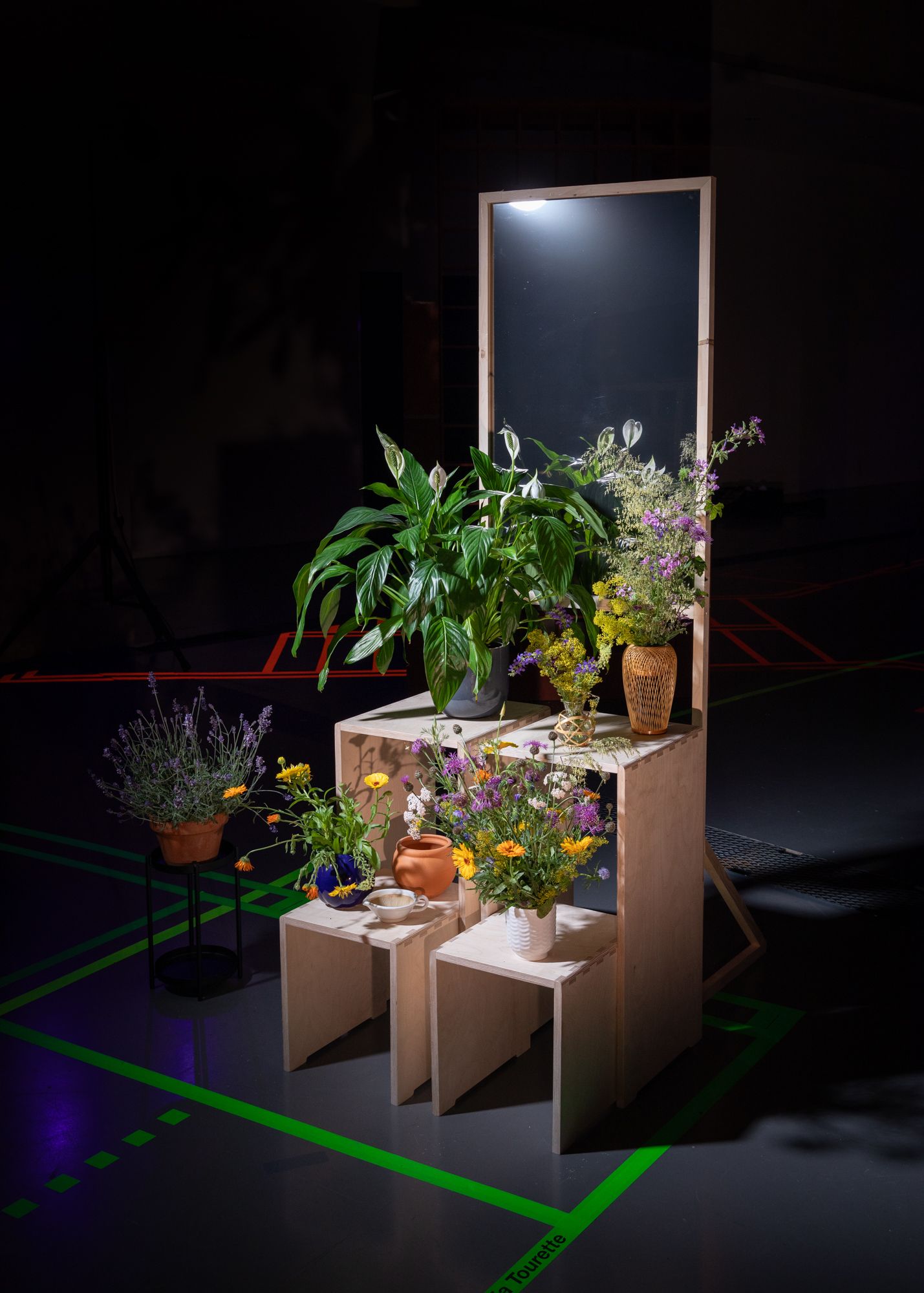
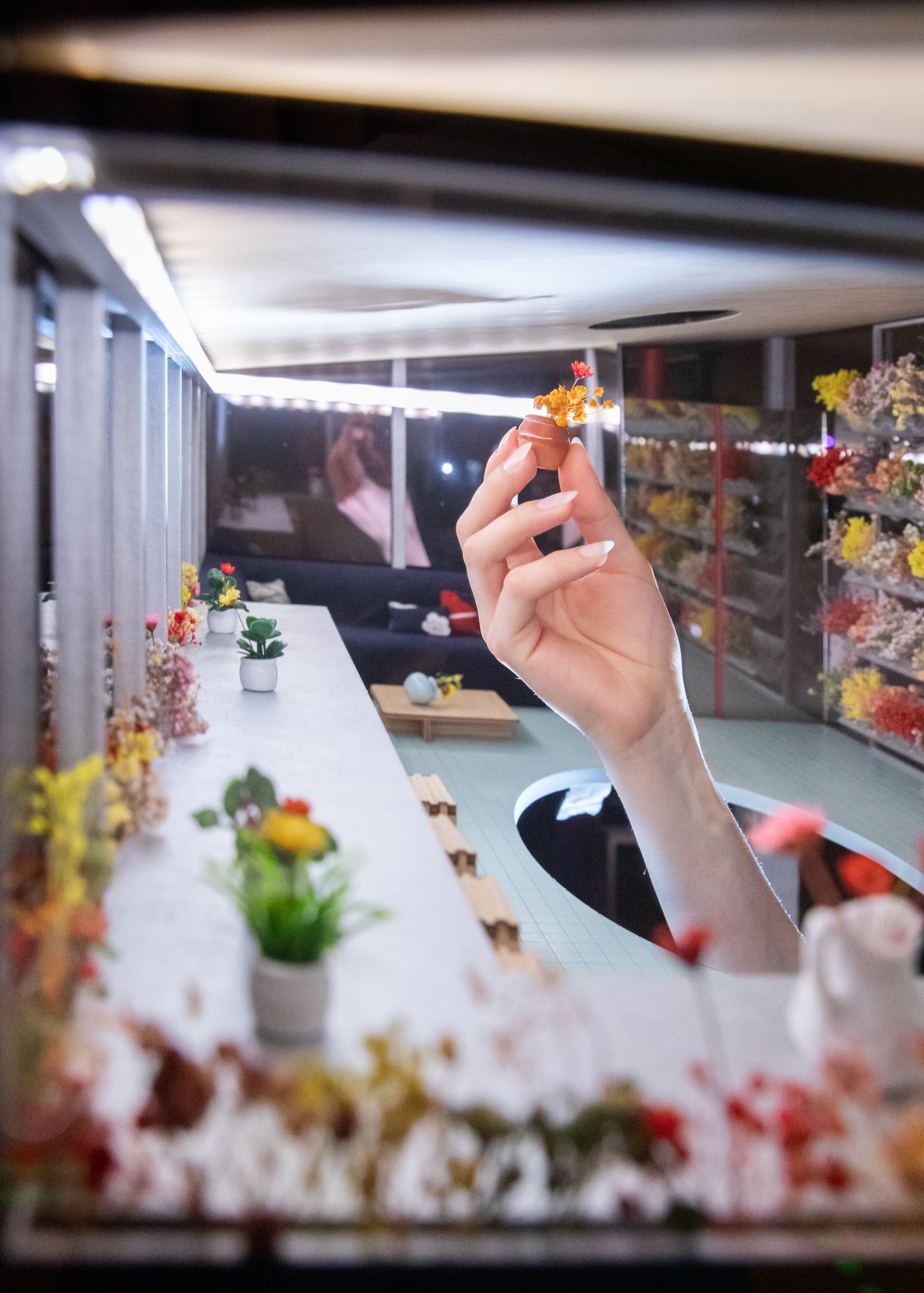
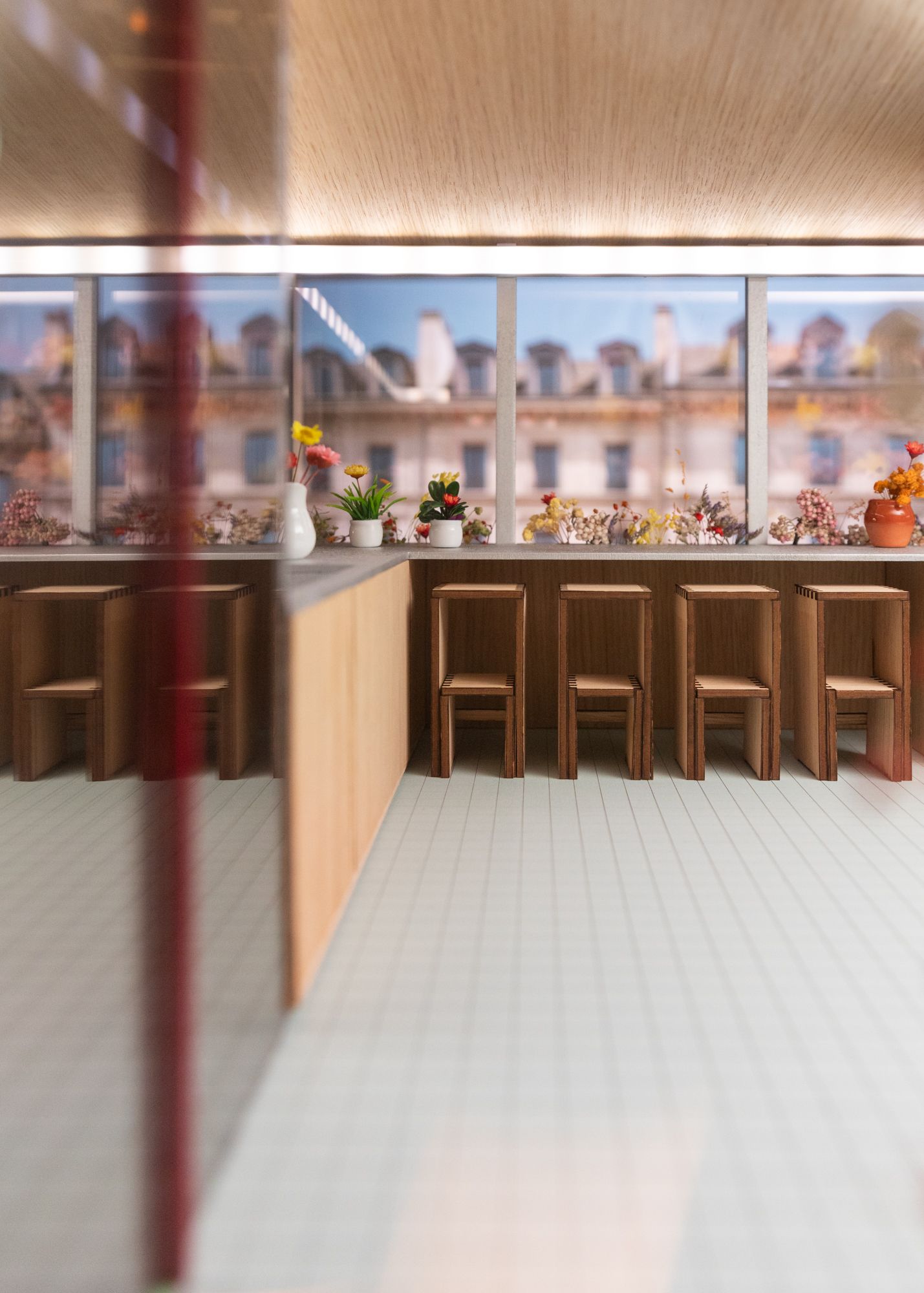
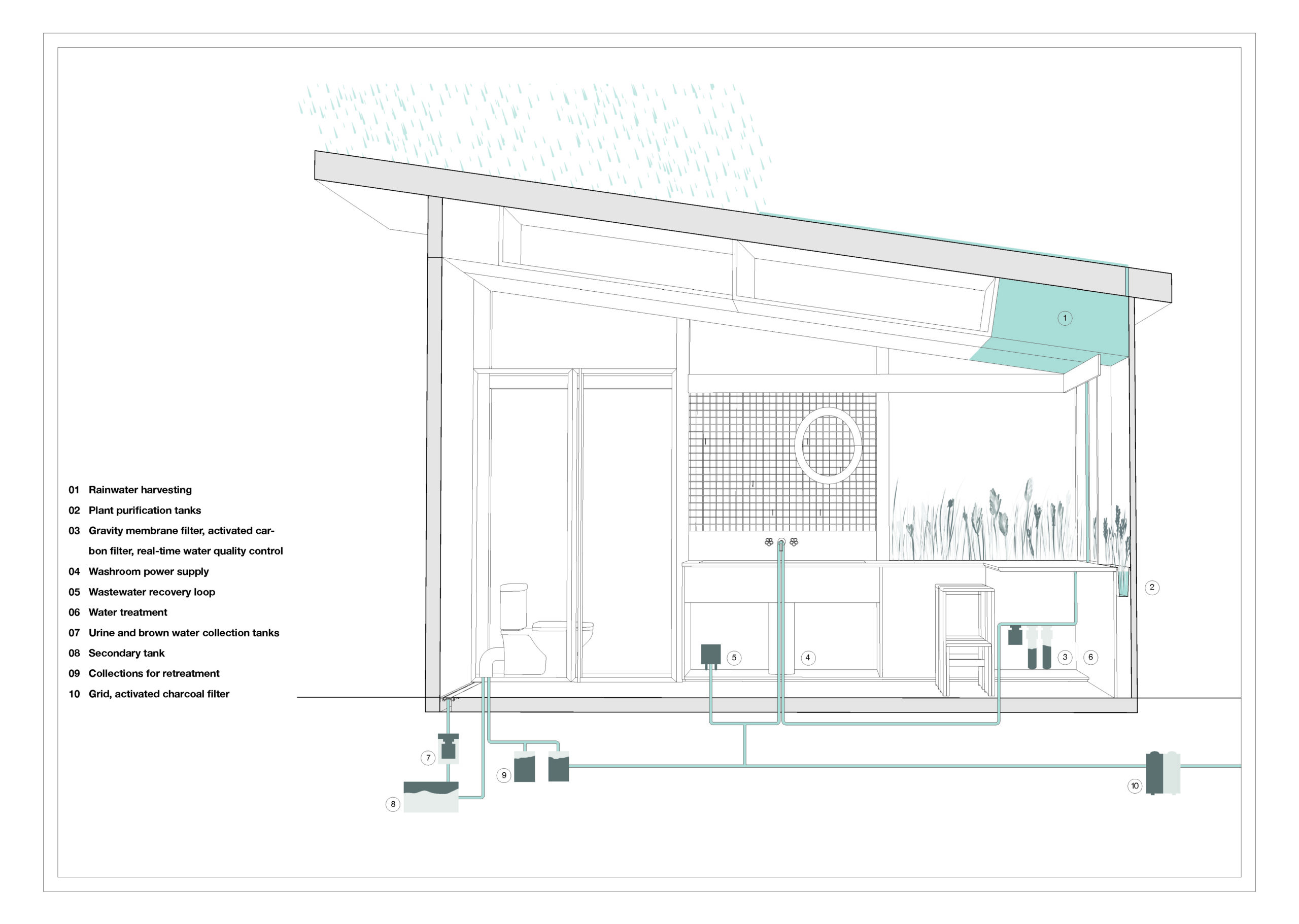
Spotlight on Intimacy is an architectural project that transforms a former glass flower shop, nestled in the heart of Geneva’s lively pedestrian square, into a florist’s home. It questions how we inhabit transparency in a world where privacy is exposed, staged, or lost. Rather than hiding intimacy, it choreographs it. Through mirrored glass, layered textiles, and mobile thresholds, the inhabitant modulates visibility—never absolute, always nuanced and shifting. Living and working intertwine. Every detail follows the florist’s rhythm: surfaces serve multiple roles, water circulates and nourishes both body and plants, and nothing is wasted. Even the bedroom conceals itself through light and fabric, a sanctuary hidden behind its own mise-en-scène.
Pressed against the city, the home embraces the tension between being seen and remaining unseen. As a house behind a shop window, it reflects a world of constant visibility and fluid borders. Intimacy becomes an active choice. Far from celebrating transparency, this glass house reveals the discomfort of exposure and the impossibility of full control.