Martino De Grandis (he/him) is an Italian photographer and interior architect working across architecture, image-making, and object culture. His work explores how economic, cultural, and ecological conditions shape the production and perception of space, and how power relations are materialised and mediated through environments, spatial behaviours, and images. Through collaborative research, site-specific installations, photographic production, and exhibitions, he constructs speculative narratives and alternative readings that question our built environment.
Martino previously earned a Bachelor of Arts and Design from the Photography Department of the Gerrit Rietveld Academie in Amsterdam, with an exchange semester at ÉCAL in Lausanne. His graduation project, Where are you? – I’m home, received the Hogeschool van Amsterdam (HvA) Prize. His collaboration with motion designer Elina Crespi was selected for the Geneva Film Festival, and, together with architect Maria Turco, he received the Buildner Student Award and the Buildner Sustainability Award. Alongside his independent practice, he worked at the design studios Formafantasma in Milan and Random Studio in Amsterdam. Interested in further developing his spatial and research practice, he joined the Master of Arts in Interior Architecture (MAIA) program at HEAD – Genève. Alongside his academic work, he has contributed to numerous exhibitions and participated in international events, including Milan Design Week, the Biennale of Architecture and Landscape in France, HELGA, and the Swiss Architecture Award.
Diploma Project
Under One Roof
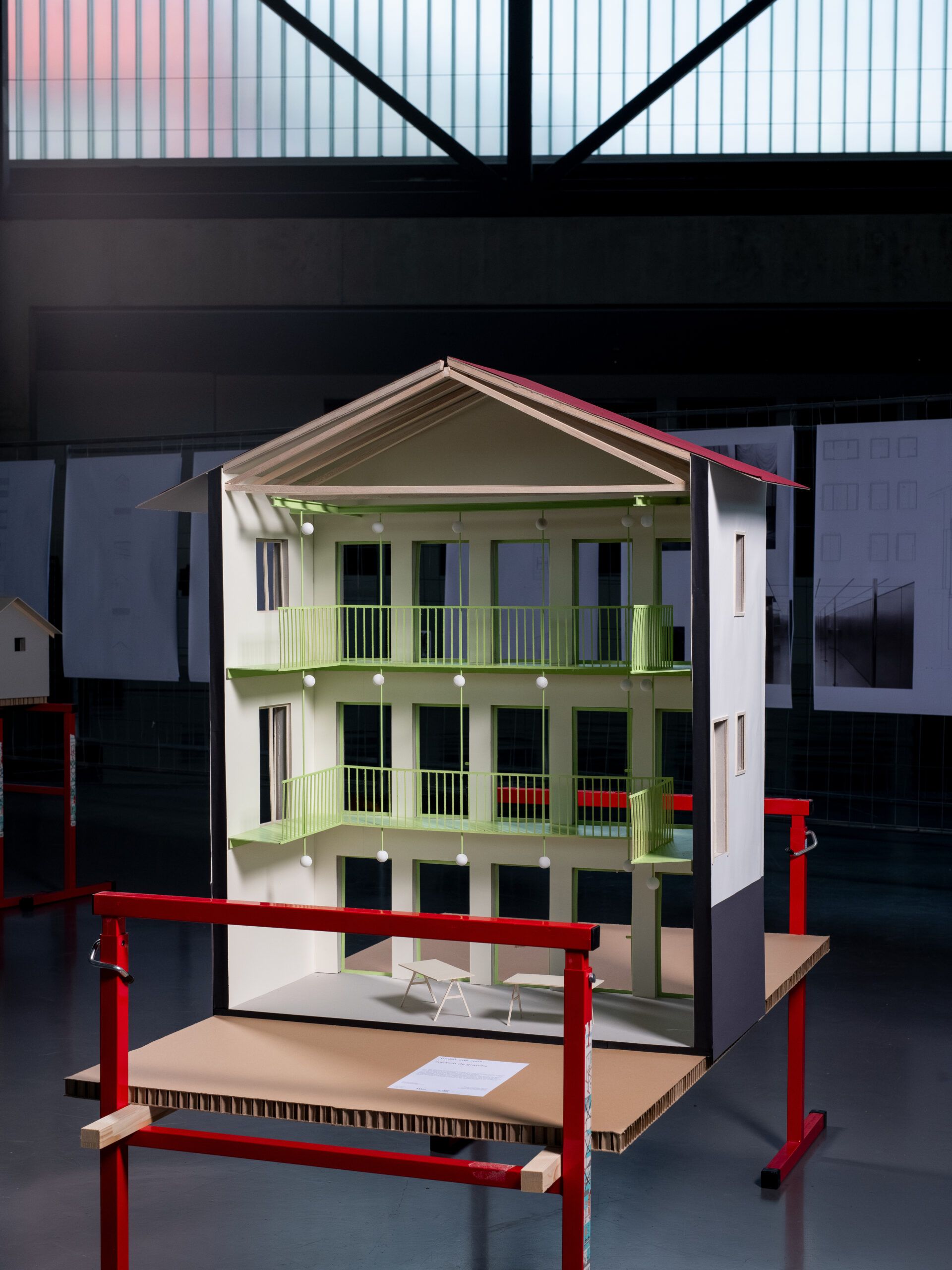
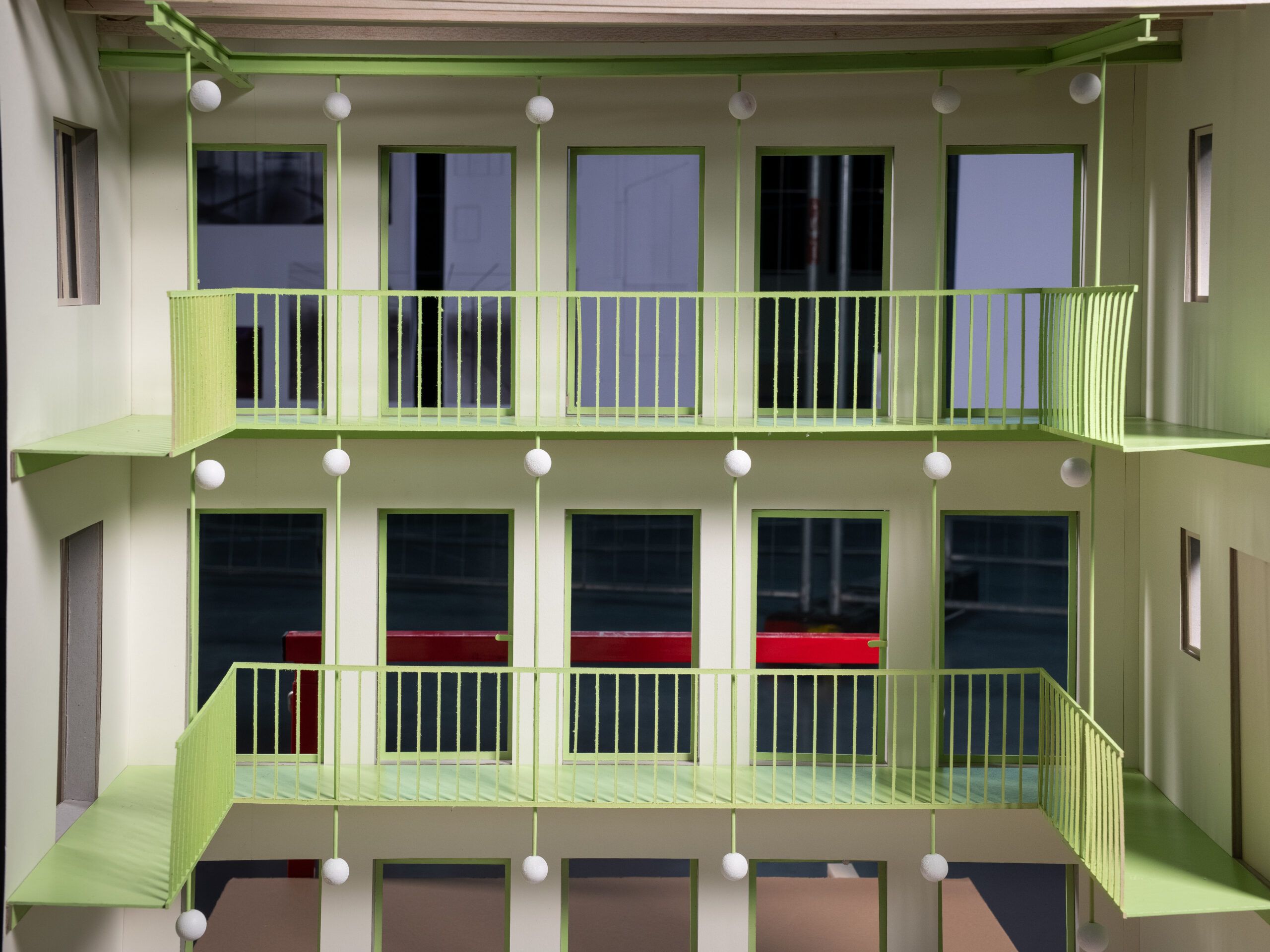
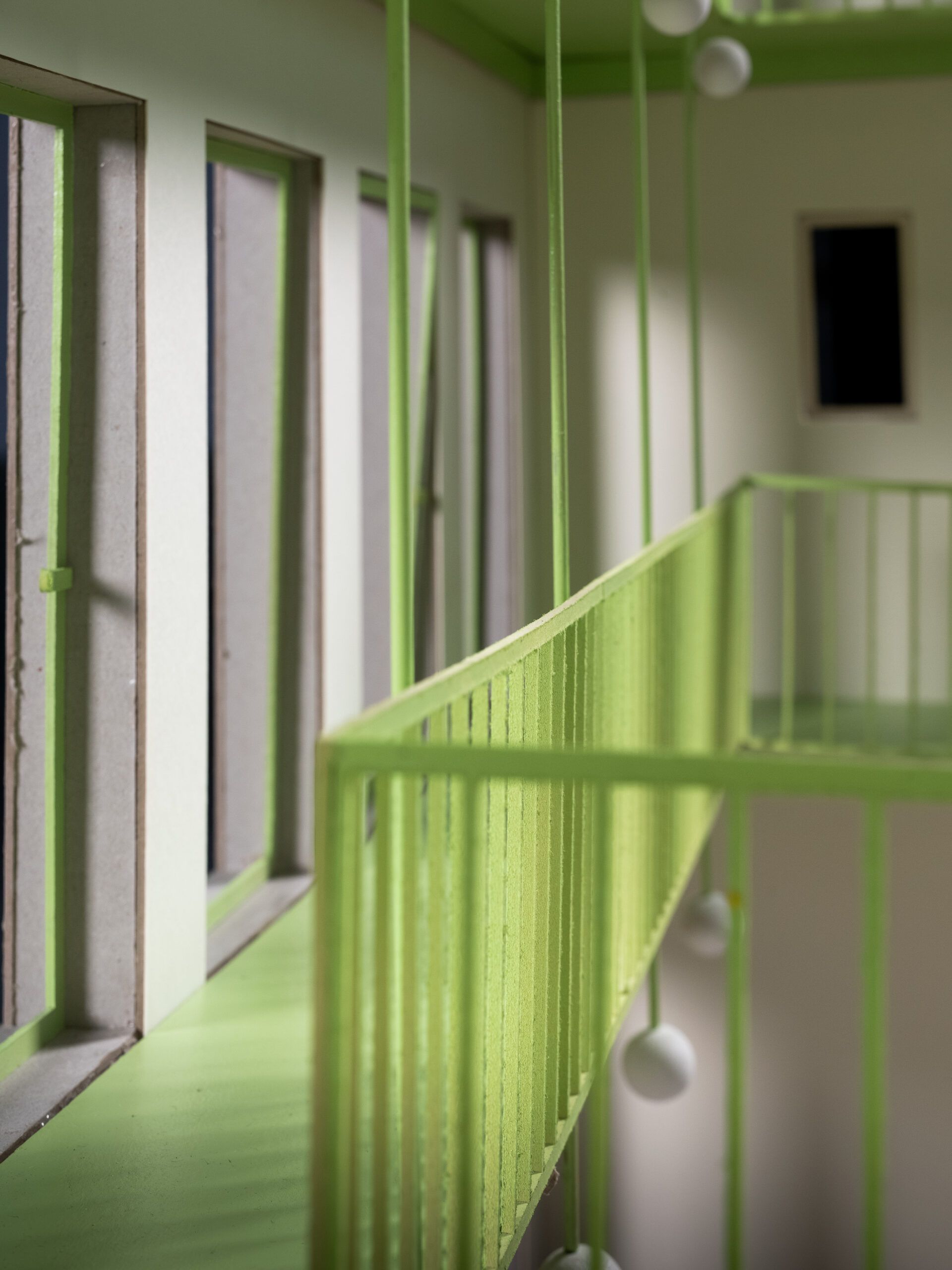
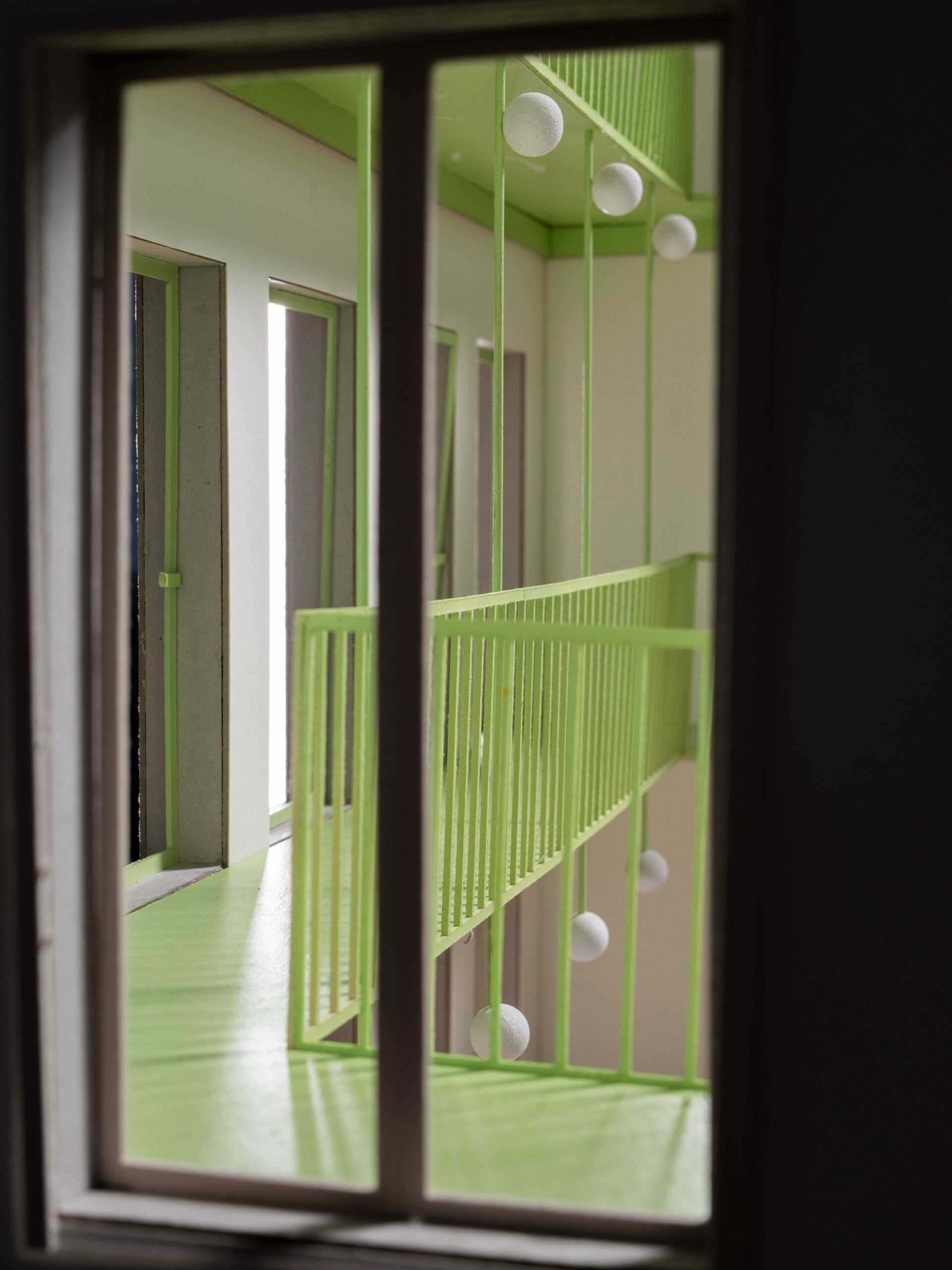
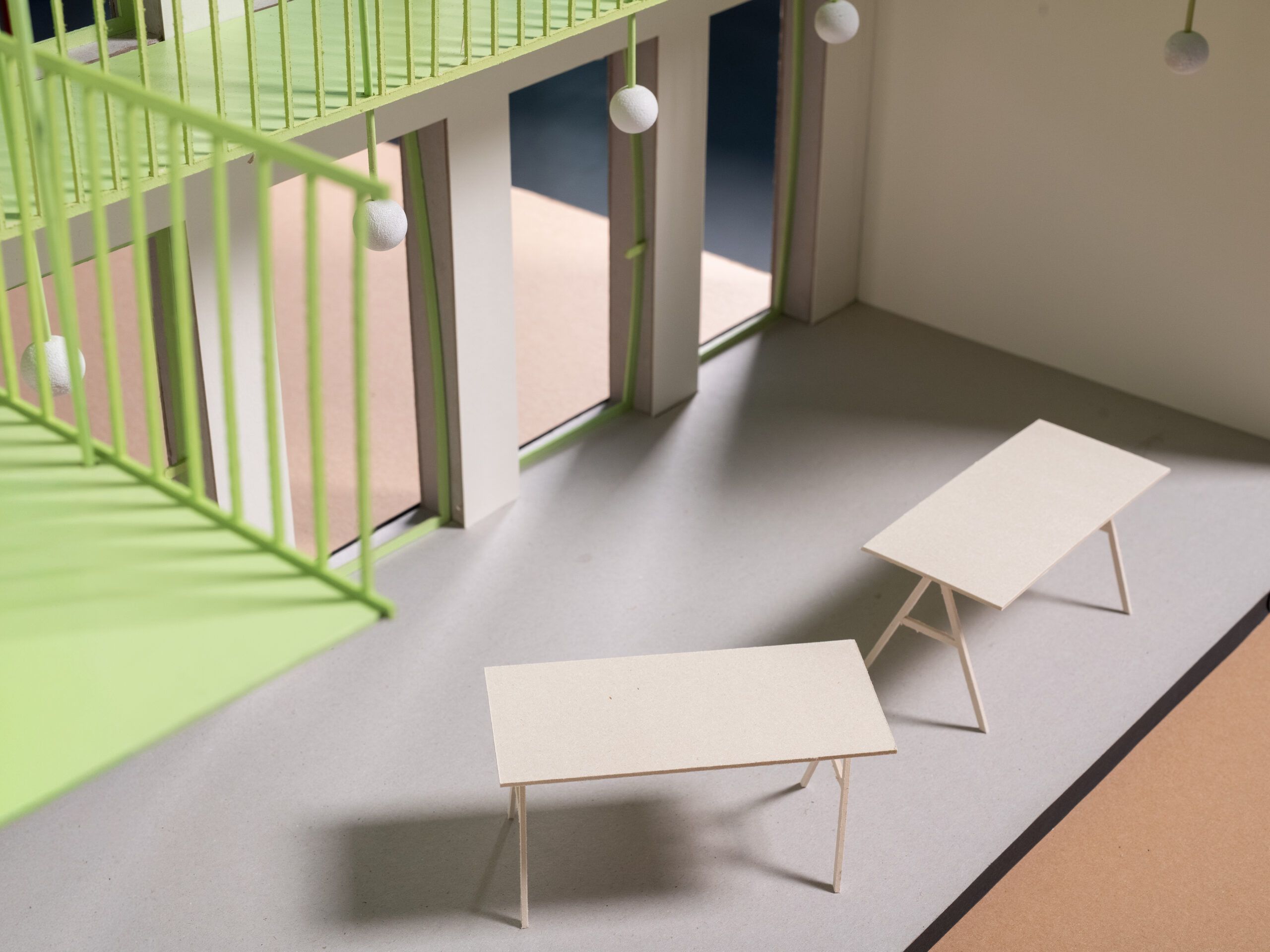
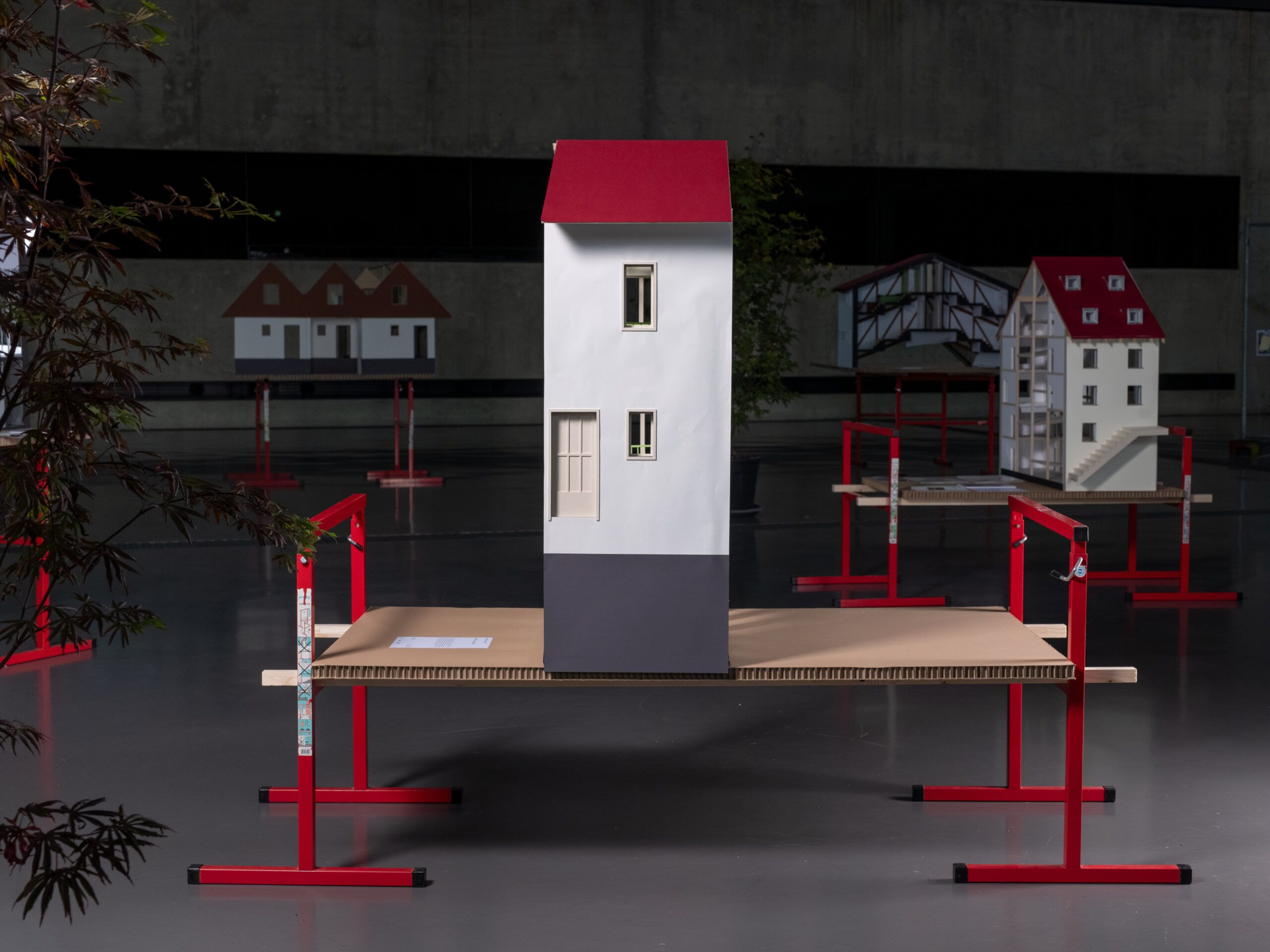
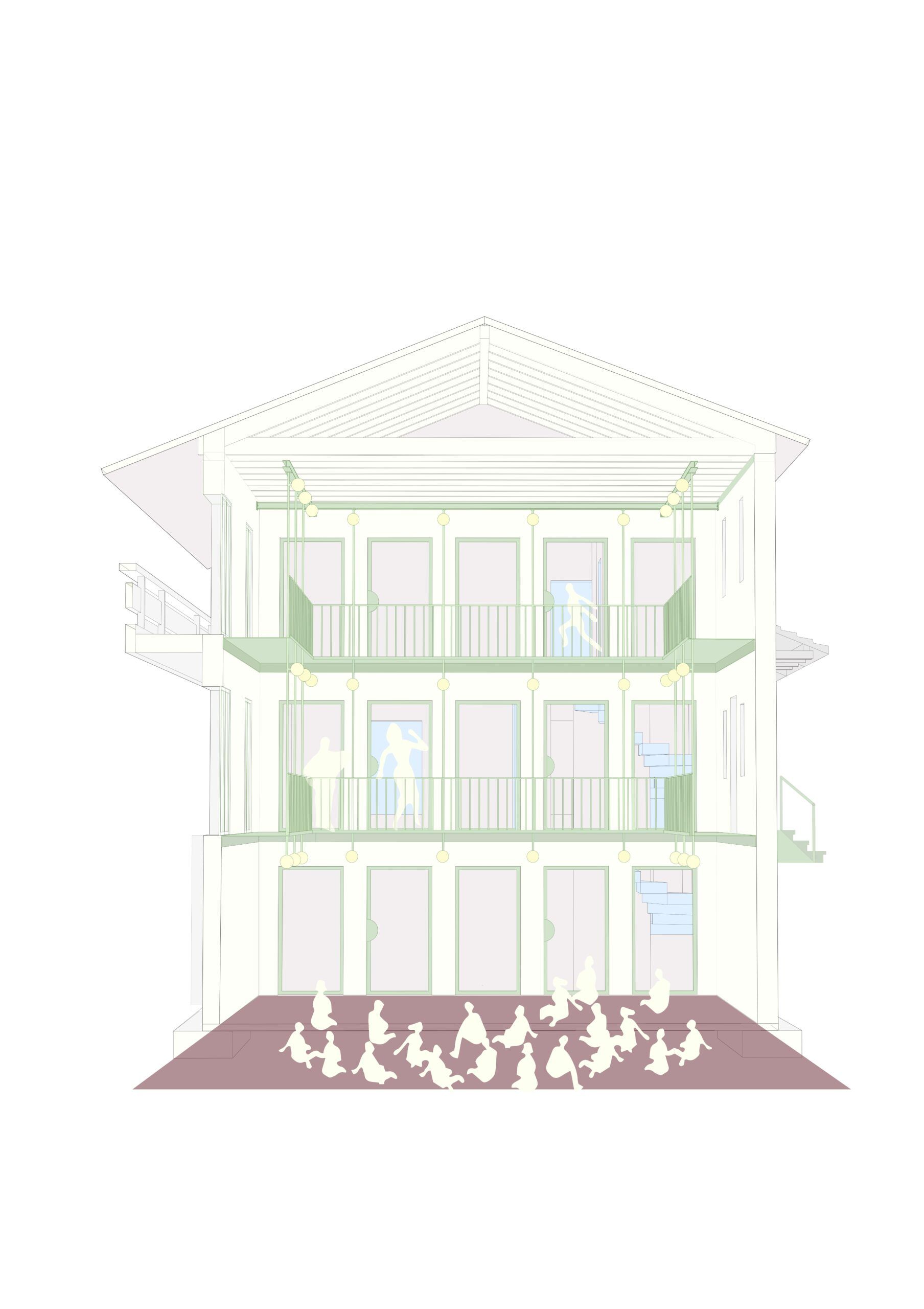
Two identical halves live side by side, mirroring each other across a shared wall. This threshold is challenged as a material to engage, reinterpret, and transform. What once delimited privacy now invites dialogue. The project explores the conversion of a 1950s twin house into a neighbourhood centre through its inherent spatial duality. Rather than erasing the domestic typology, the intervention develops from within it, differentiating the two mirrored halves into distinct but related spatial conditions. One half preserves its original domestic grammar, while the other is restored toward the collective: opened, reoriented, and made available to the neighbourhood.