Geneva
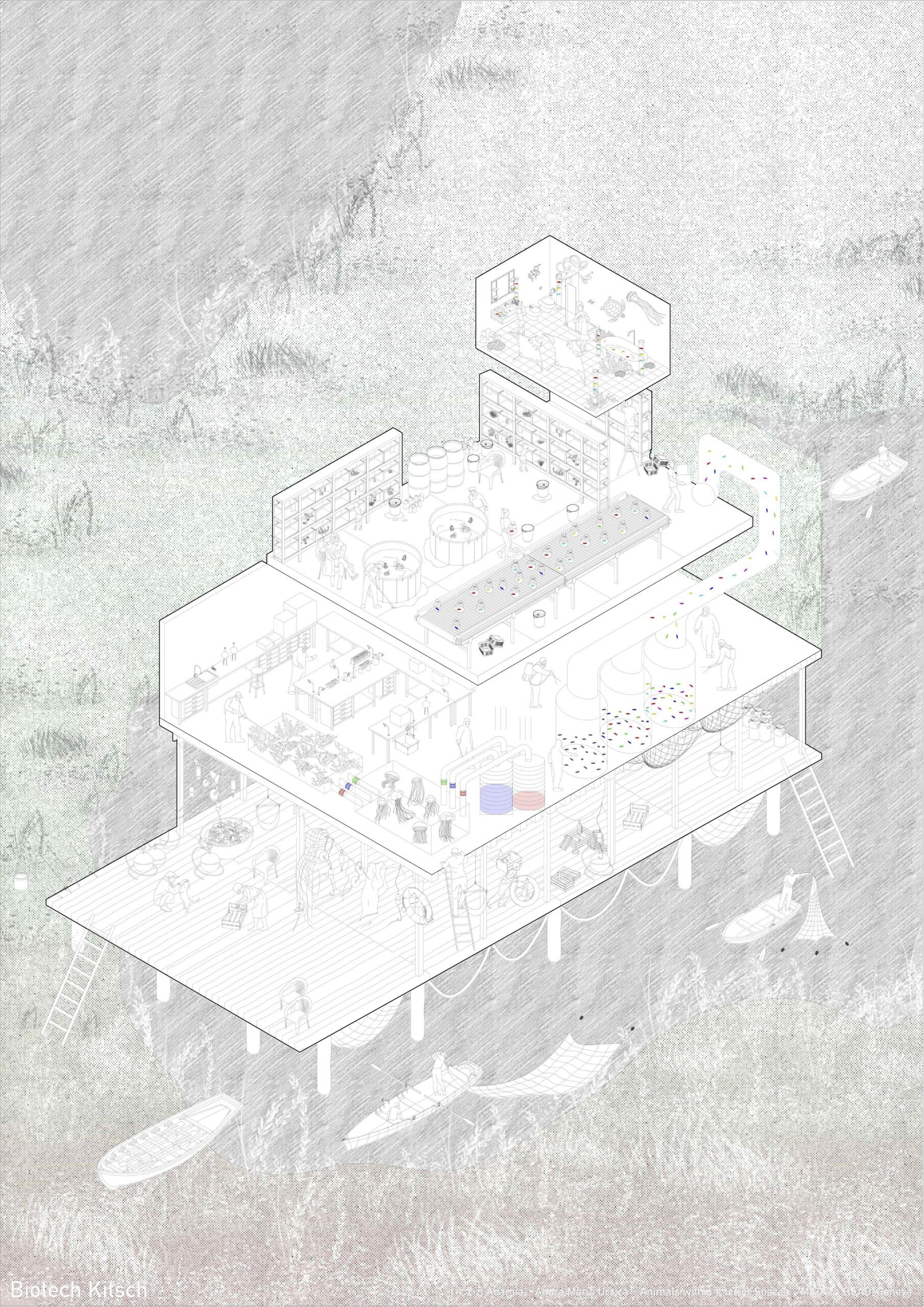
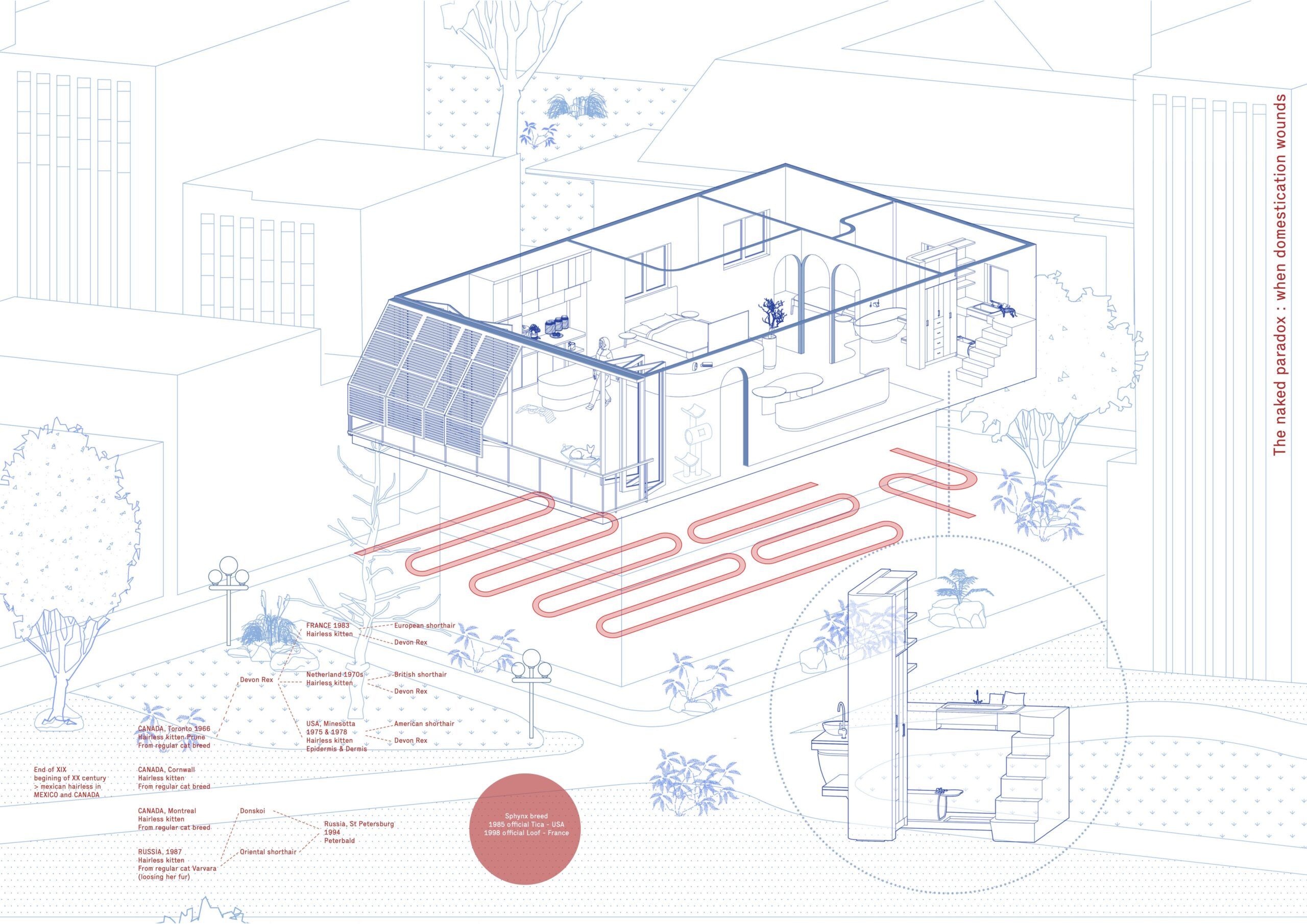
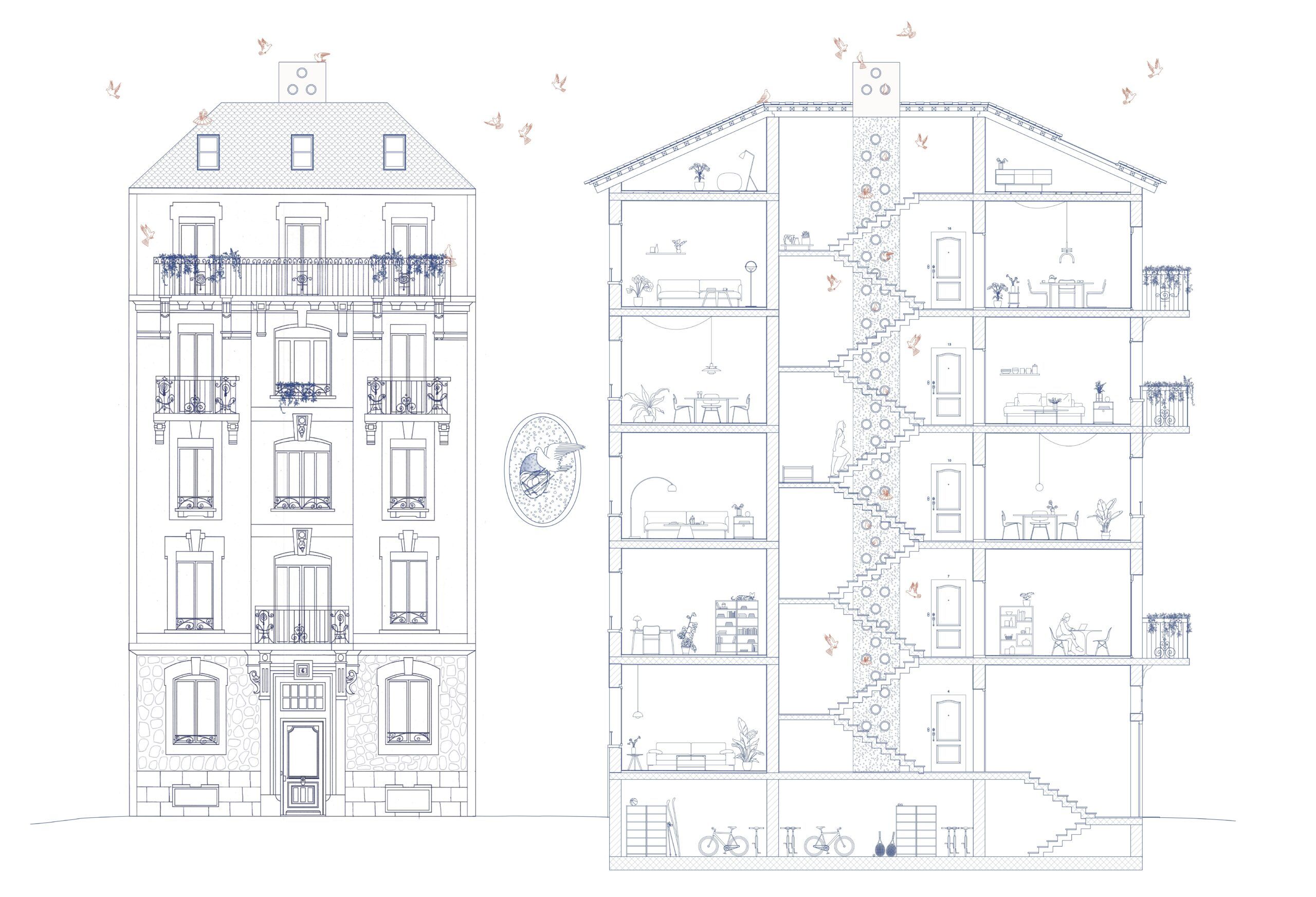
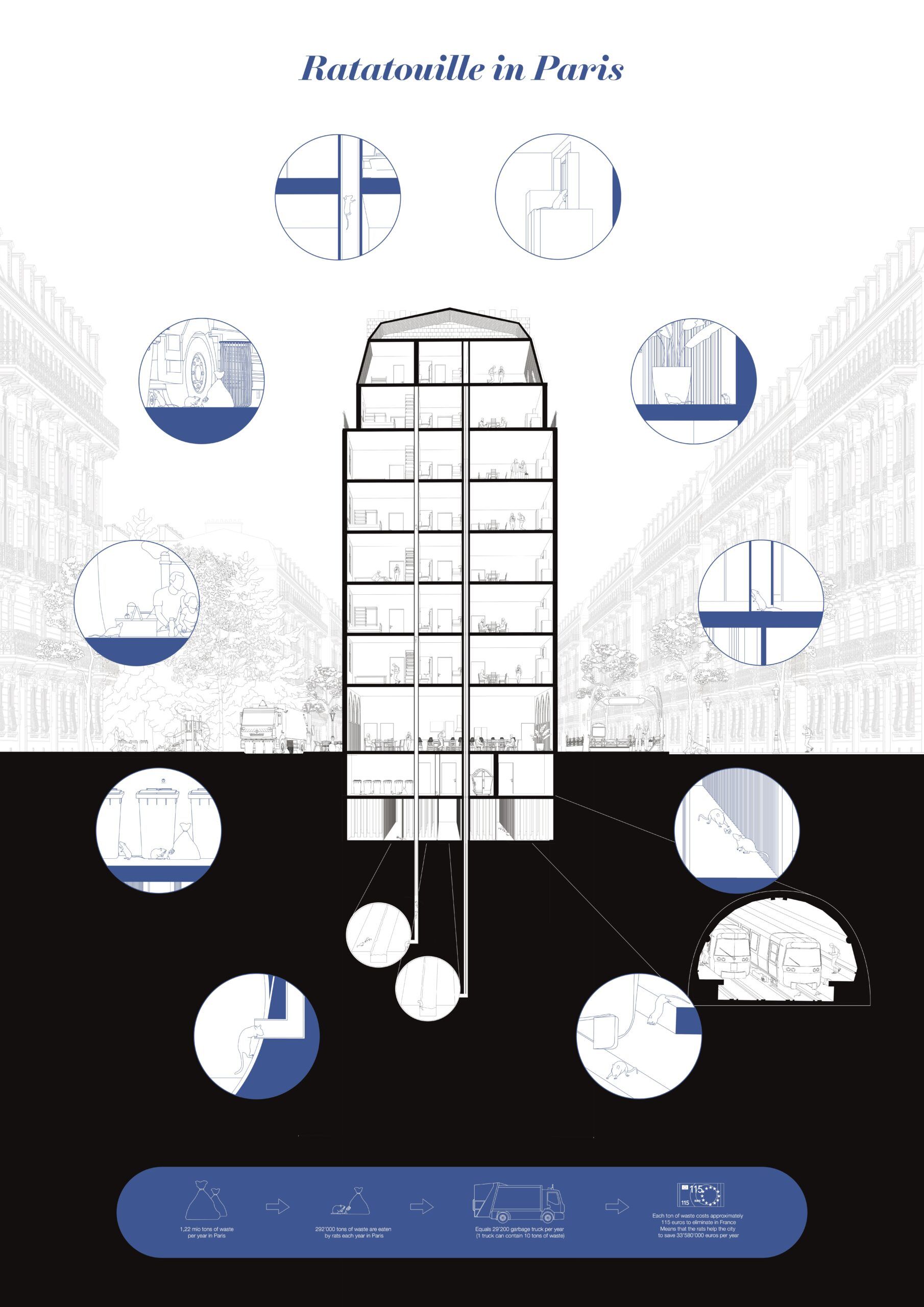
This workshop demonstrated how interior architecture actively shapes modes of cohabitation between humans and animals, revealing domestication as a spatial, material, and cultural process rather than a purely biological one. Through collective research and speculative projects, students challenged the conventional notion of the “pet,” instead examining animals as ecological agents, symbolic figures, laborers, commodities, and co-inhabitants of domestic and urban environments.
By engaging cases ranging from rats, pigeons, bees, snakes, fish, to selectively bred cats, the work exposed the ambivalence of domestication: animals are simultaneously integrated, exploited, aestheticized, and rendered dependent. Students showed how interiors—from aquariums and staircases to rooftops and furniture—mediate power relations, ethical responsibility, and sensory experience, often transforming animals’ behaviors, bodies, and lifeworlds. The outcomes highlight interior design as a critical tool for rethinking coexistence, capable of either reinforcing domination or enabling more attentive, reciprocal forms of inhabitation across species.
Workshop Tutor: Lluís Alexandre Casanovas Blanco
Adamia Zizi, Mara Van Damme, Maria Andra Urzica, Fanny Hemidi, Jeremy Troilo, Paul Rigal, Emilie Lietchi, Lisa Divorne, Luna Clertan, Annie Bornet, Axelle Joyau, Marine Fouillade, Diana Escalante, Mahiro Mortia, Tina Mirbaba
© HEAD — Genève