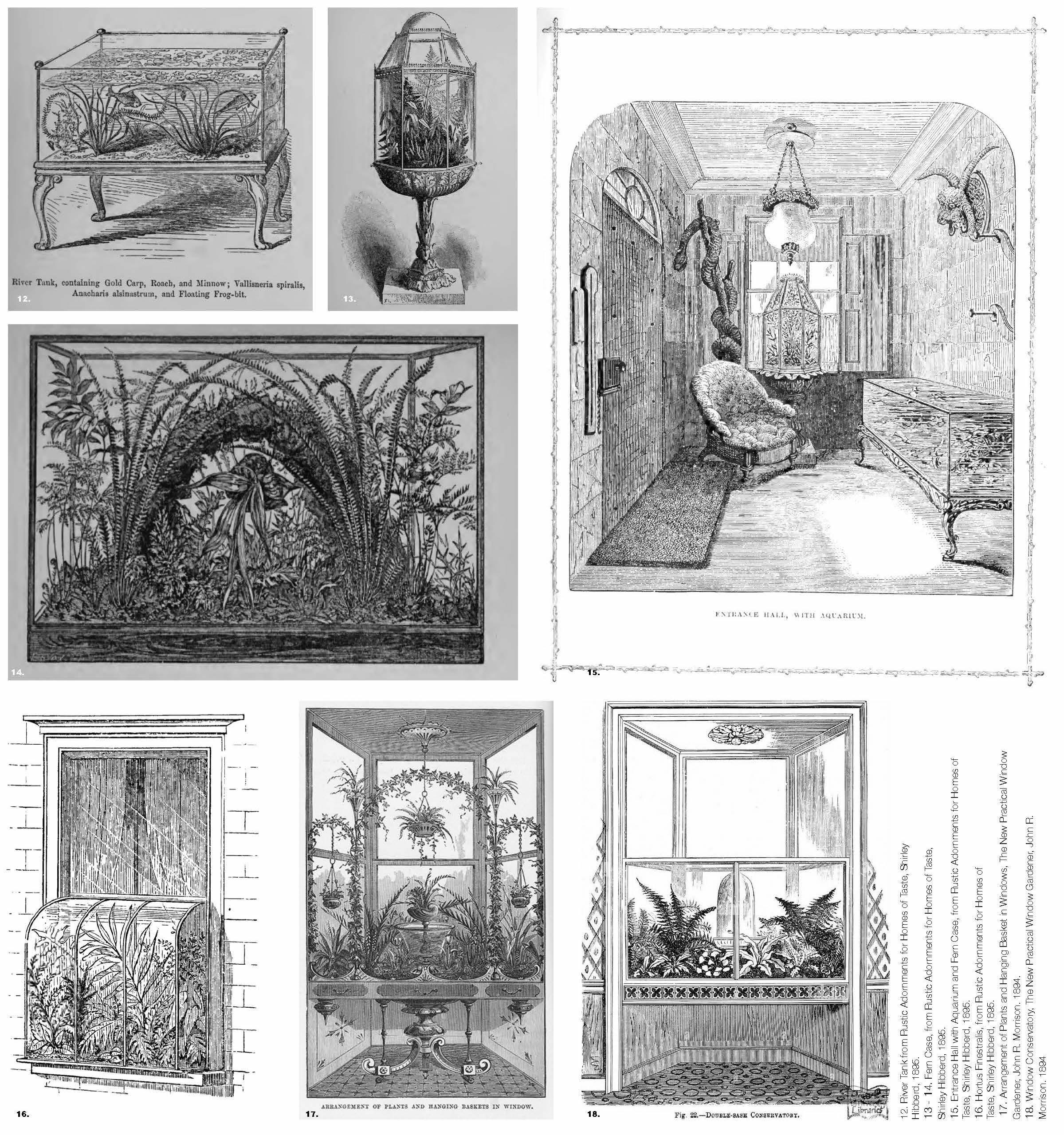
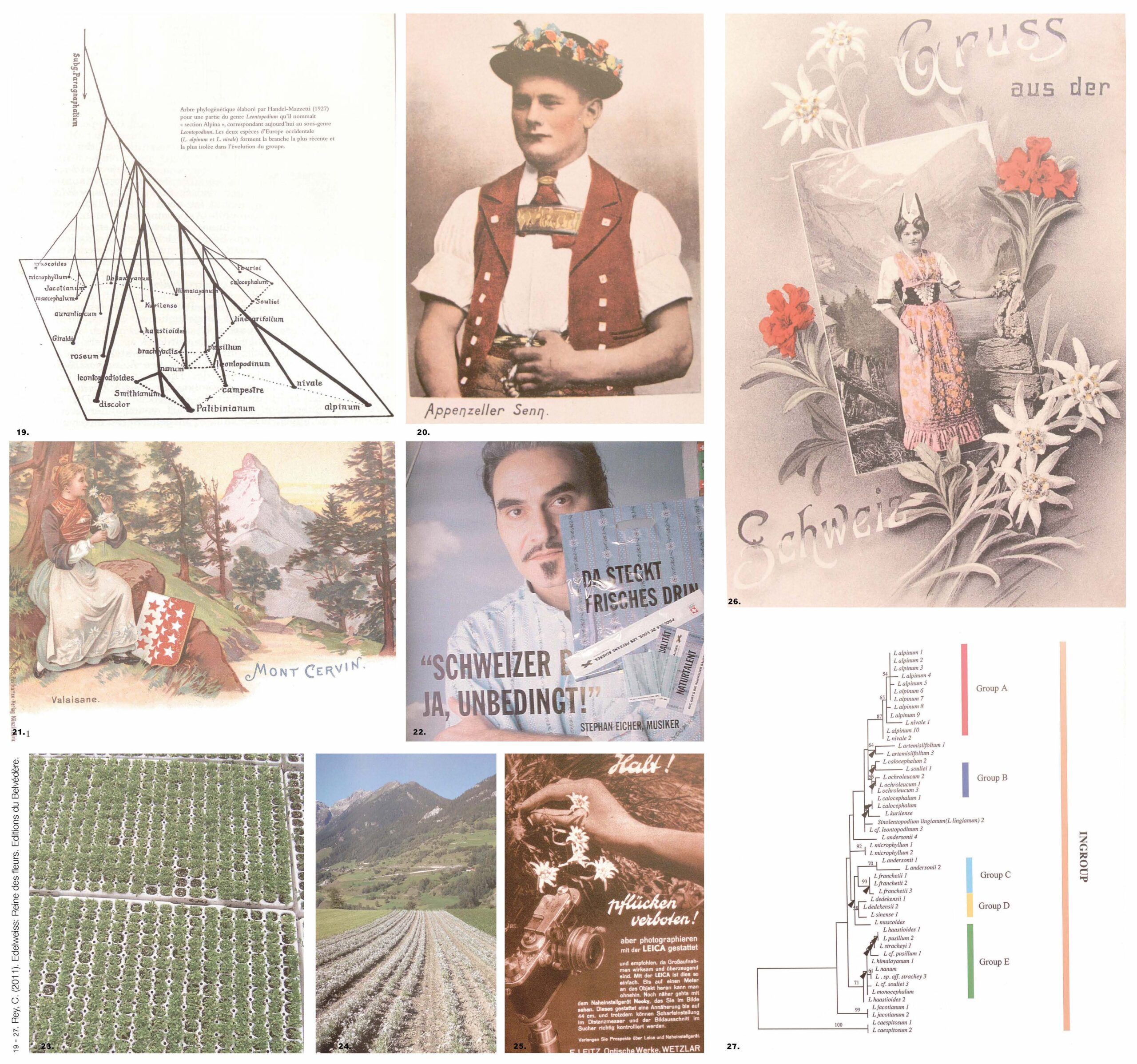
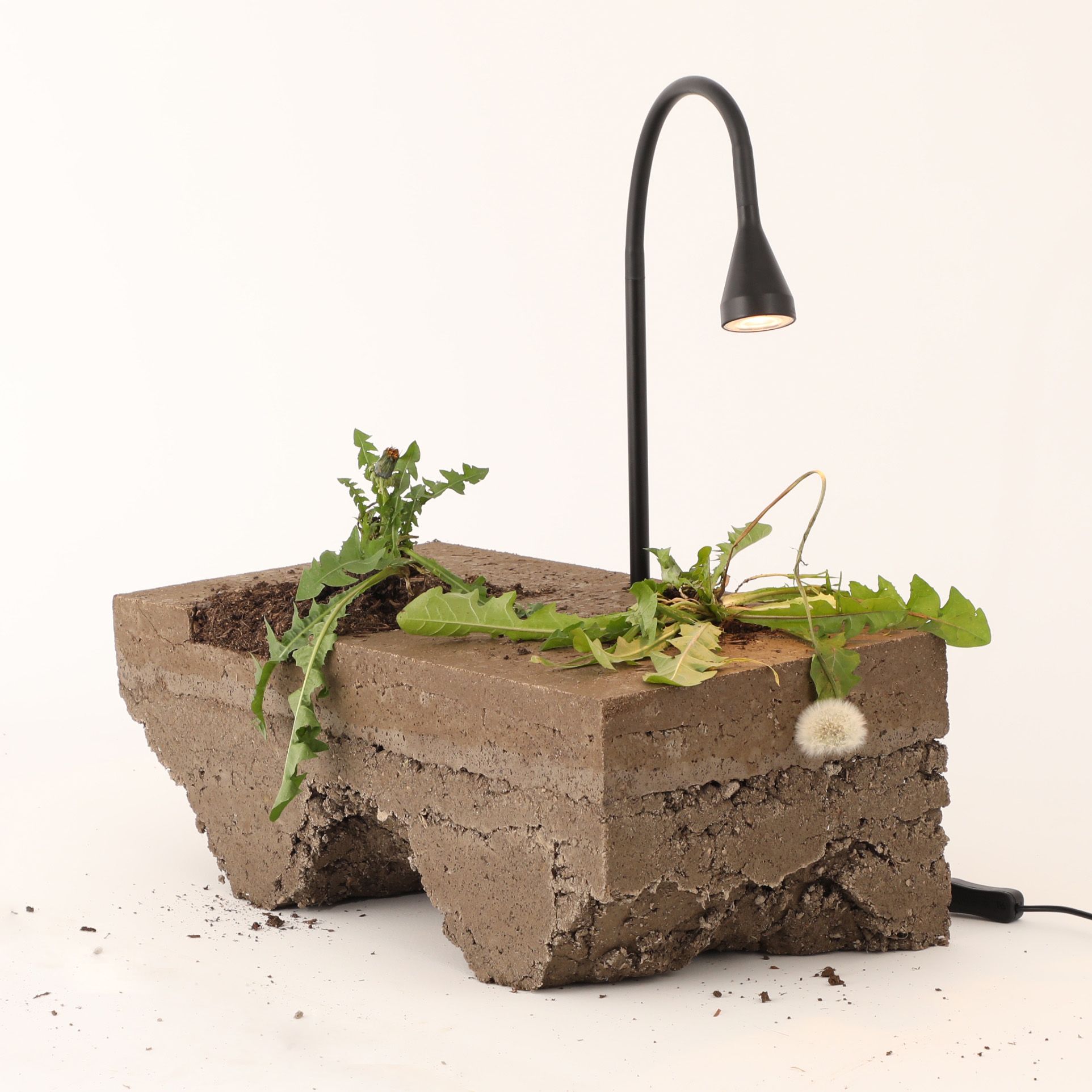
A commodity, a marker of colonial power, a sign of wealth or status, a soft counterpoint to the germophobic modernist home. A commercial strategy to attract consumers, a metaphor for a broken relationship with our surroundings, a symbol of a domesticated planet, or of a lost Eden. An emblem of domesticity and care for the household, a representation of a forgotten – or imagined – relationship with the non-human world. An approximation of the garden one can’t afford to own, or would have no time to maintain.
Over the past five thousand years, indoor plants have covered a spectrum of roles and conveyed a contradictory variety of meanings. Within commercial or sacred spaces, from medicinal to decorative selections, cared for like important guests from a faraway land, or left in a corner, dusty and in need of attention, hosted in temples and corporate lobbies, in extravagant conservatories and tiny flats, plants have been our flatmates.
Today’s collections of moth orchids (Phalaenopsis), Swiss-cheese plants (Monstera deliciosa), or rubber figs (Ficus elastica) made their way to Western households a few centuries ago, as they left the care and taxonomical scope of botanical gardens and conservatories. They have since been selected through commerce for their capacity to thrive, or, at least, survive, in the harshest conditions – within polluted, dark, dry, or overheated rooms, subject to forgetful owners and irregular, man-made, mood-determined, weather patterns.
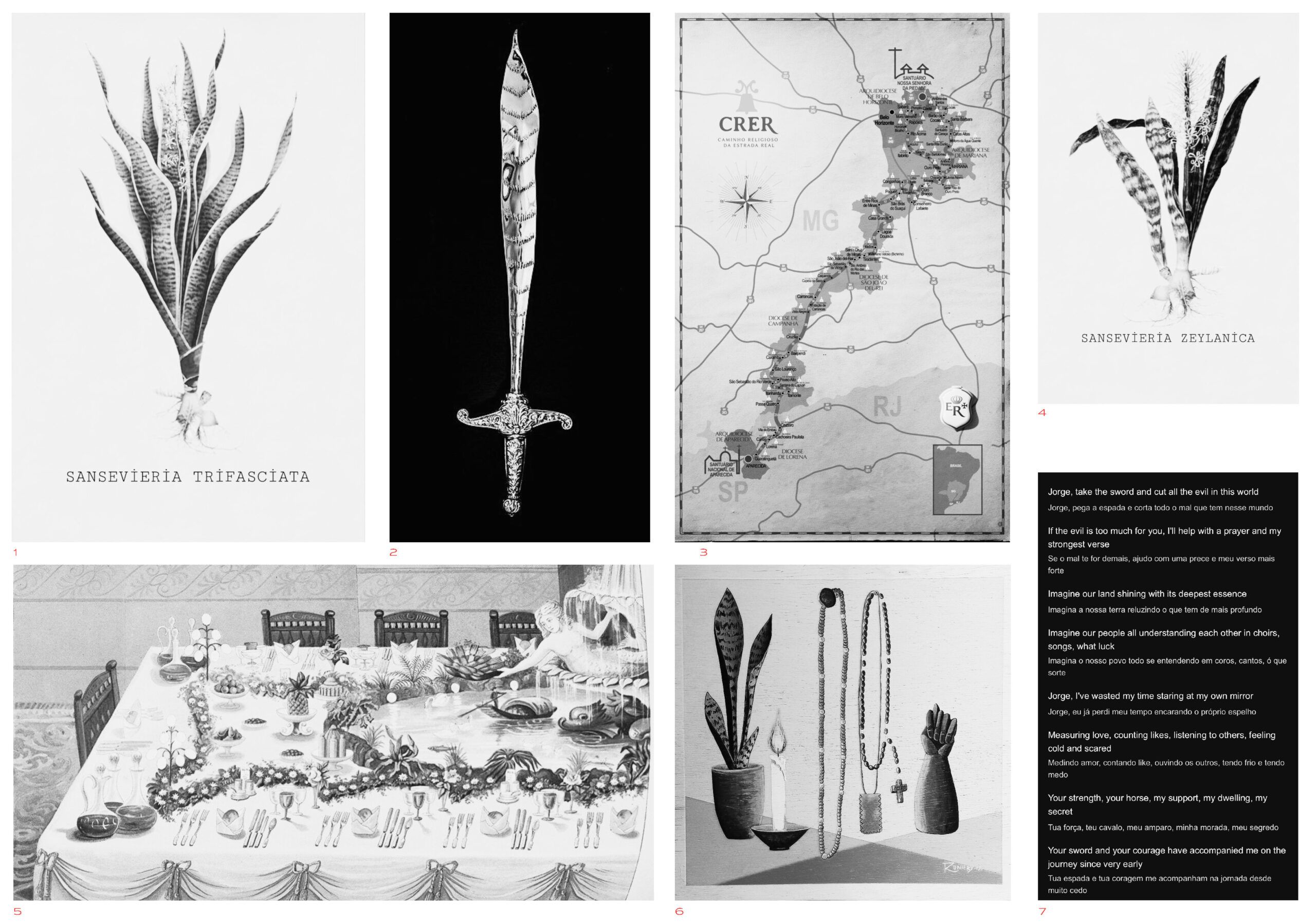
Although absent in the grand histories of architecture, houseplants are, within the home, the living connection with our planet’s air and soil, with everything that changes, moves, and transforms beyond our walls. Our first buildings were made of their bodies, and even the most modest snake plant (Dracaena trifasciata), forgotten on a shelf, purchased for a few francs, connects us to the sun and the earth. Within a room, we share intimacy with plants as individuals: at night, asleep, we breathe their body, as the oxygen their metabolism produced enters our own.
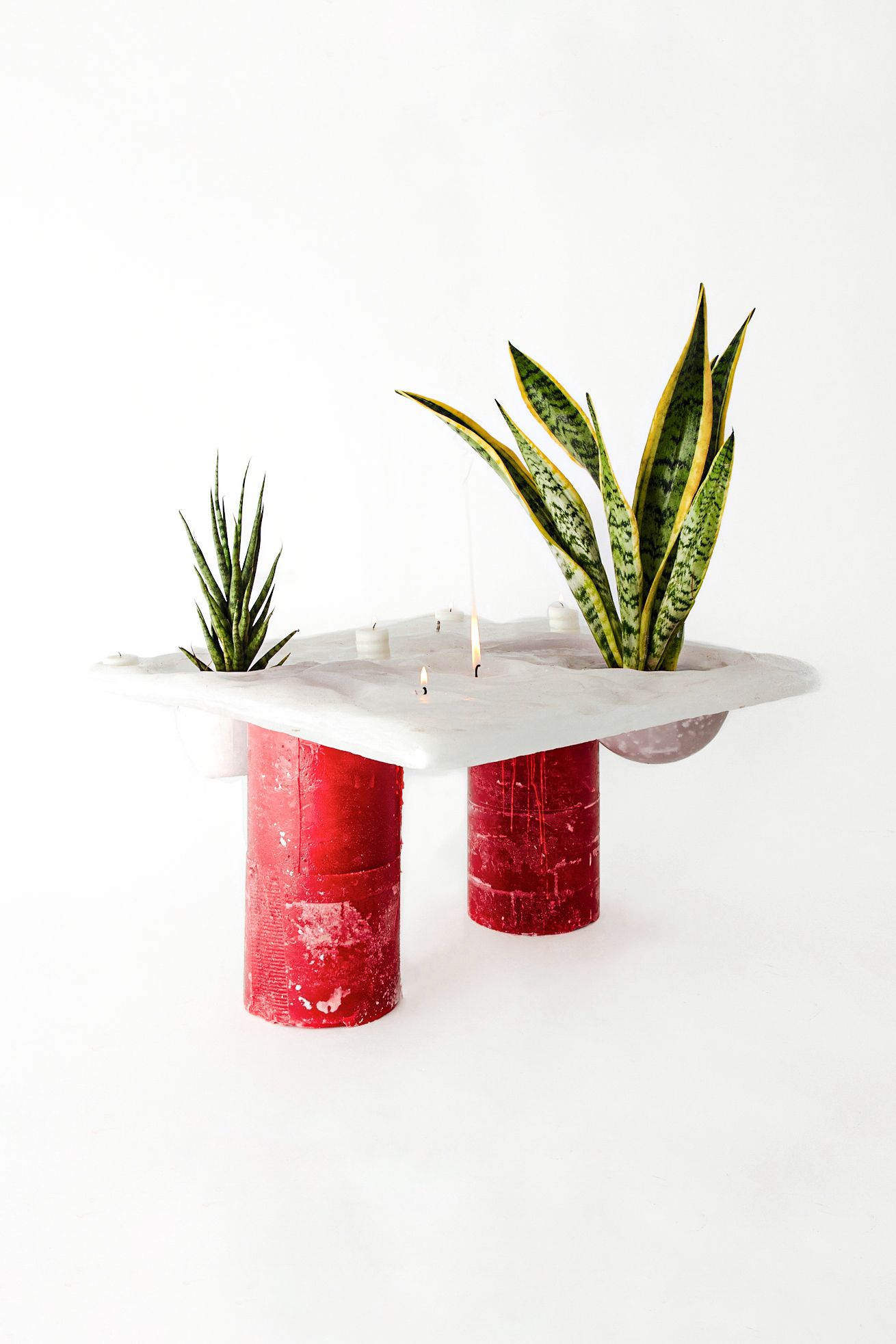
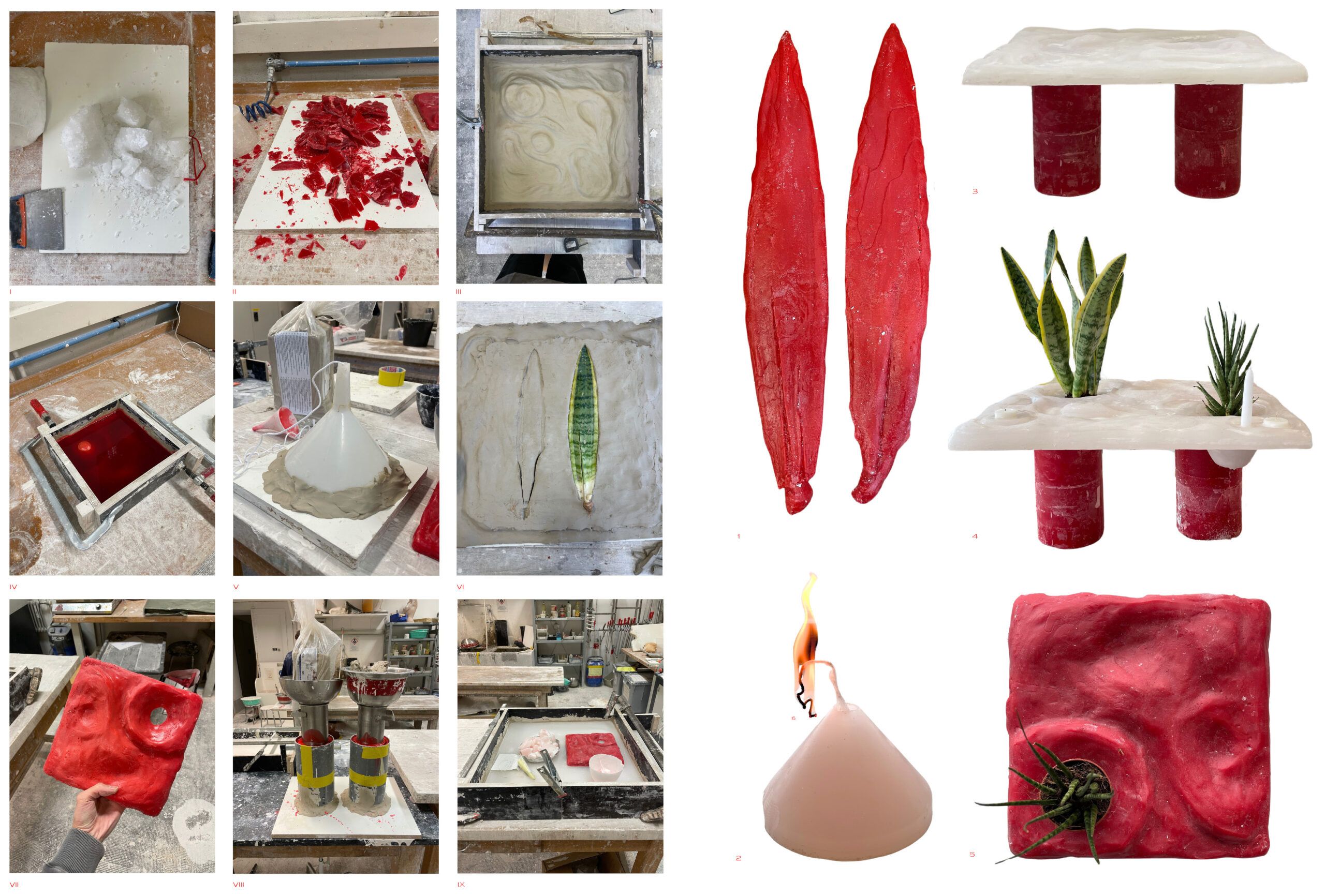
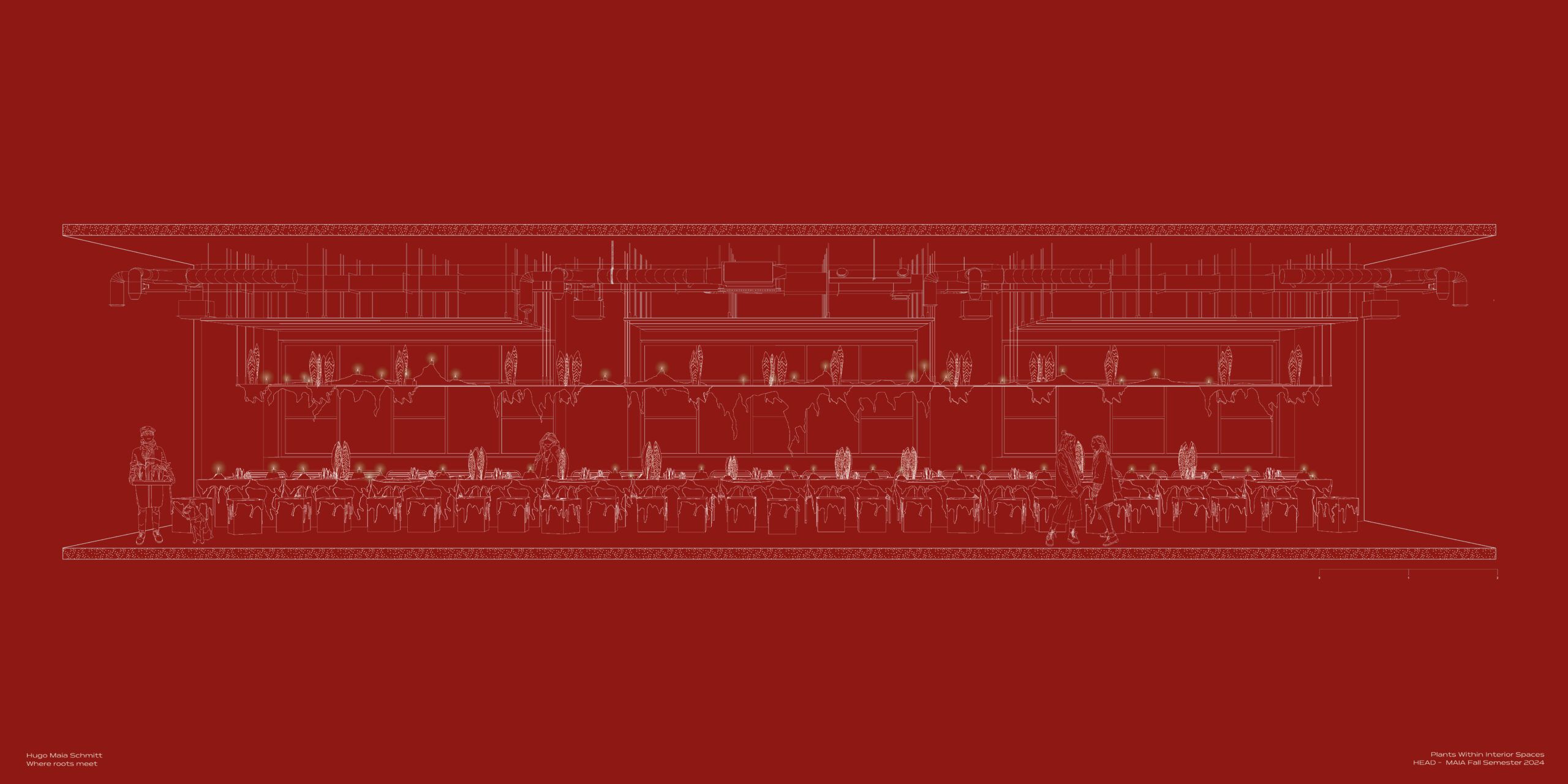
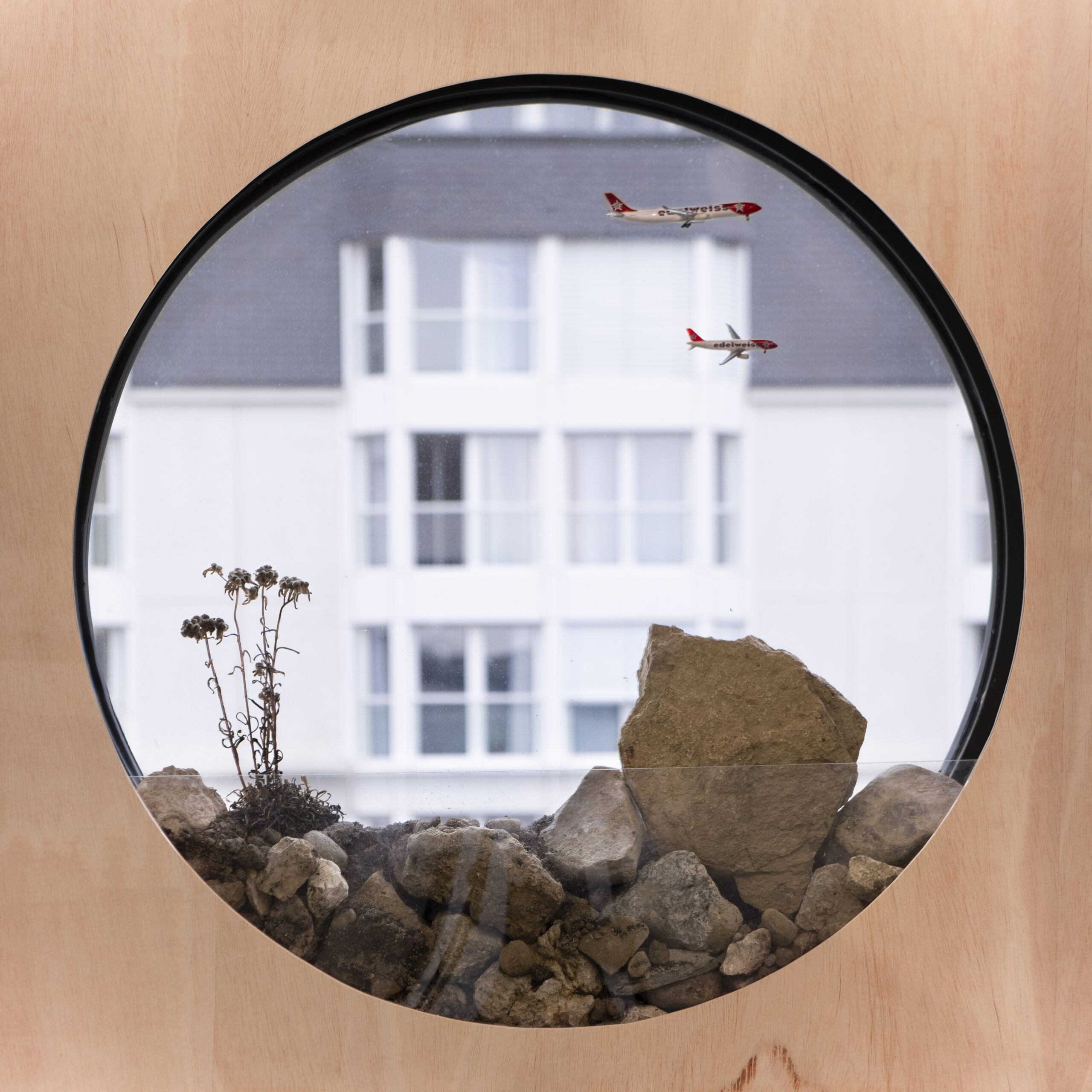
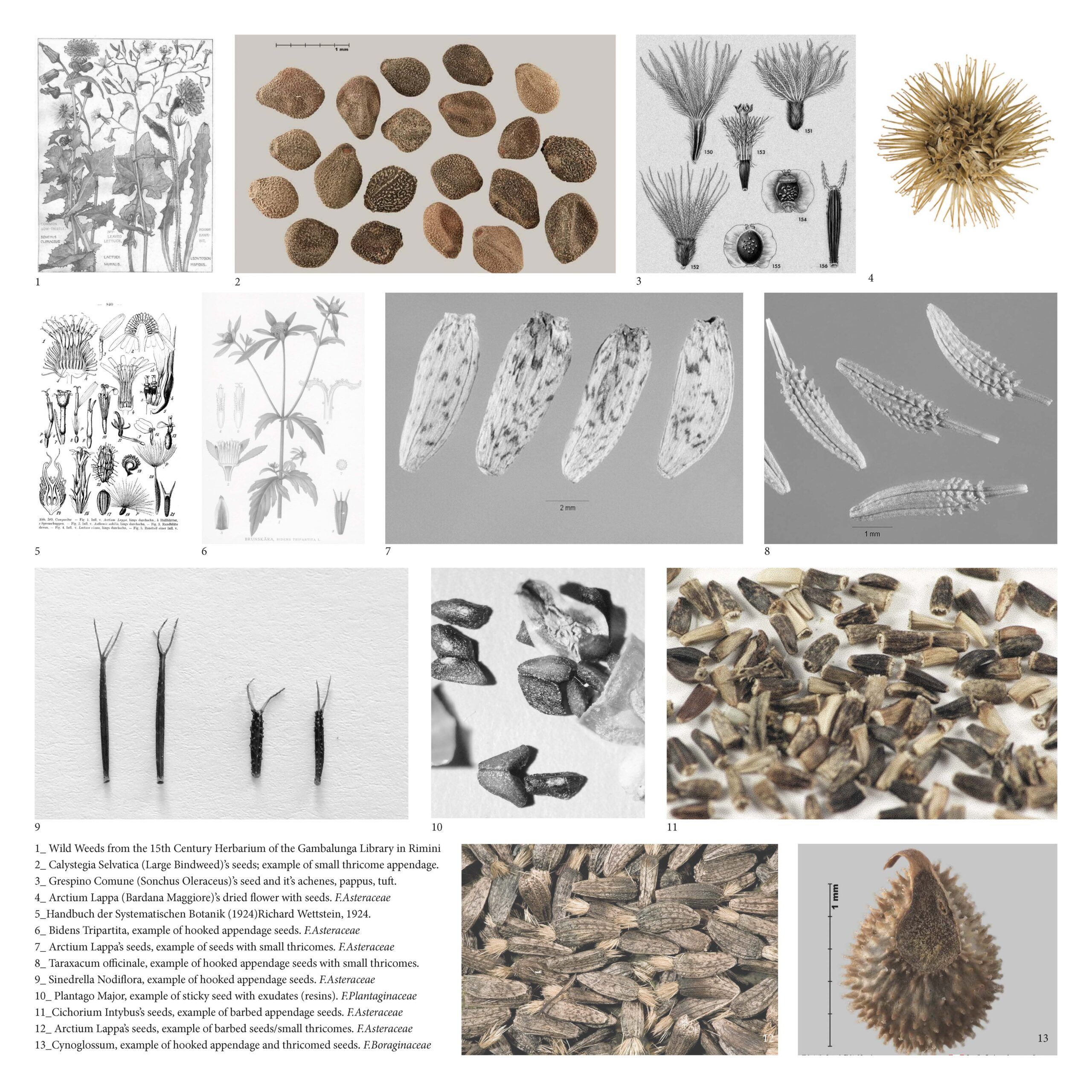
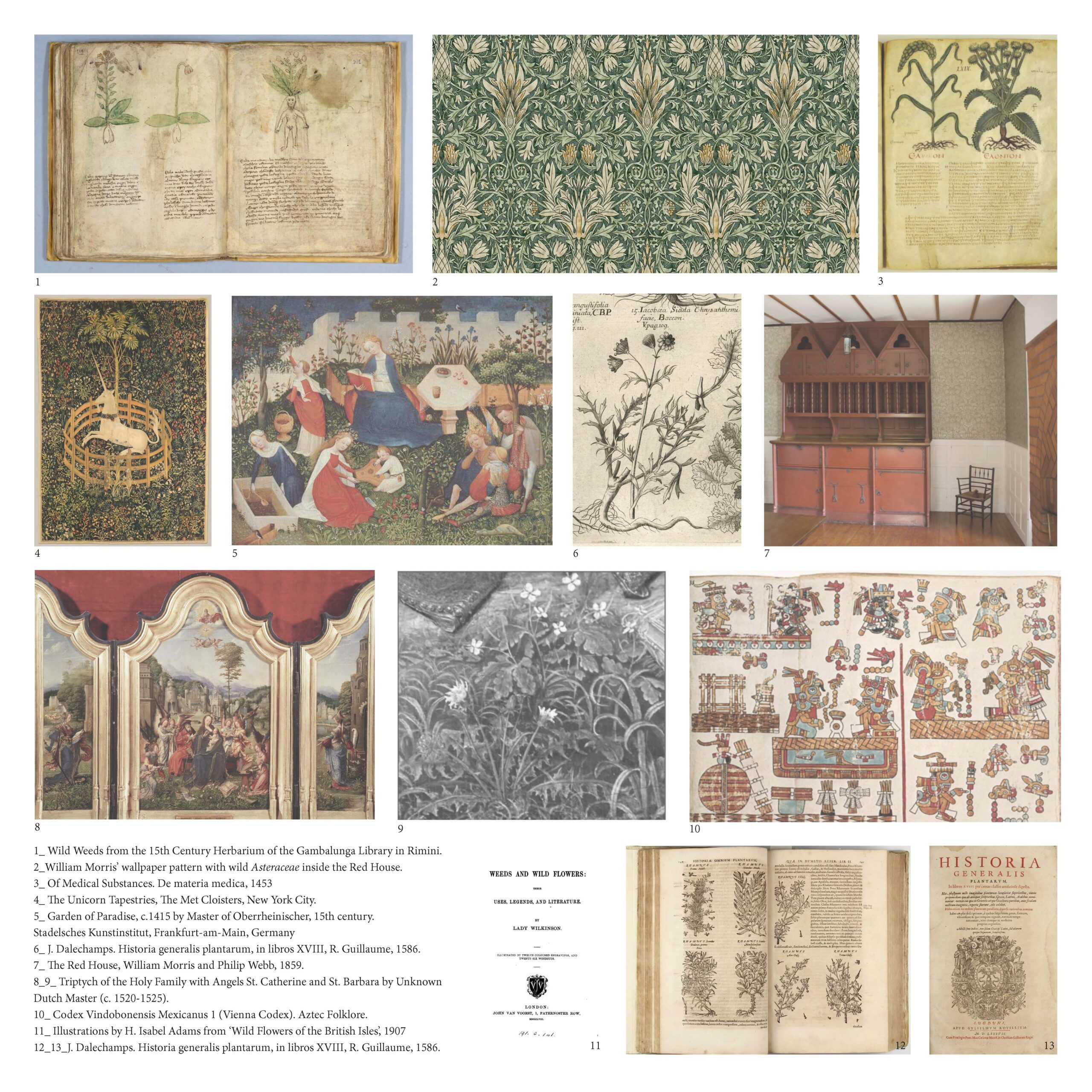
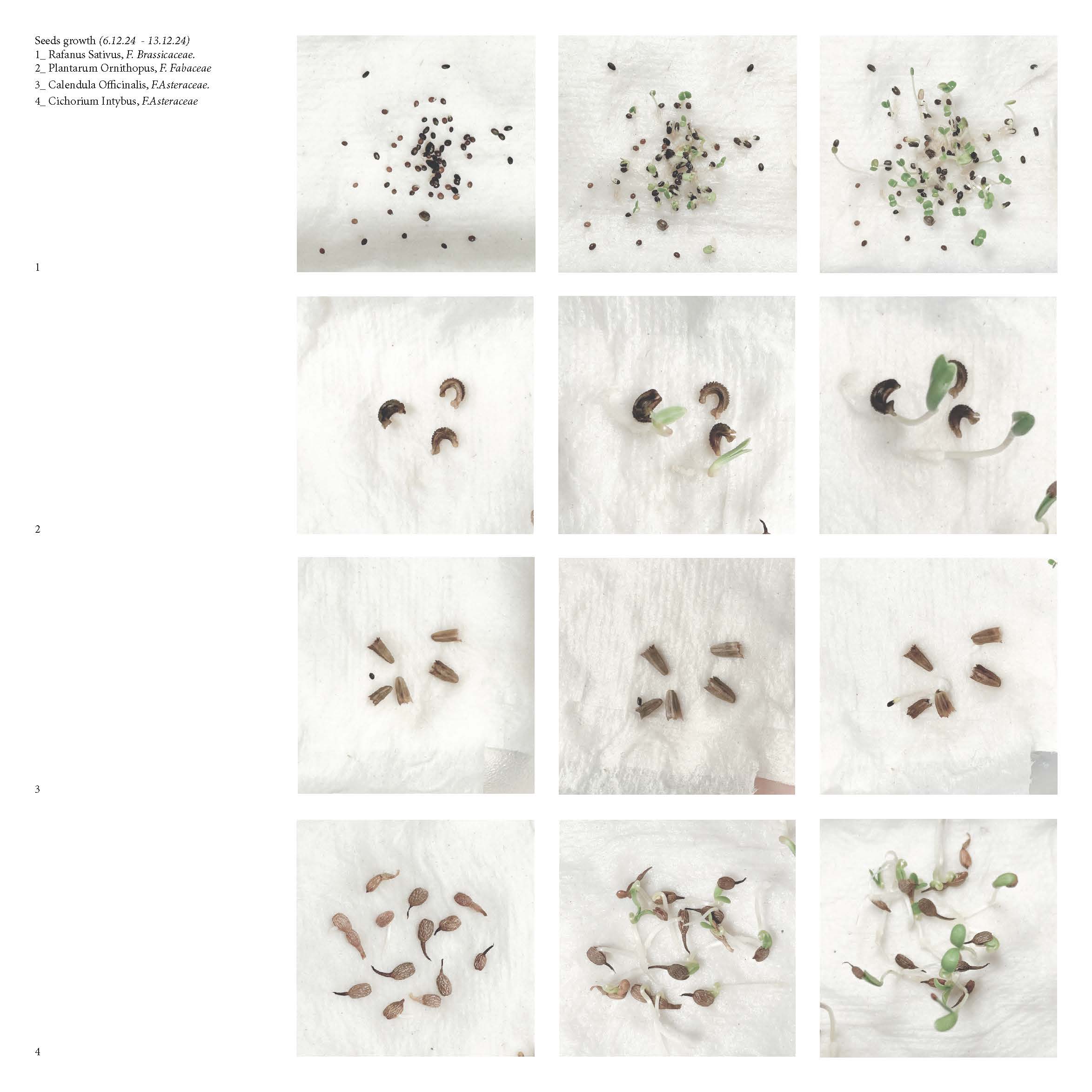
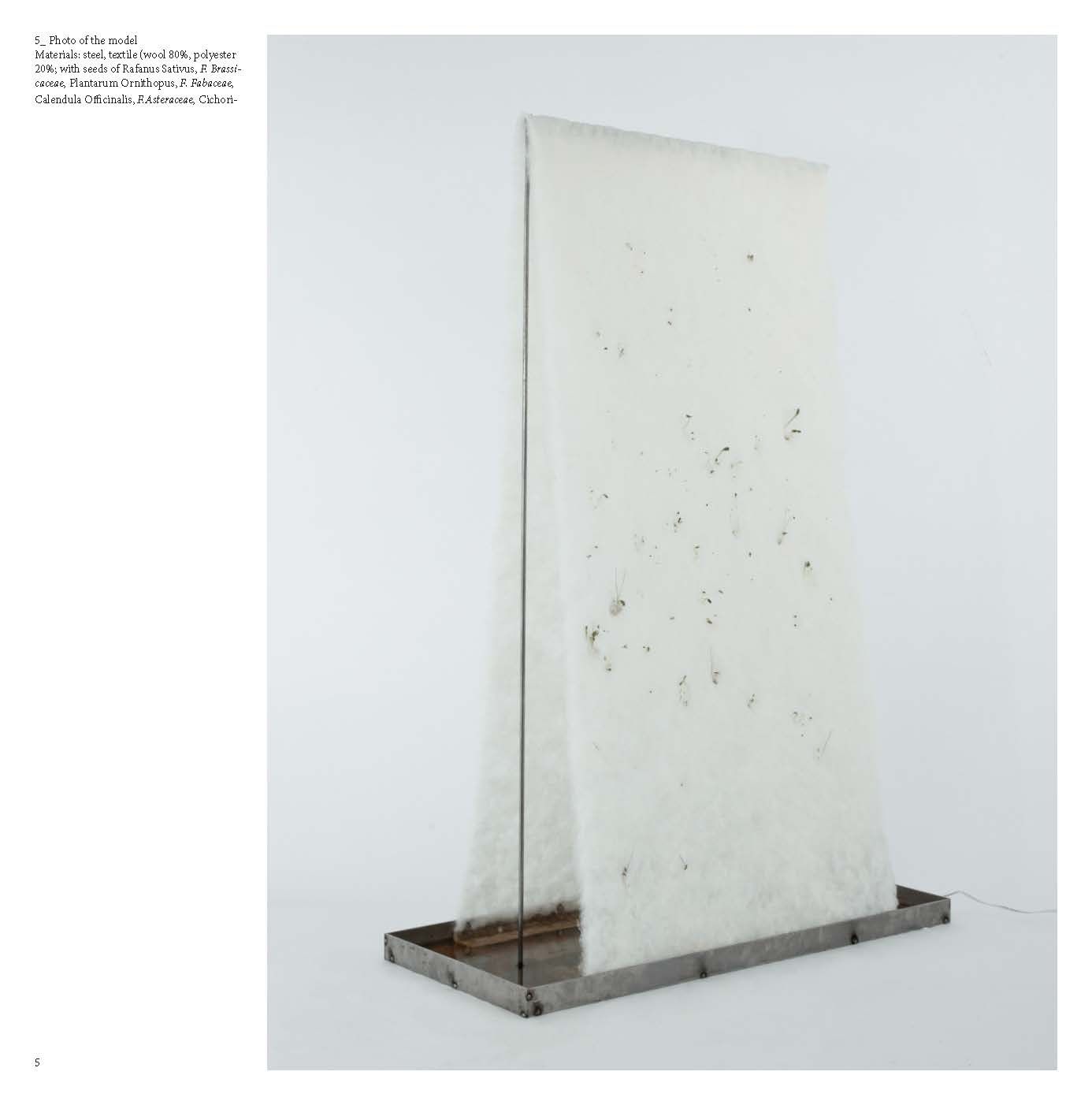
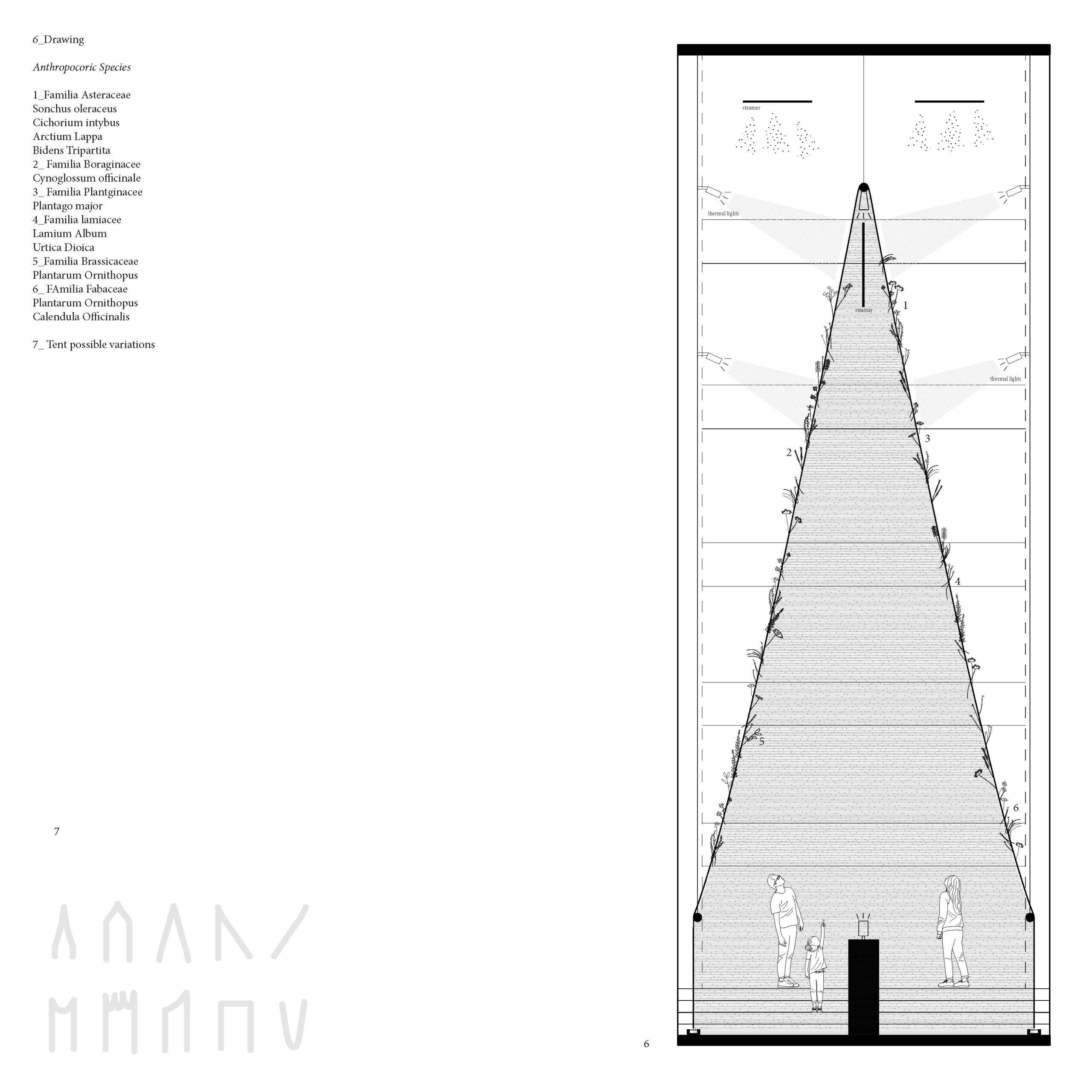
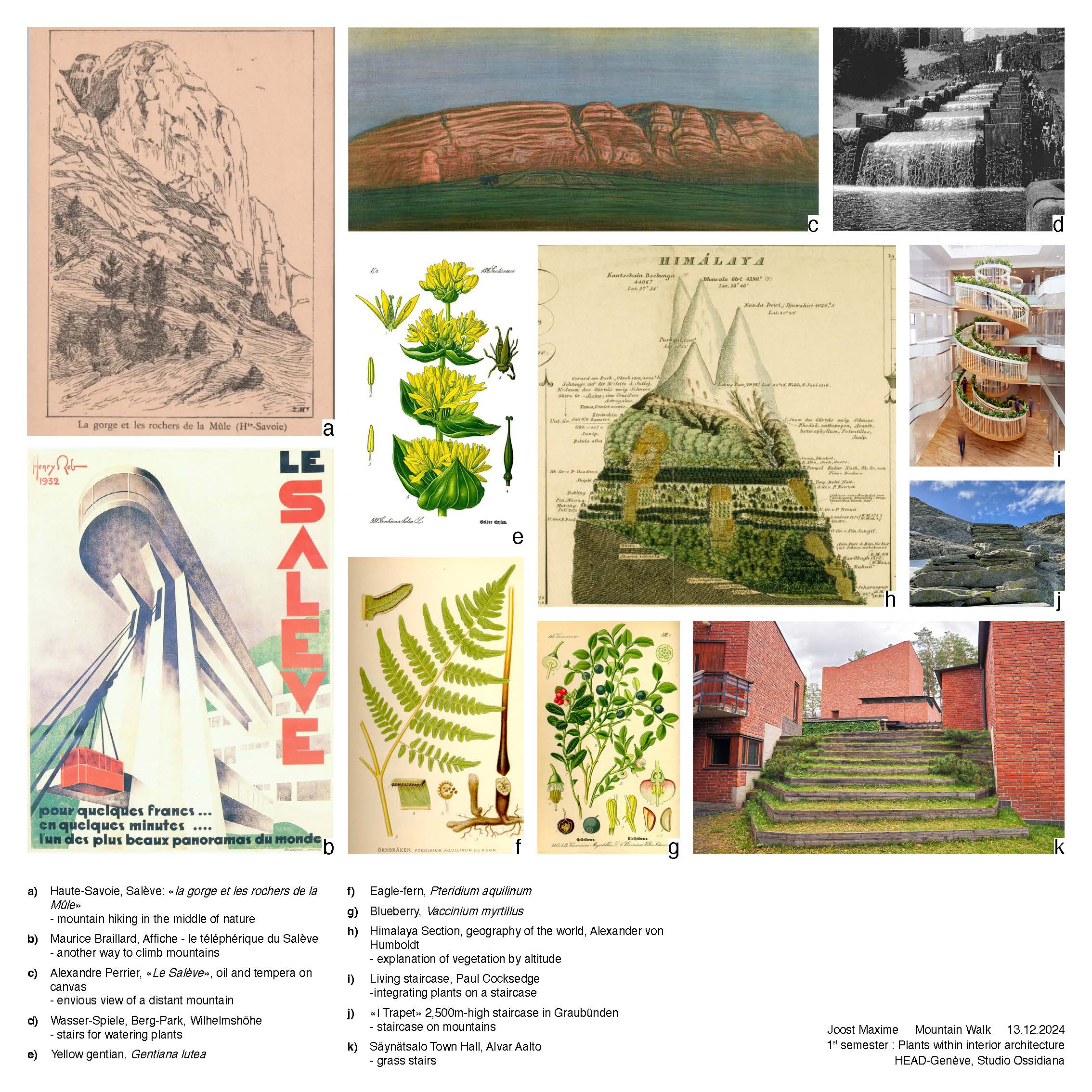
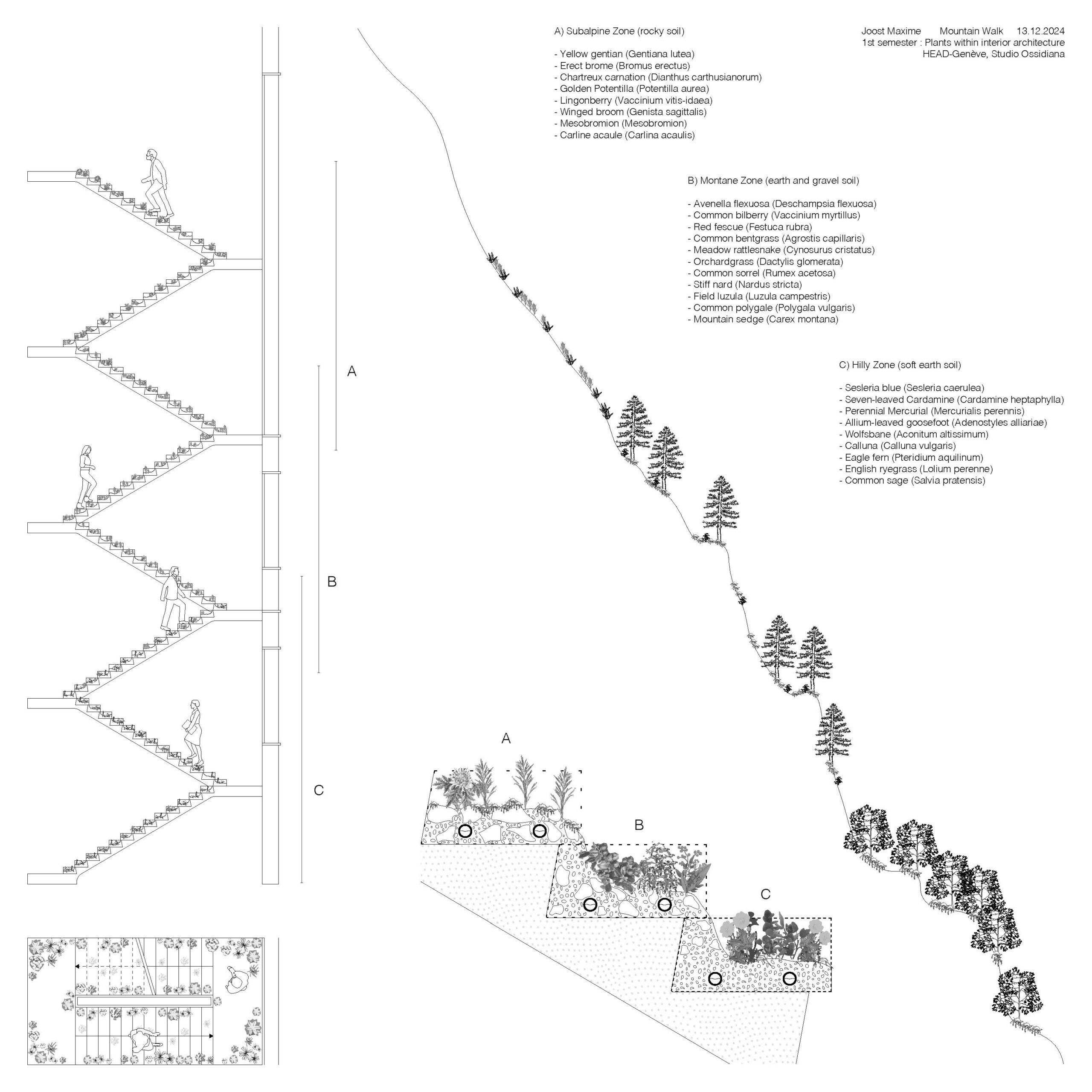
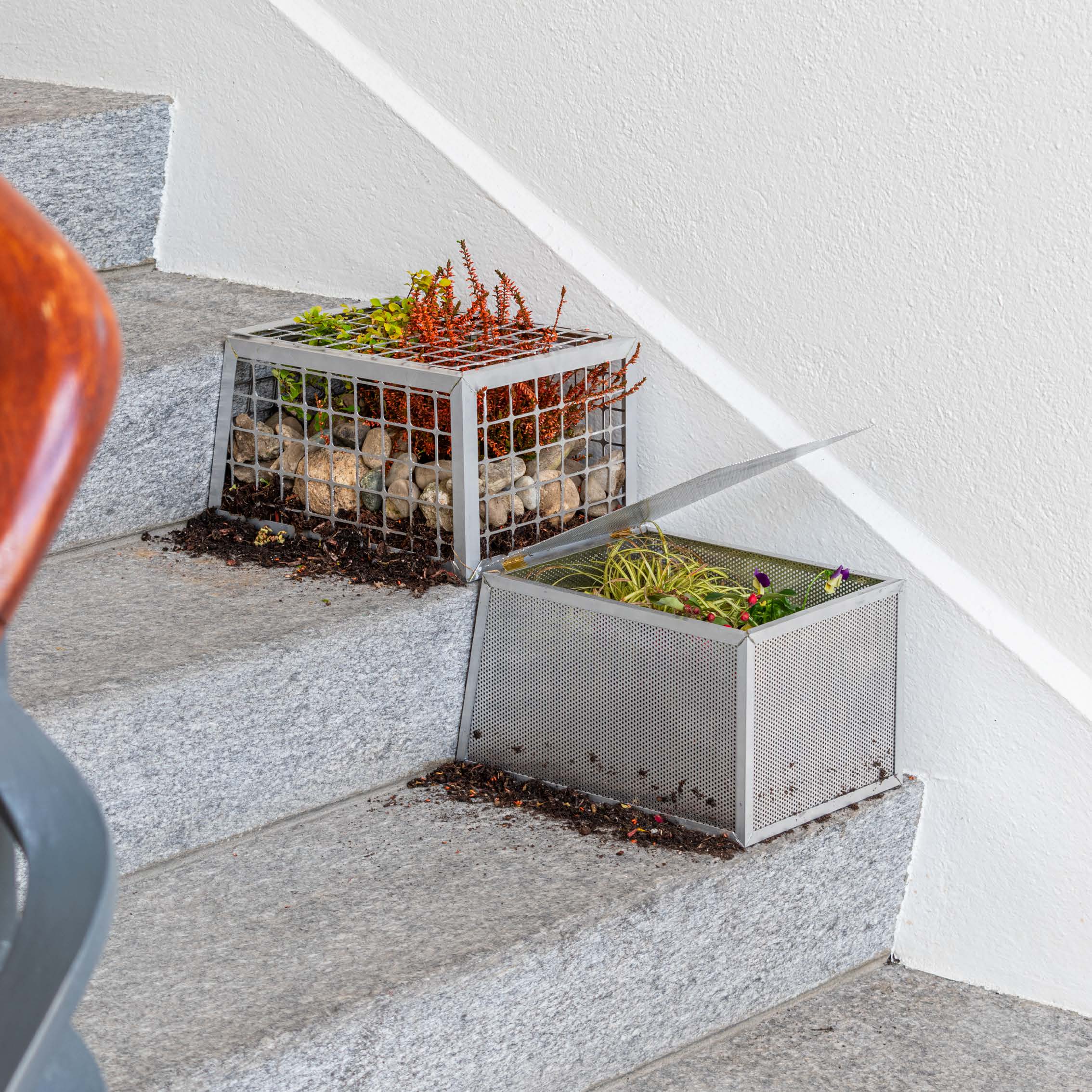
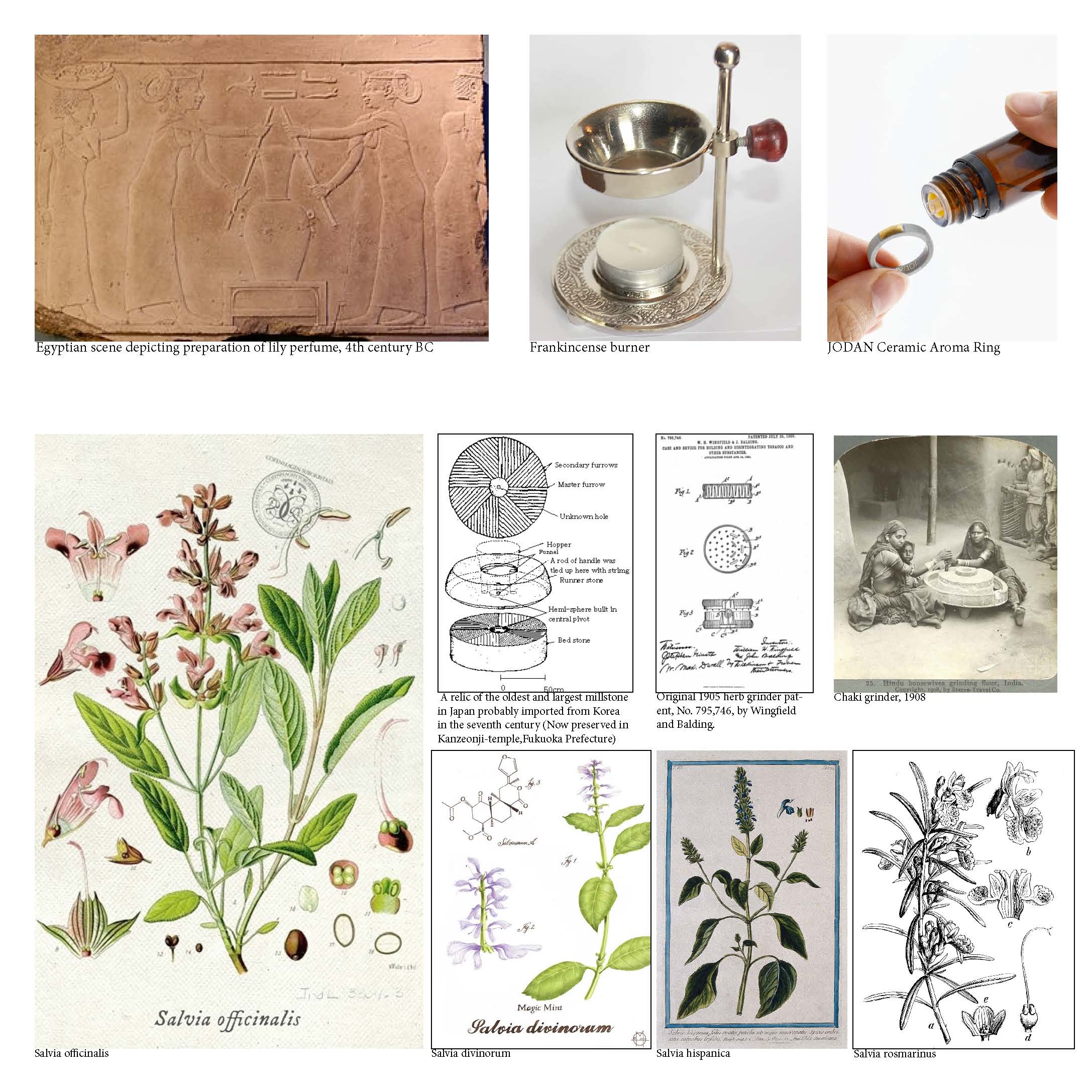
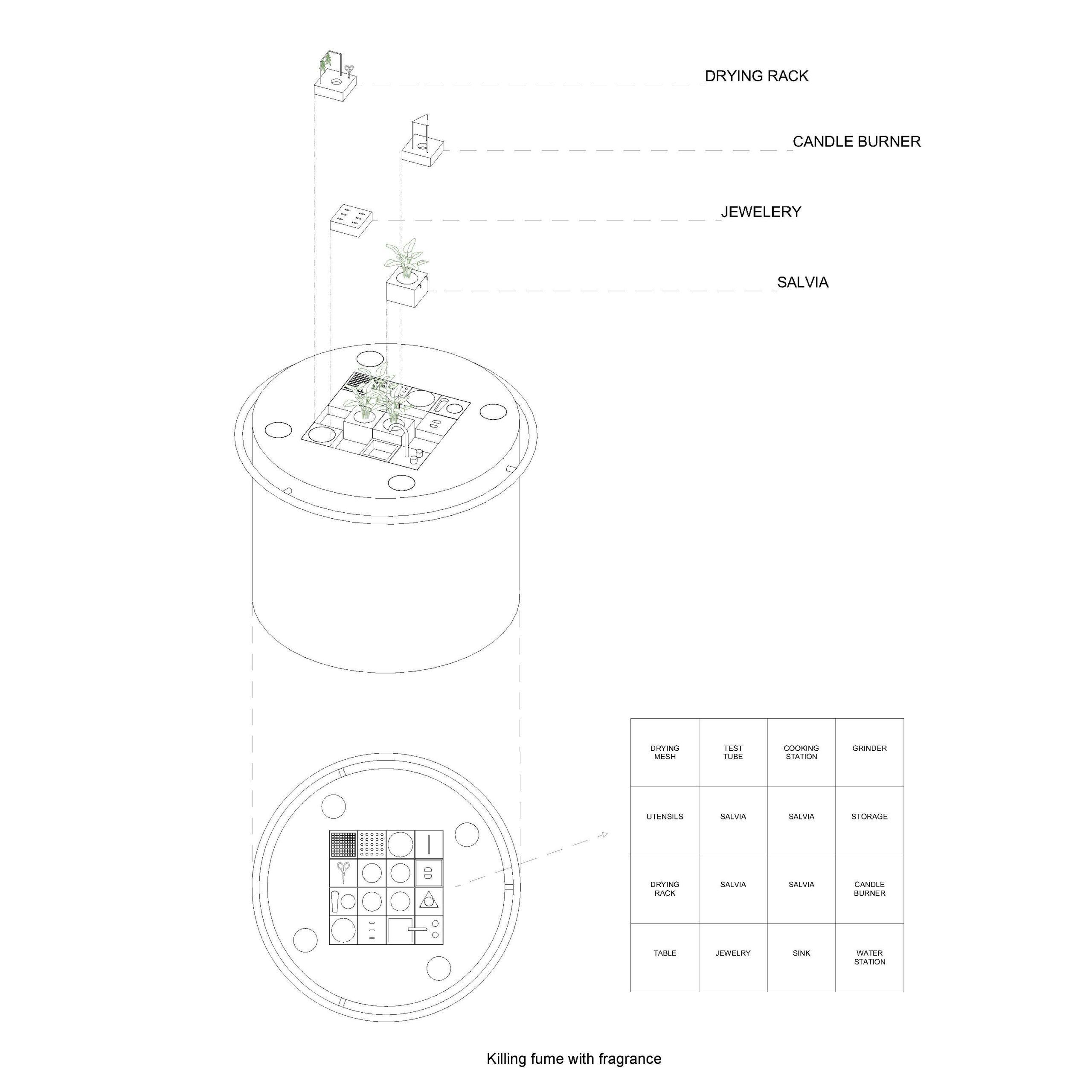
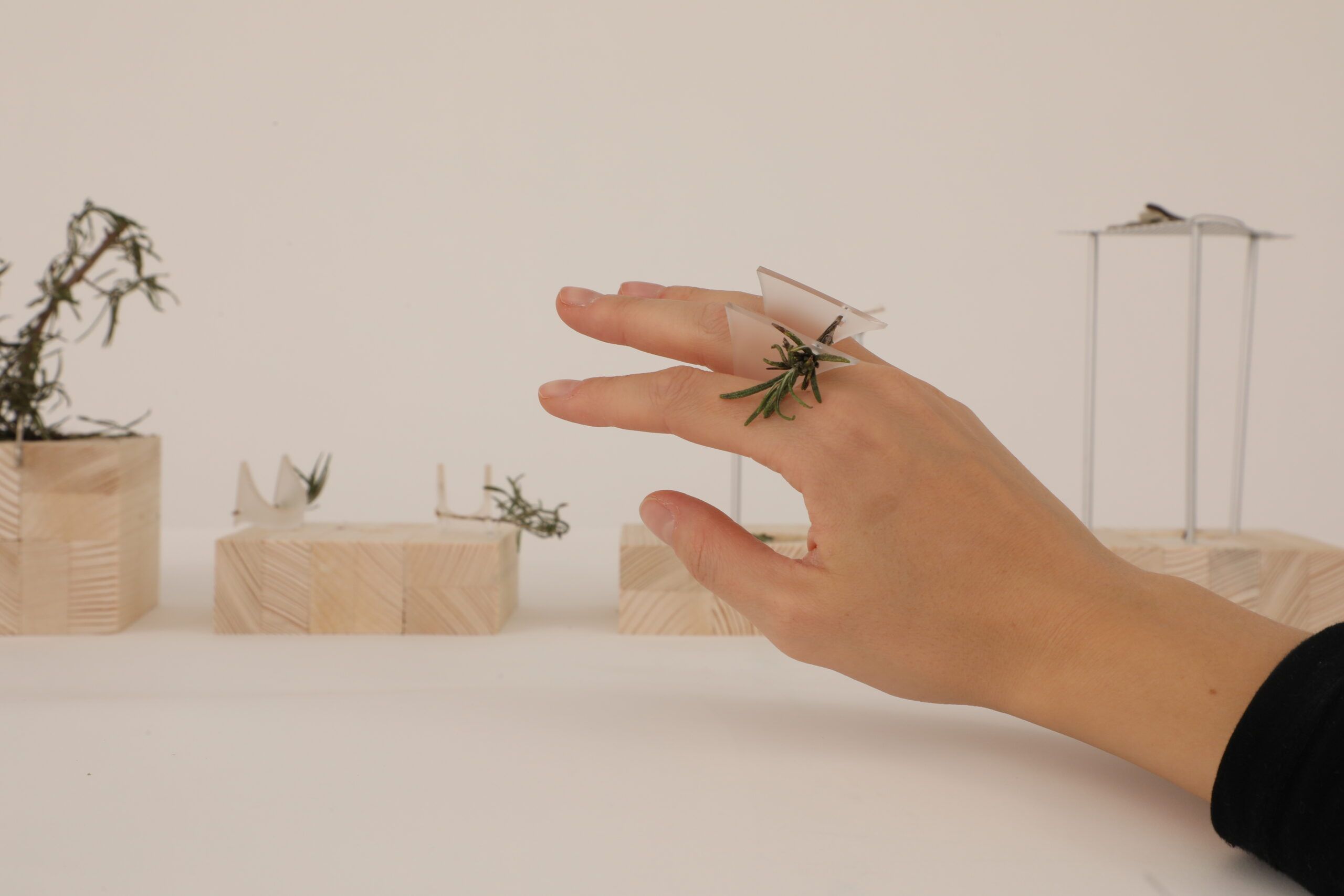
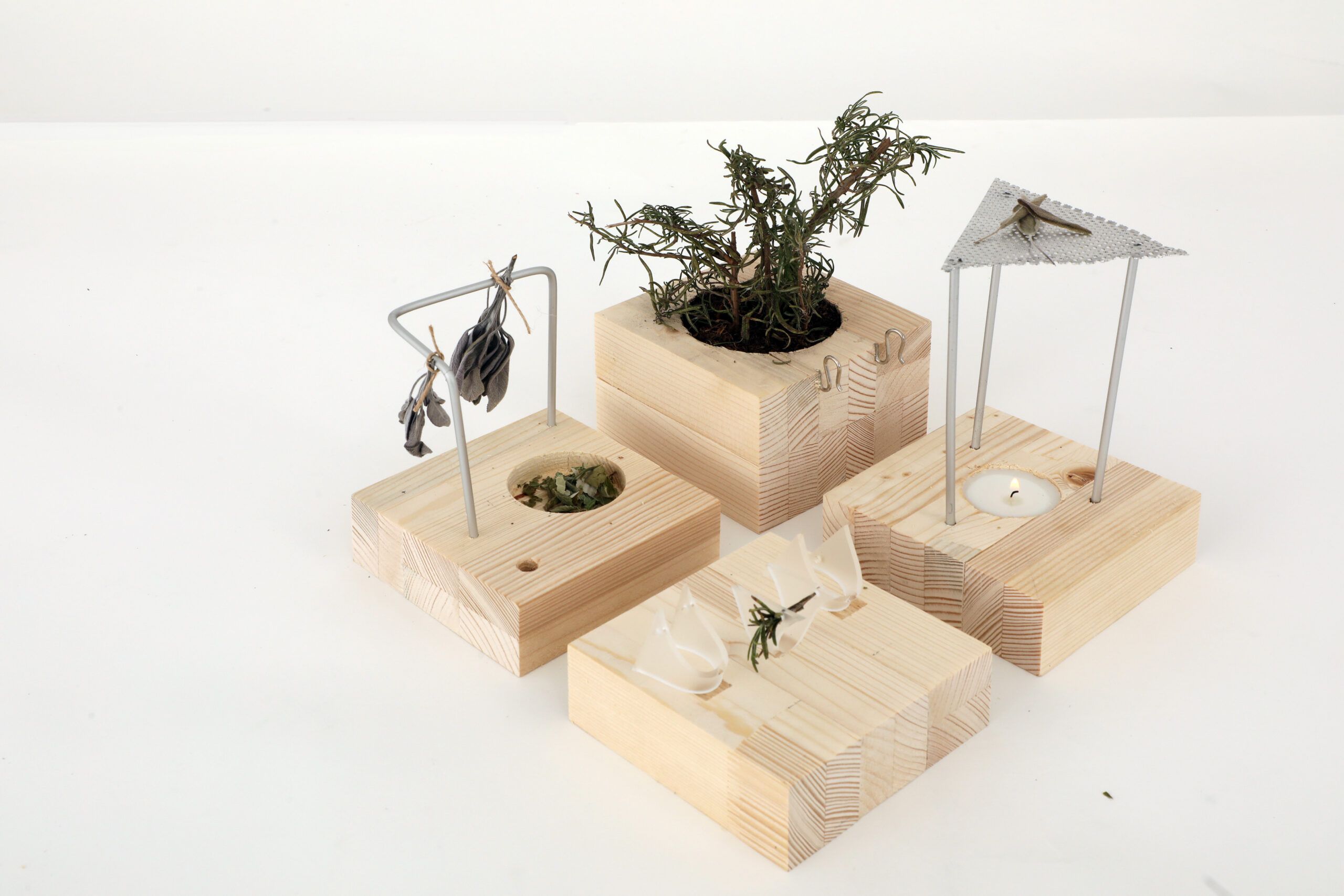
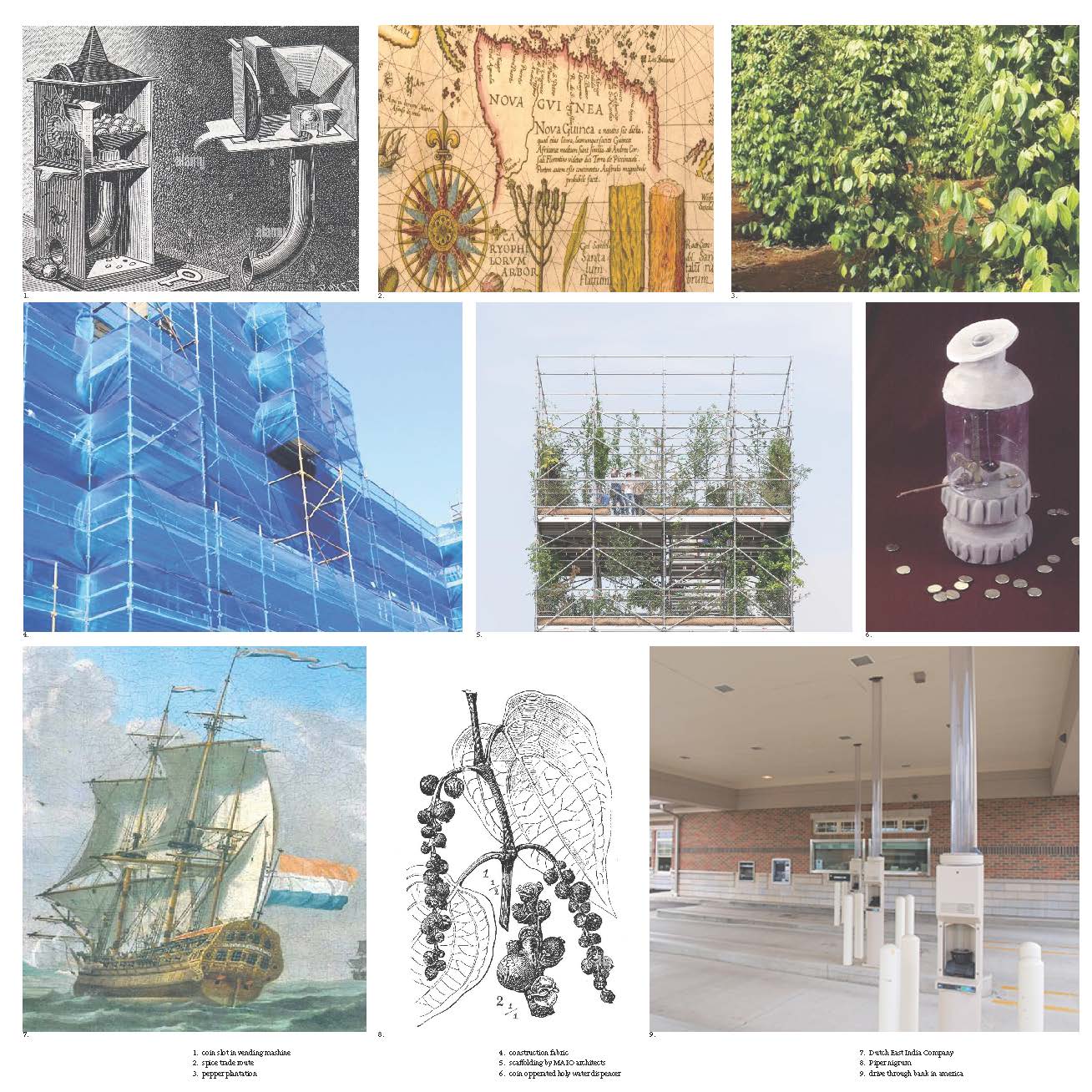
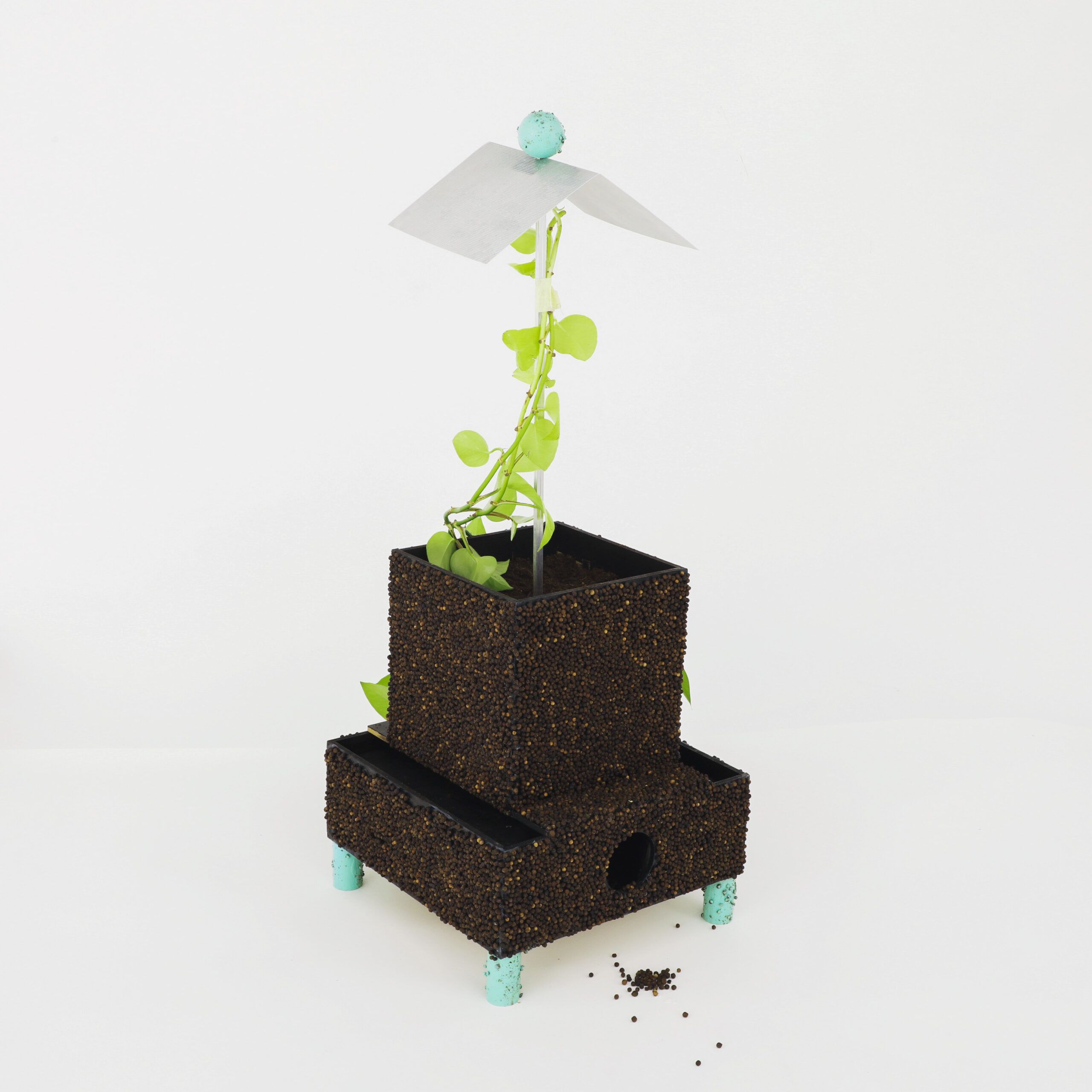
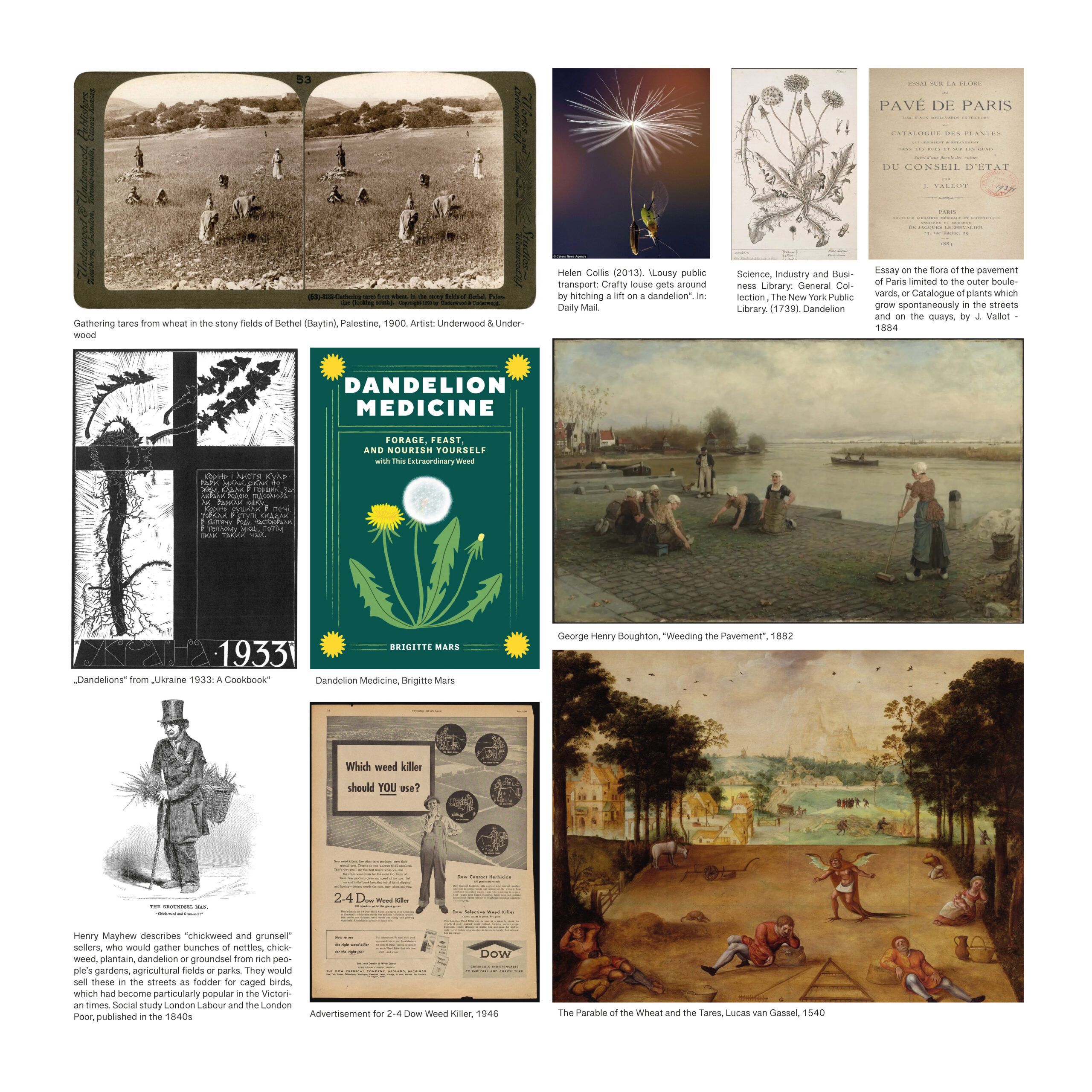
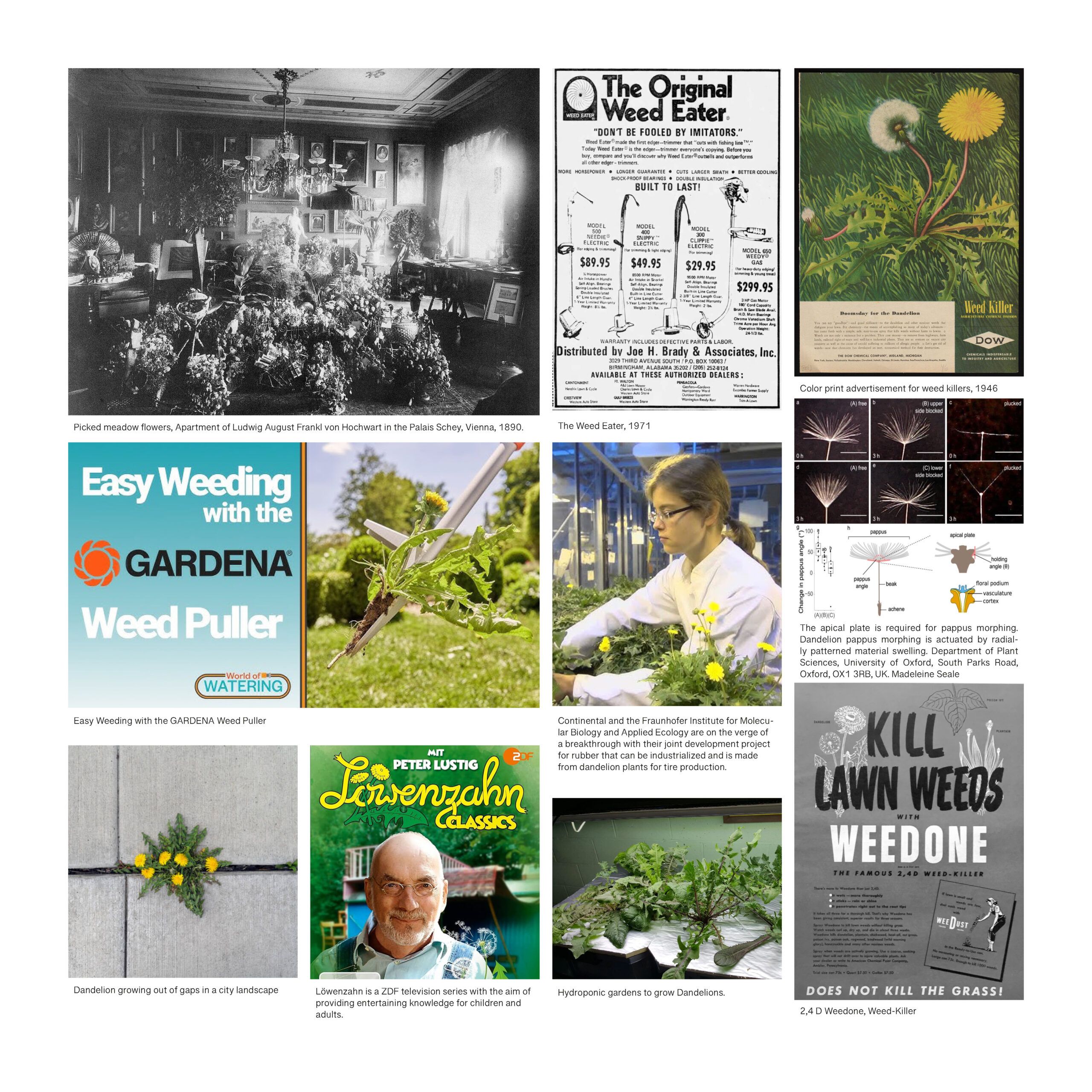
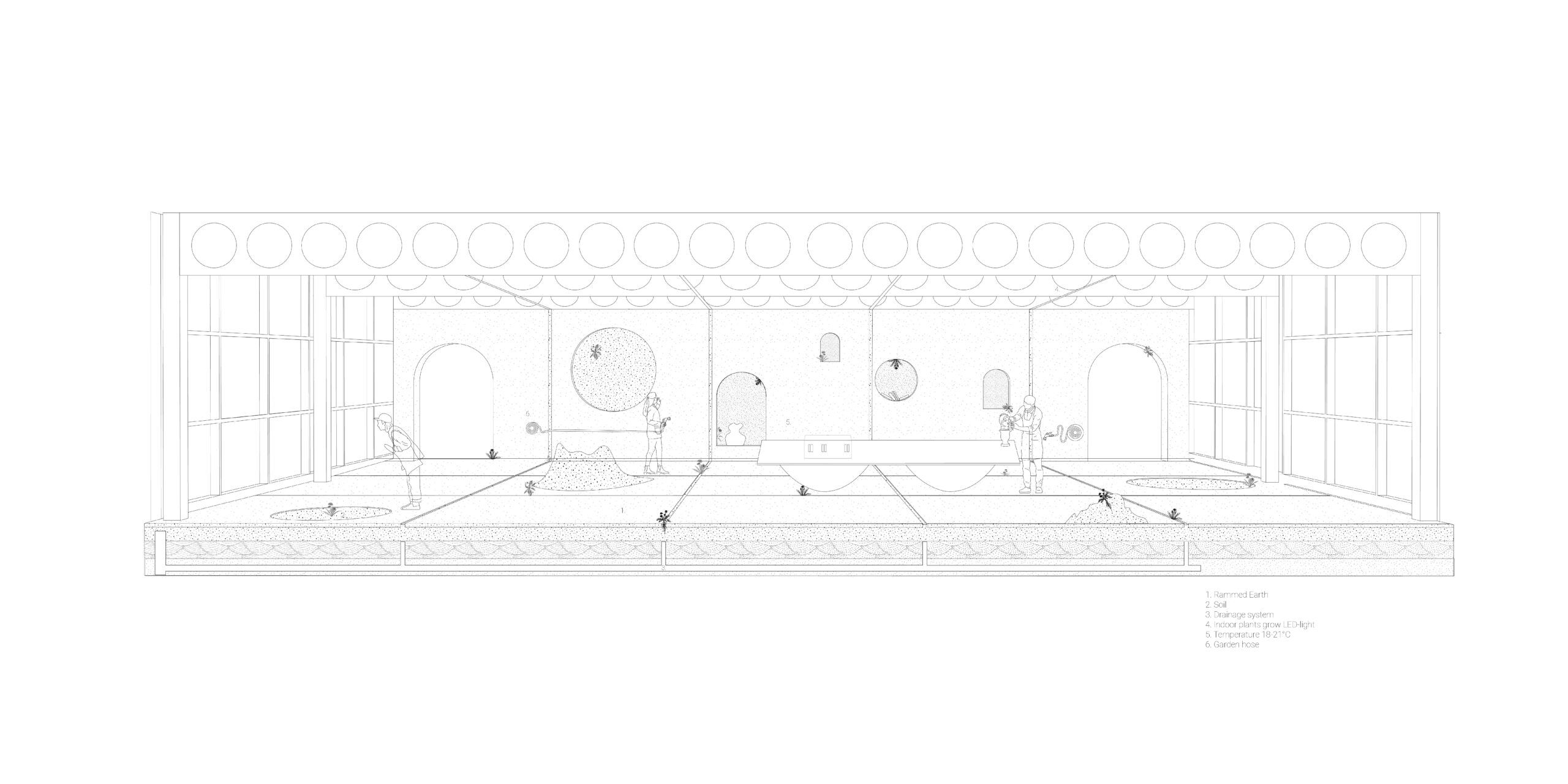
This studio was dedicated to the design of a room for people and plants. The student projects explored the dynamic relationship between plants, culture, and architecture by transforming everyday spaces to reflect the symbolic, historical, and ecological roles of plants. The interventions ranged from creating communal areas that foster connection, to critiquing capitalism by reinterpreting plants as symbols of value and exchange. Some projects explored the representation of plant species across ecological zones, while others celebrated the medicinal qualities of certain species or challenged negative perceptions. Through these interventions, students explored the impact of plants in both architectural and social contexts, as well as their potential to serve as symbols, sources of resilience, and agents of change.
Workshop Tutors: Studio Ossidiana
Karol Szmigielski, Lisa Schober, Mariannina Thielemans, Kim Schönauer, Lina Zoe Laube, Hugo Maia Schmitt, Ailyn Pieyre, Célestine Potin, Martino De Grandis, Maxime Joost, Letizia Milone
© HEAD – Genève